Patient guide
Veneers vs Composite Bonding: Which Should You Choose?
Choose composite bonding for small changes, such as a chip, a gap or a worn edge: it usually removes no enamel, is often done in one visit and lasts about three to 10 years. Choose porcelain veneers for larger changes in colour and shape: they need some enamel removed, but resist staining better and last longer.
Published by Vita Smile Dental Clinic Sources (7)
Key takeaways
- Bonding usually needs no enamel removal and can be undone; porcelain veneers need some enamel removed, so they are not reversible [1][5].
- Bonding typically lasts three to 10 years before a touch-up [5]; an estimated 95.5% of porcelain veneers were still in place after 10 years [3].
- Composite stains and loses its shine more easily than porcelain, but it is easier to repair [1][6].
- Bonding is often done in one visit; porcelain veneers need at least two [2][5].

Clinically reviewed by
Prosthodontics & Aesthetic Dentistry · Restorative Dental Care
The basics
What is the difference between veneers and bonding?
Both treatments change how your front teeth look, but they work in different ways.
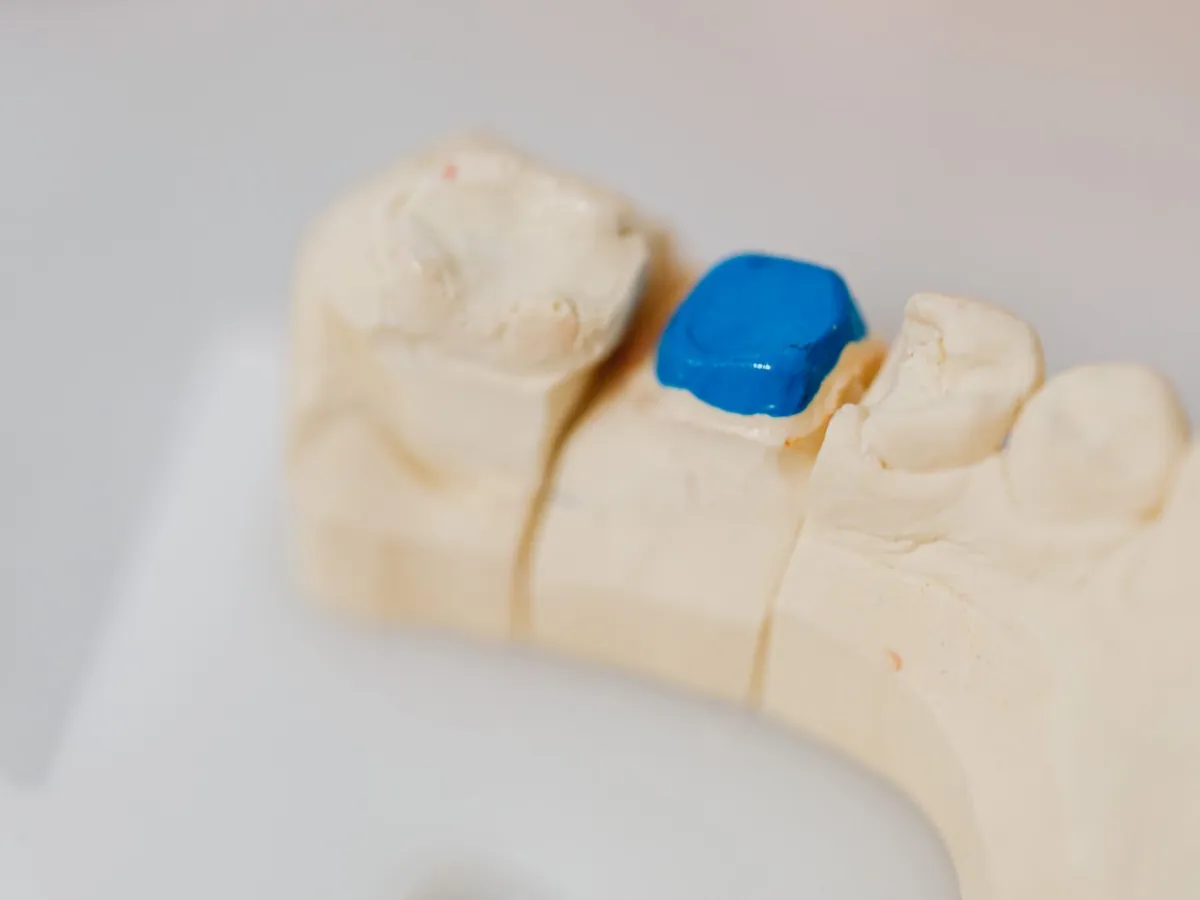
- Composite bondingYour dentist adds tooth-coloured composite resin directly to the tooth, shapes it by hand and hardens it with a light [5]. It is used to repair chips, close small gaps, rebuild worn edges and change the shape of a tooth, often with minimal, if any, removal of natural tooth [5][6].
- Porcelain veneersThin shells made in a dental laboratory and bonded to the front of the teeth, much like a false nail over a natural one [2]. A veneer covers the whole front surface, so it sets the colour, shape and length you see [1].
There is a middle option: composite veneers, where composite covers the whole front surface of the tooth. They may need less enamel removed and fewer visits than porcelain and are easier to fix, but they resist staining and wear less well [1].
In short, bonding changes part of a tooth, while a veneer replaces its visible front. Our pages on composite bonding and dental veneers explain each treatment in full.
Your enamel
Enamel removal and reversibility
This is often the deciding point.
Bonding typically does not require enamel removal [5]. Because the composite is added on top of the tooth, the treatment is usually described as reversible [5].
Porcelain veneers need a small amount of enamel removed from the front of the tooth, so the treatment cannot be reversed [1]. Once a tooth has been prepared, it will always need a covering of some kind [1].
If keeping your natural enamel matters most to you, and the change you want is small, bonding is usually the gentler starting point. If the change is larger, removing a little enamel can be the price of a result that keeps its colour and shape for longer.
The evidence
How long does each last?
Bonding typically lasts three to 10 years before it needs touching up or replacing [5]. In a review of 17 studies of front-tooth composite restorations, annual failure rates ranged from 0 to 4.1%, and fracture was the most common reason for failure [7].
Porcelain veneers have a longer track record. A 2021 review of 25 studies estimated that 95.5% were still in place after 10 years [3]. Composite veneers have shorter follow-up: a 2023 review of 7 studies, with 24 to 97 months of follow-up, found that 88% were still in place in its randomised trials [4].
For both, habits matter. Teeth grinding was linked to a significantly higher veneer failure rate [3], and bonding may not suit people who grind or clench [6]. Our guide on how long veneers last covers the research in more detail.
Day to day
Staining, chipping and repairs
Staining: composite is more porous than enamel and picks up stains from coffee, tea, red wine, smoking and strongly coloured foods [6]. It does not resist stains as well as porcelain [5]. Its surface also gradually loses its shine, so it needs regular polishing [6]. Porcelain keeps its colour well, but the shade is fixed: it cannot be whitened later.
Chipping: both can chip. Composite can chip, fracture or come away from the tooth [5][6], and veneers can chip, crack, wear or come loose over time [1].
Repairs: this is where composite has the advantage. Composite is easier to fix if damaged [1], often by adding and polishing new material. With a porcelain veneer, small chips can sometimes be repaired, but larger damage usually means a new veneer [2].
Side by side
Composite bonding vs porcelain veneers
Bonding keeps your enamel and is quick to place and repair; porcelain veneers need some enamel removed but resist staining and have stronger long-term evidence [1][3][5].
| Composite bonding | Porcelain veneers | |
|---|---|---|
| What it covers | Part of a tooth: a chip, an edge or a gap | The whole front surface |
| How it is made | Shaped directly on the tooth | In a dental laboratory |
| Enamel removal | Usually none | A small amount |
| Reversible | Usually | No |
| Visits | Often one | At least two |
| Chair time | About 30–60 min per tooth | Set by your treatment plan |
| Stain resistance | Lower than porcelain | High |
| If it chips | Often repaired | Small chips sometimes repaired; larger damage means a new veneer |
| Lifespan evidence | Typically 3–10 years before a touch-up | 95.5% estimated at 10 years |
Bonding: Cleveland Clinic [5], GDC [6]. Veneers: ADA [1], Oral Health Foundation [2]; porcelain survival from a systematic review of 25 studies [3].
Your appointments
How many visits does each take?
Bonding can usually be done in a single visit, and each tooth takes about 30 to 60 minutes [5]. Your dentist matches the shade, builds up the composite, hardens it and polishes it, then checks your bite, because added material can change how your teeth meet [5][6].
Porcelain veneers need at least two visits: one to prepare the teeth and take an impression or scan, and one to fit and bond the finished veneers [2]. At Vita Smile in Istanbul, veneer treatment usually takes 5 to 7 days and two visits, and our e-max veneers are made from genuine IPS e.max by Ivoclar. See e-max veneers.
Making the choice
Which suits whom?
Bonding often suits you if:
- One or two teeth have a small chip, a gap or a worn edge [5][6]
- You want to keep your natural enamel
- You can return for polishing and the occasional repair [6]
Porcelain veneers often suit you if:
- You want to change the colour and shape of several front teeth [1]
- Your teeth are stained and whitening has not helped
- You want a surface that resists staining over the years [1][5]
Either way, a few things come first. Decay and gum problems are treated before cosmetic work [5]. If you grind or clench, tell your dentist: it raises the risk of veneer failure [3] and may make bonding unsuitable [6]. If you want whiter teeth, teeth whitening is done before the shade of bonding or veneers is chosen. For a full smile makeover, see the Hollywood smile.
Expert insight
“Some patients arrive certain they need veneers, when a chipped corner or a small gap can be built up with bonding and no tooth removed at all. Others want the colour and shape of the whole smile to change, and that is where porcelain earns its place. I look at the teeth, the bite and any signs of grinding, and I tell you what each option will need over the years before we decide together.”
Questions
Veneers vs bonding: frequently asked questions
Can't find your answer? Our coordinators are happy to help on WhatsApp.
Ask on WhatsAppIs bonding cheaper than veneers?
Porcelain veneers tend to be the more expensive option [1]. The cost of either depends on how many teeth are treated. After an online consultation you receive a written quote, which is confirmed after your examination at the clinic.
Which looks more natural, veneers or bonding?
Both can look natural. Porcelain is described as strong and natural-looking and keeps its colour [1]; composite can look natural too, but it stains and loses its shine more easily, so it needs polishing over time [6].
Can I get bonding now and veneers later?
Often, yes. Because bonding usually removes no enamel [5], it leaves the option of veneers open. Porcelain veneers need some enamel removed, so the reverse is not possible [1].
Not sure which suits your smile?
Send a few photos of your smile. A dentist reviews them and replies with a personalised plan and a written quote, free of charge. The quote is confirmed after your examination at the clinic.
Next steps
Related treatments
Composite Bonding
One-visit repairs for chips, gaps and worn edges.
Learn more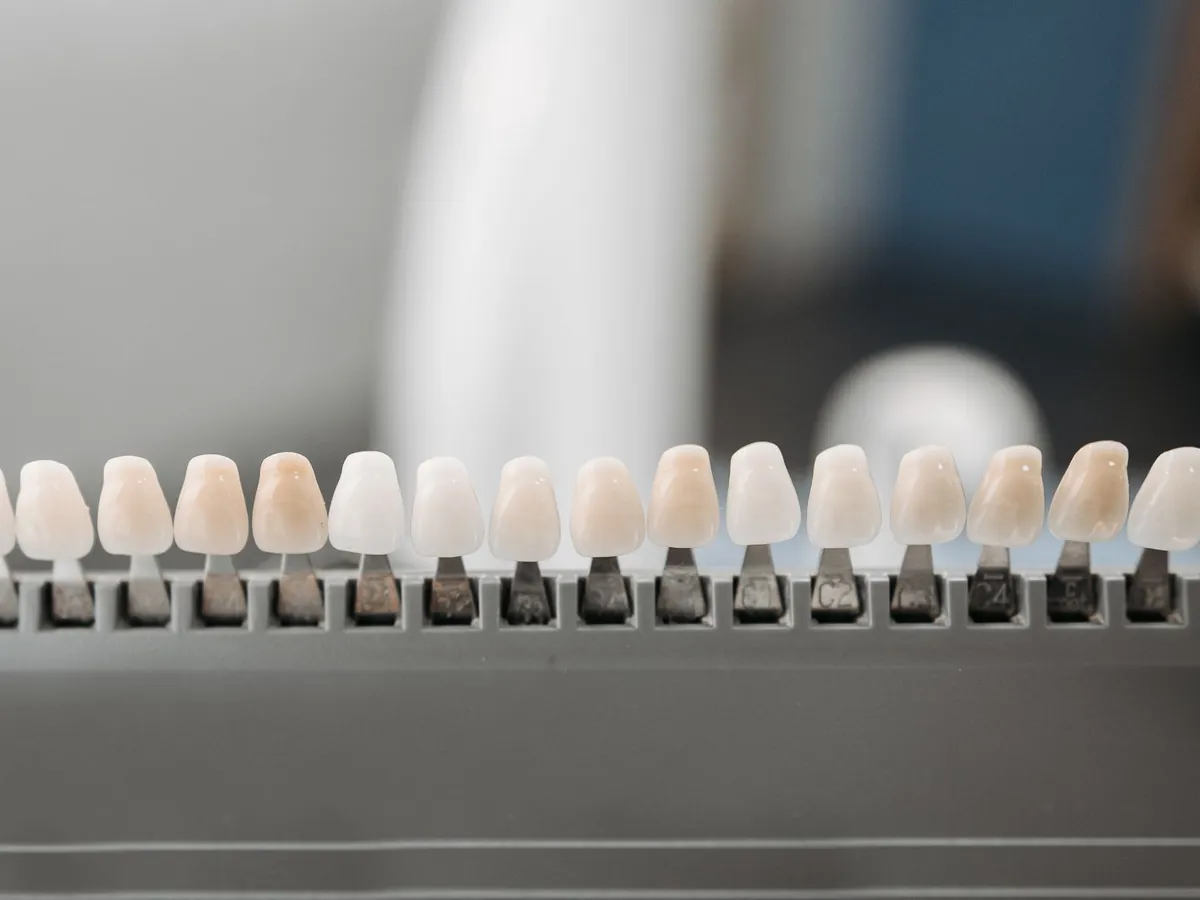
Dental Veneers
Who veneers suit, the two-visit process and how to choose a material.
Learn more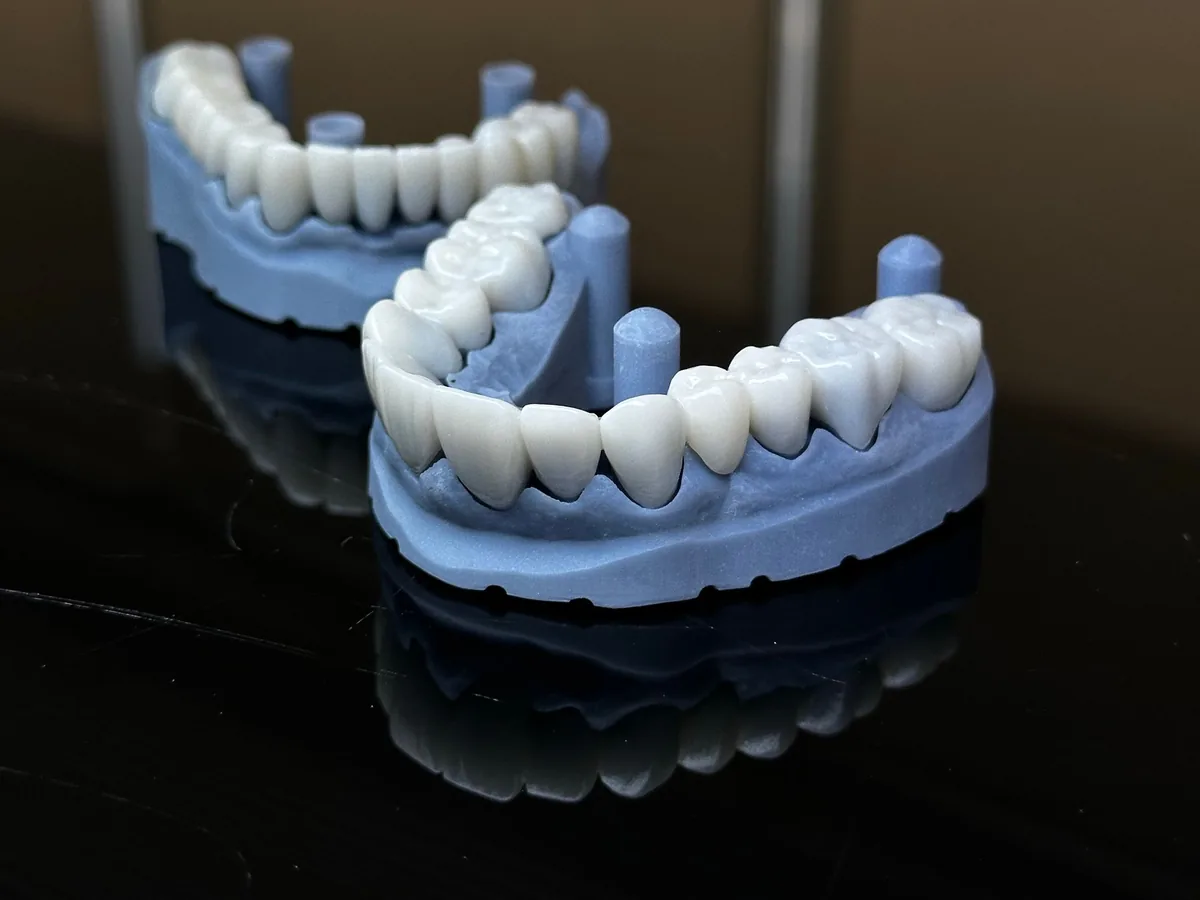
E-max Veneers
Glass-ceramic veneers made from genuine IPS e.max.
Learn more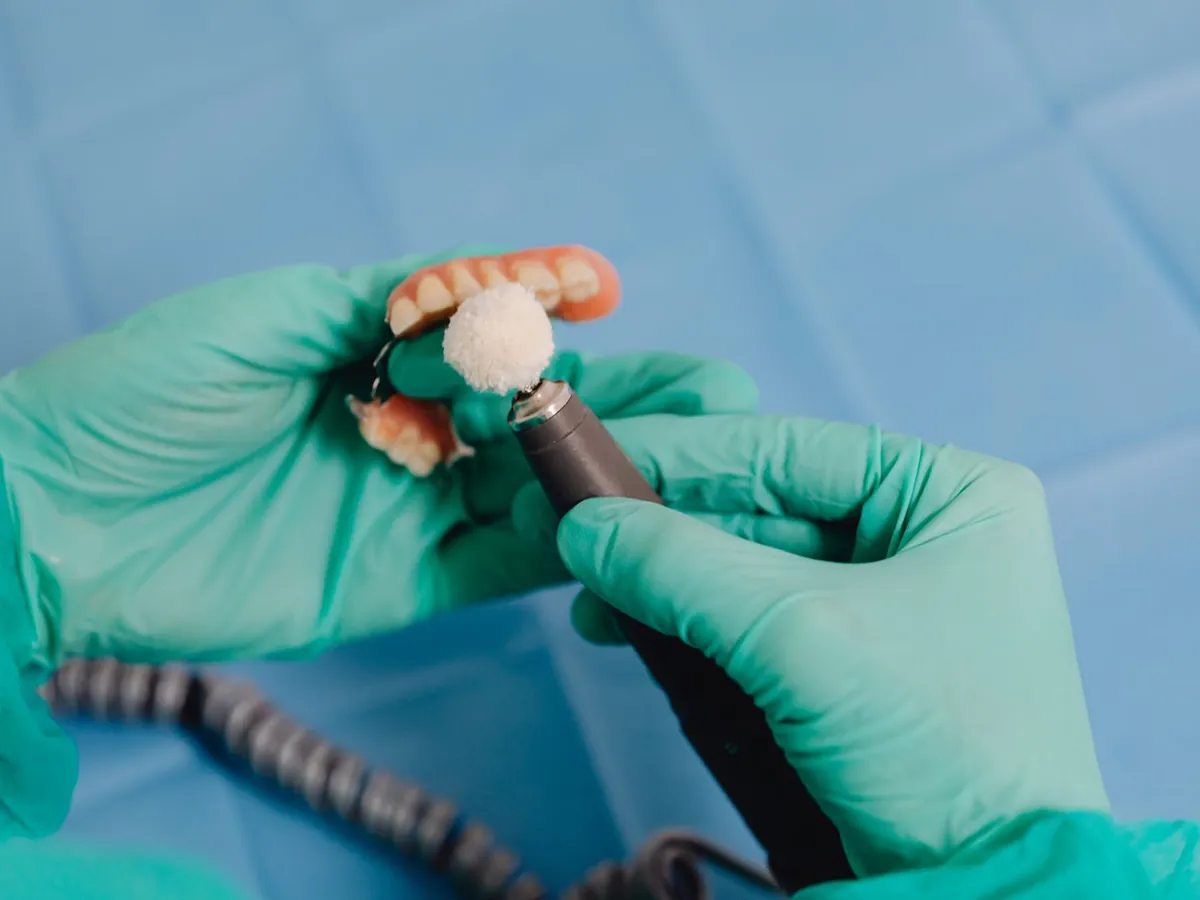
How Long Do Veneers Last?
What the research says about veneer lifespan.
Learn moreSources
Studies and patient guides this page is based on.
- [1] Veneers — MouthHealthy, American Dental Association · mouthhealthy.org
- [2] Veneers — Oral Health Foundation · dentalhealth.org
- [3] Alenezi A, Alsweed M, Alsidrani S, Chrcanovic BR. Long-Term Survival and Complication Rates of Porcelain Laminate Veneers in Clinical Studies: A Systematic Review. Journal of Clinical Medicine, 2021 · pmc.ncbi.nlm.nih.gov
- [4] Lim TW, Tan SK, Li KY, Burrow MF. Survival and Complication Rates of Resin Composite Laminate Veneers: A Systematic Review and Meta-Analysis. Journal of Evidence-Based Dental Practice, 2023 · doi.org
- [5] Dental Bonding — Cleveland Clinic (medically reviewed 5 January 2026) · my.clevelandclinic.org
- [6] Mehta SB. 'Bonding boom': composite bonding insights for dental professionals — General Dental Council, 28 April 2026 · gdc-uk.org
- [7] Demarco FF, Collares K, Coelho-de-Souza FH, Correa MB, Cenci MS, Moraes RR, Opdam NJ. Anterior composite restorations: A systematic review on long-term survival and reasons for failure. Dental Materials, 2015 · doi.org