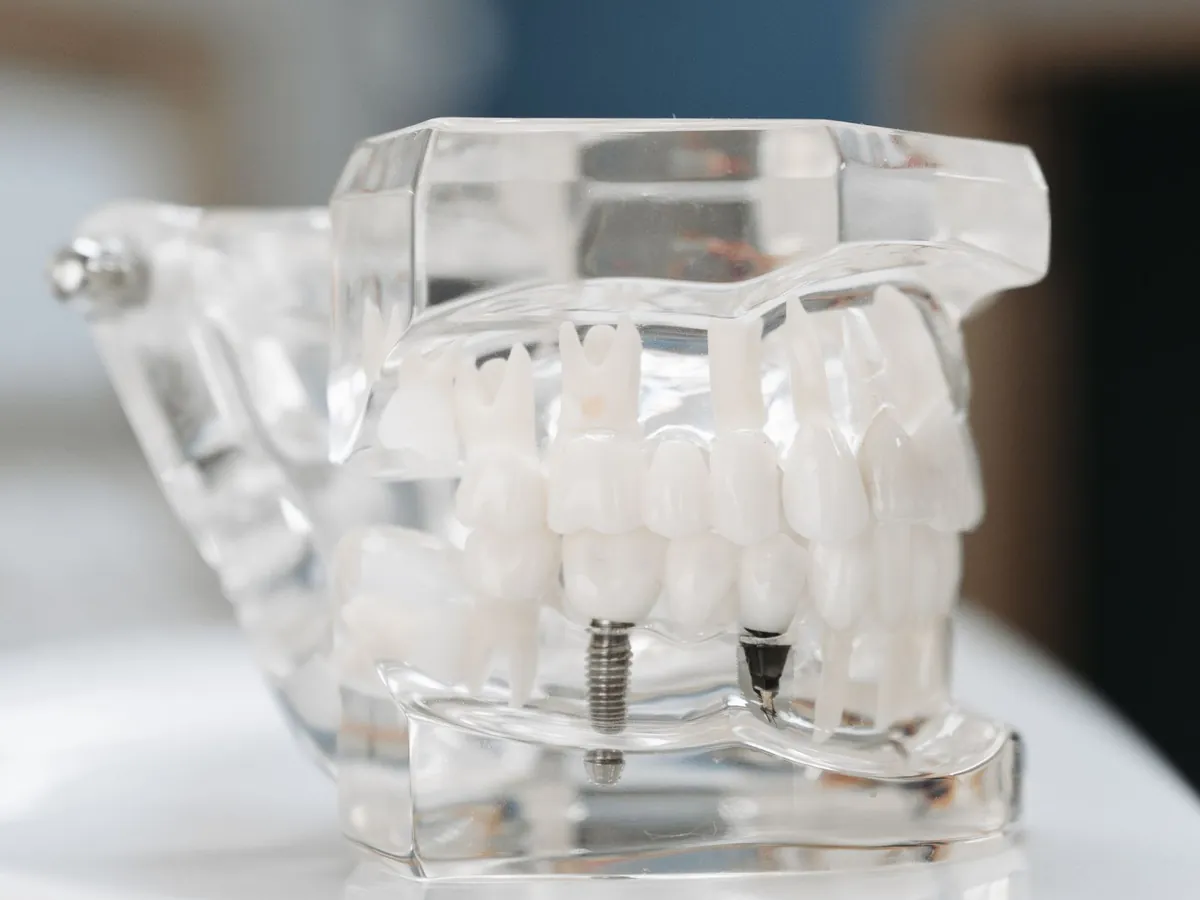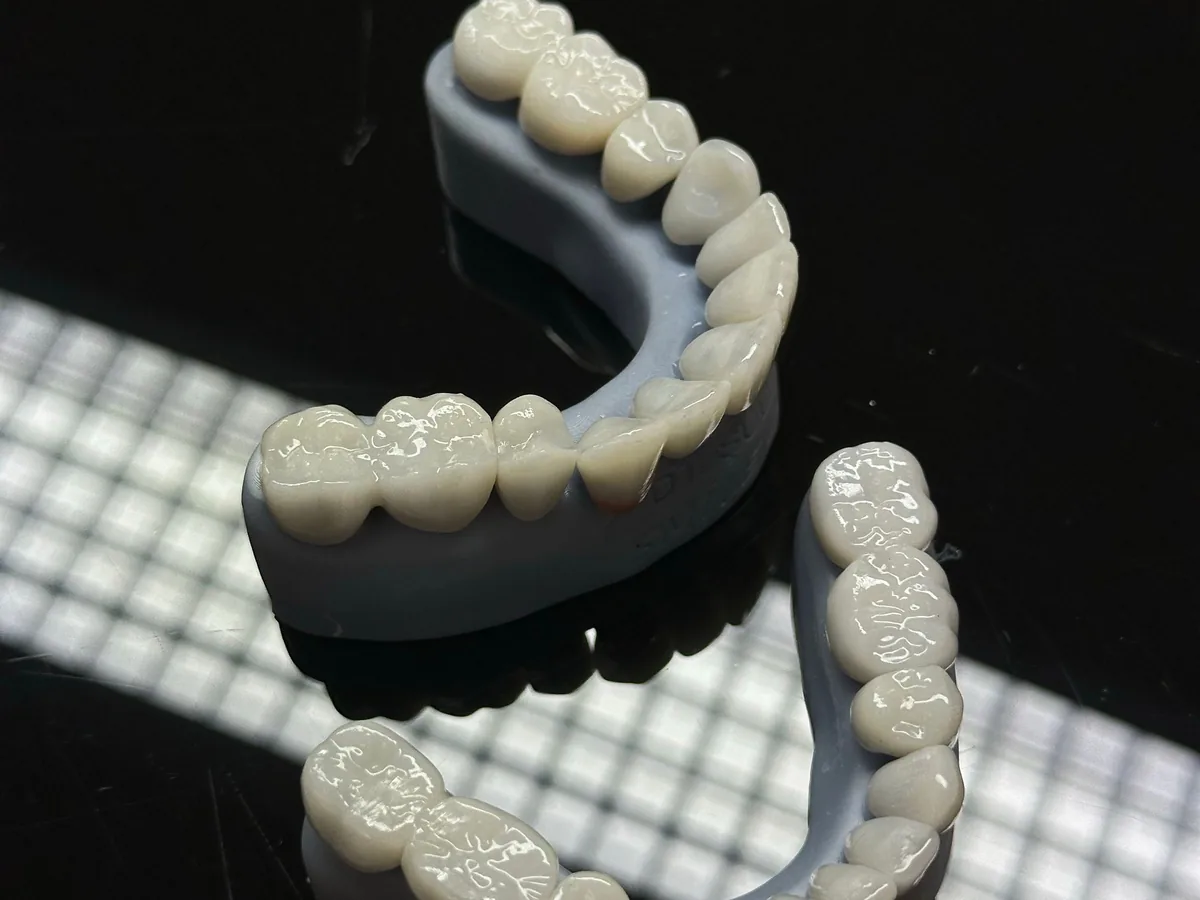

I visited Vita Smile Dental Clinic for implants and a smile makeover, and I couldn’t be happier with the outcome. Dr. Vildan and her team were warm, knowledgeable, and extremely detail-oriented. The clinic itself is spotless and modern, and they made sure I was comfortable every step of the way. They even helped with transportation and accommodation, which made the whole experience stress-free. My new smile looks amazing — I feel more confident than ever. If you're thinking about dental treatment in Turkey, Vita Smile is a fantastic choice. Thank you for everything!
Implant dentistry
All-on-6 Dental Implants
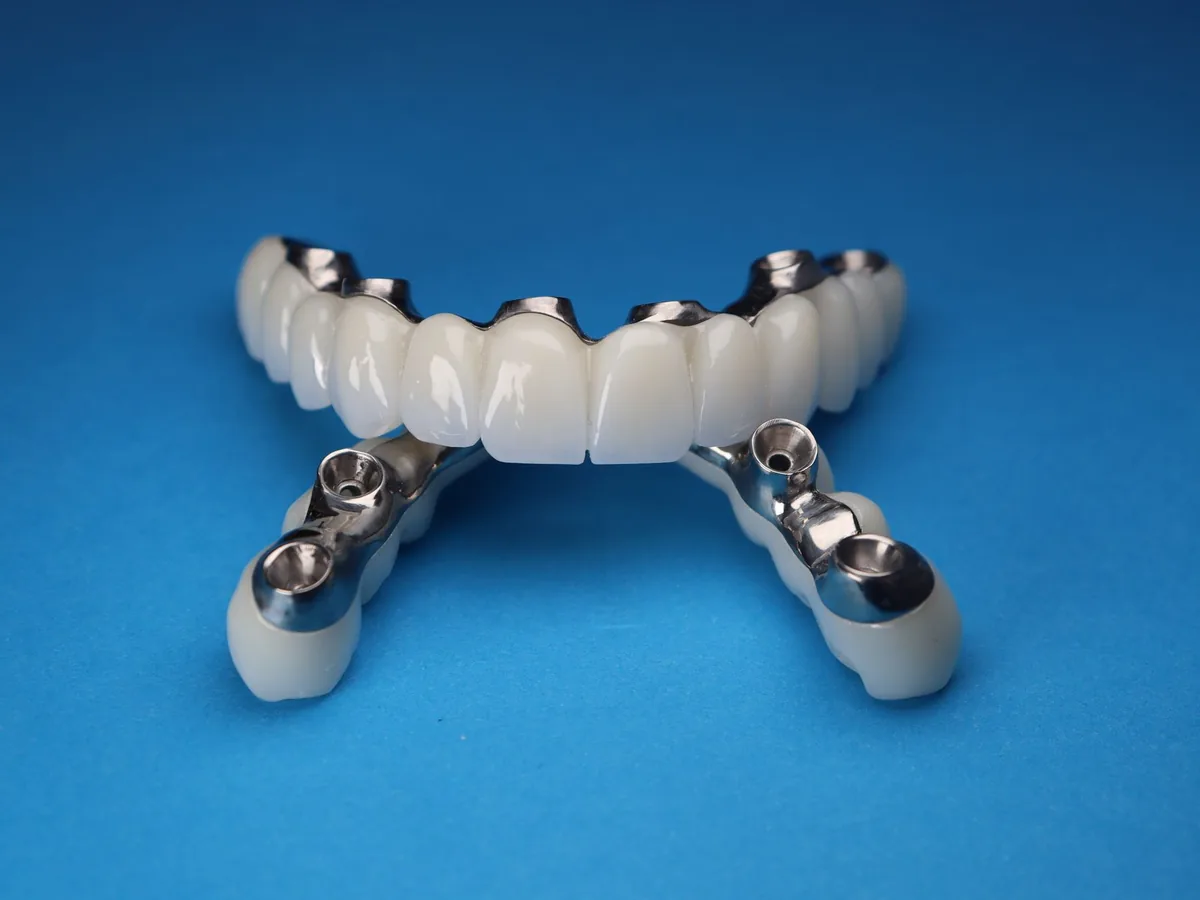
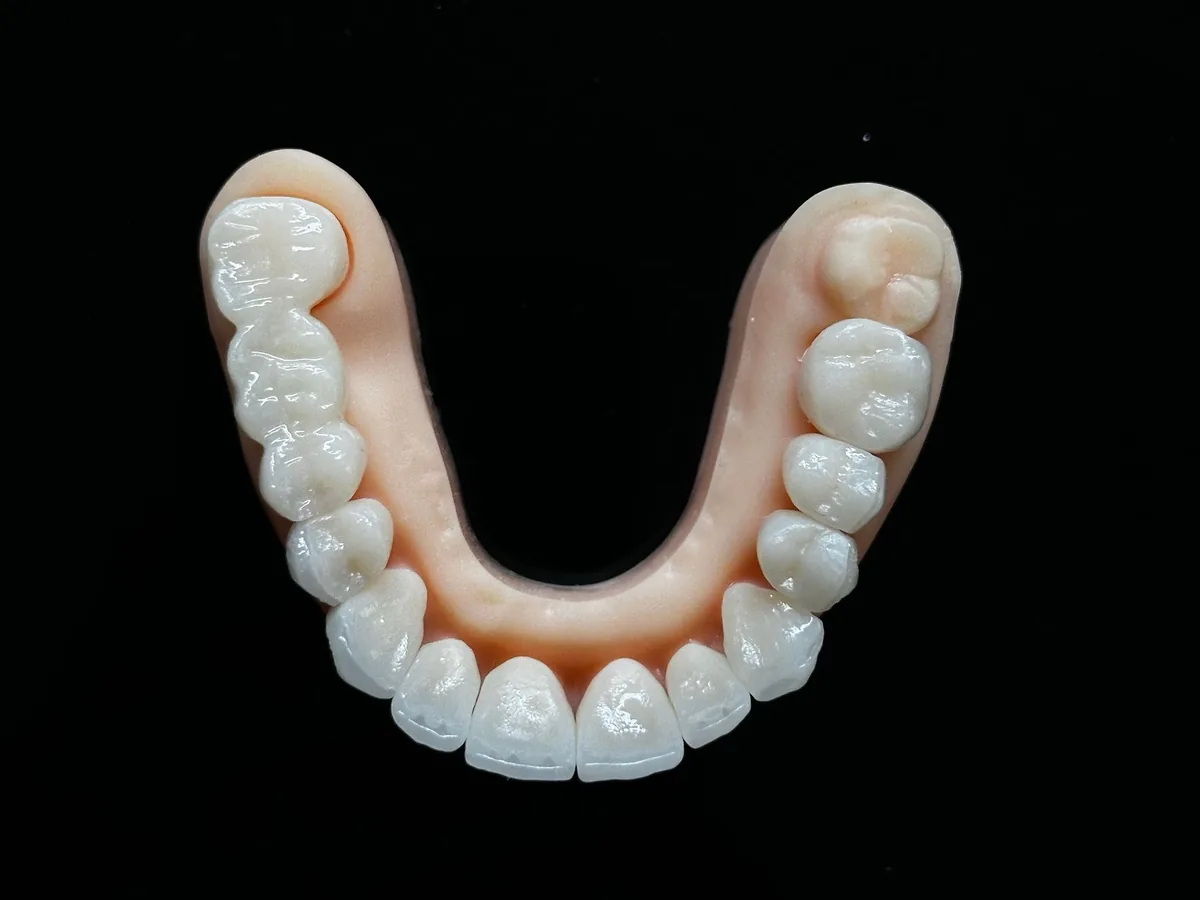
All-on-6 is a fixed bridge of teeth held by six dental implants in one jaw. It suits adults who have lost, or are losing, all the teeth in that jaw and have enough bone for six implants. The bridge stays fixed in place; the implants usually bond with the bone in about 2–6 months [1], and in our typical plan the final bridge is fitted about 6–8 months after surgery.
Published by Vita Smile Dental Clinic Sources (6)
Key takeaways
- All-on-6 replaces every tooth in one jaw with a fixed bridge on six implants that you do not take out [1].
- Reviews found no significant difference in implant or bridge survival between bridges on fewer implants (usually four) and on more (often six) [2][3].
- In the upper jaw, one review measured less bone loss around six implants than around four: 0.46 mm against 1.02 mm [3].
- In the lower jaw, implant and bridge survival of fixed full-arch bridges stayed above 96% after 10 years [4].
- Chipped tooth material and broken screws were the most common technical problems, so check-ups matter [5].
At a glance
- Implants per jaw
- 6
- Replaces
- A full arch of teeth
- Removable
- No, fixed in place
- Bone healing
- Usually 2–6 months
- Planning
- 3D scan (cone beam CT)
- Temporary teeth
- On the day of surgery, in selected cases
- Final bridge
- After about 6–8 months
- Implant systems at Vita Smile
- Ires, Medigma
Clinically reviewed by
Oral and Maxillofacial Surgeon · Implant & Surgical Dentistry Specialist
The basics
What is All-on-6?
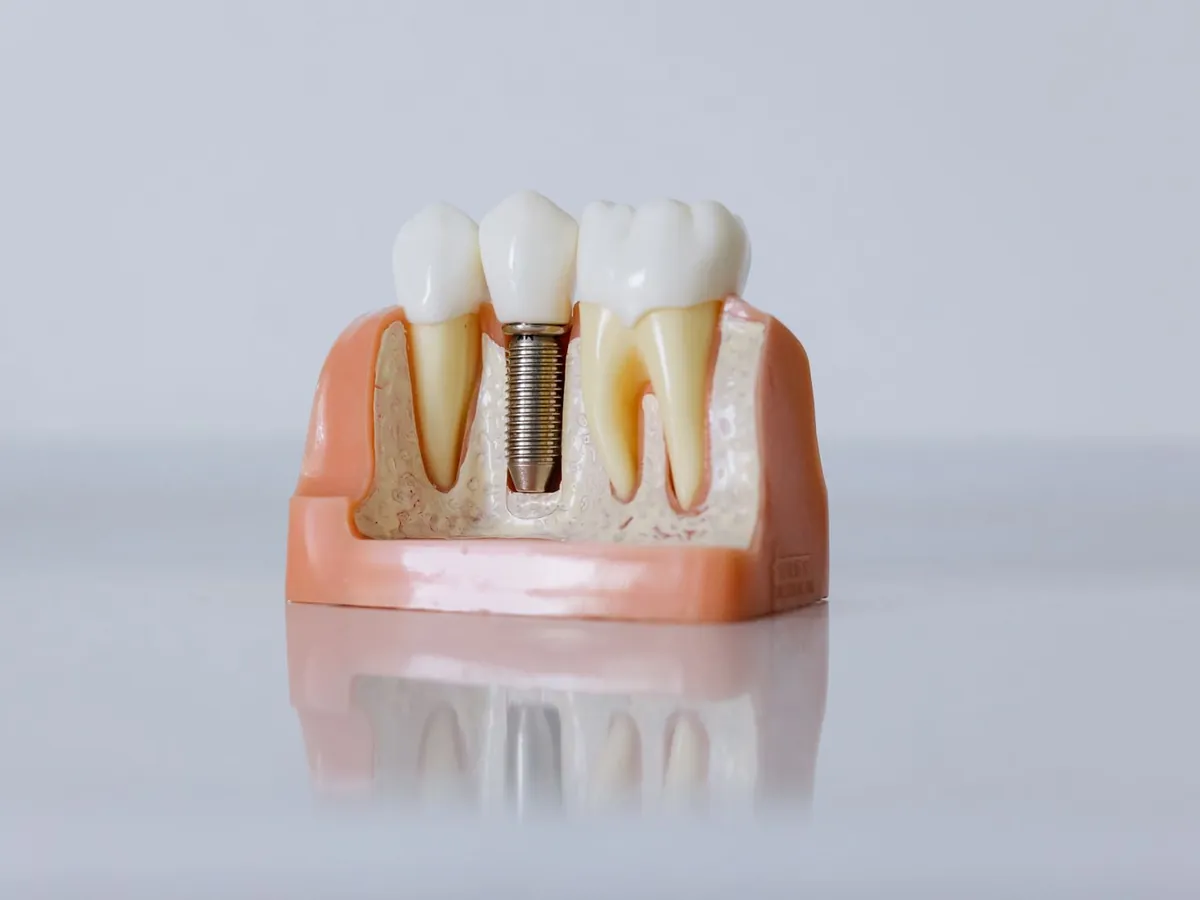
All-on-6 is the common name for a full-arch bridge on six implants. An implant is a hollow screw, usually made of titanium alloy, placed into the jaw [1]. Six of them are spread along one jaw, and a single bridge with a full row of teeth is fixed onto them.
It is one of several ways to restore a whole jaw with implants: our page on full mouth dental implants compares them, and All-on-4 uses the same idea with four implants.
The difference is the number of supports. Two systematic reviews found no significant difference in implant or bridge survival between fewer (usually four) and more (often six) implants [2][3]. One review of the upper jaw did find less bone loss around six implants than around four, after about 3.8 years [3].
So six is not automatically better. The choice depends on how much bone you have, where it is and which jaw is treated. A 3D scan (cone beam CT) shows the bone, the nerves and the sinuses before anything is planned [1].
Is it right for you?
Who is All-on-6 for?
All-on-6 suits adults who have lost, or are about to lose, all the teeth in one jaw, want fixed teeth rather than a denture and have enough bone for six implants along the arch. General health, smoking and the health of your gums also matter [1].
All-on-6 is a good fit if
Ask us about alternatives if
- There is not enough bone for six implants: All-on-4 or bone grafting may be discussed
- Some healthy teeth can still be saved: single dental implants may be enough
- Your teeth are worn but sound: full-mouth zirconia crowns keep them
- You have had gum disease or jaw radiotherapy, have poorly controlled diabetes or take bisphosphonates: the risk of problems is higher [1]
- You prefer teeth you can take out to clean: ask about a denture that clips onto implants (overdenture) [1]
Step by step
How All-on-6 treatment works
Treatment has a surgical stage and a restorative stage, with healing in between: in most cases implants are left to bond with the bone for 2–6 months [1].
-
Before you travel
Online consultation
Send a recent X-ray or a few photos. A dentist reviews them and replies with a personalised plan and a written quote.
-
Assessment
Examination and 3D scan
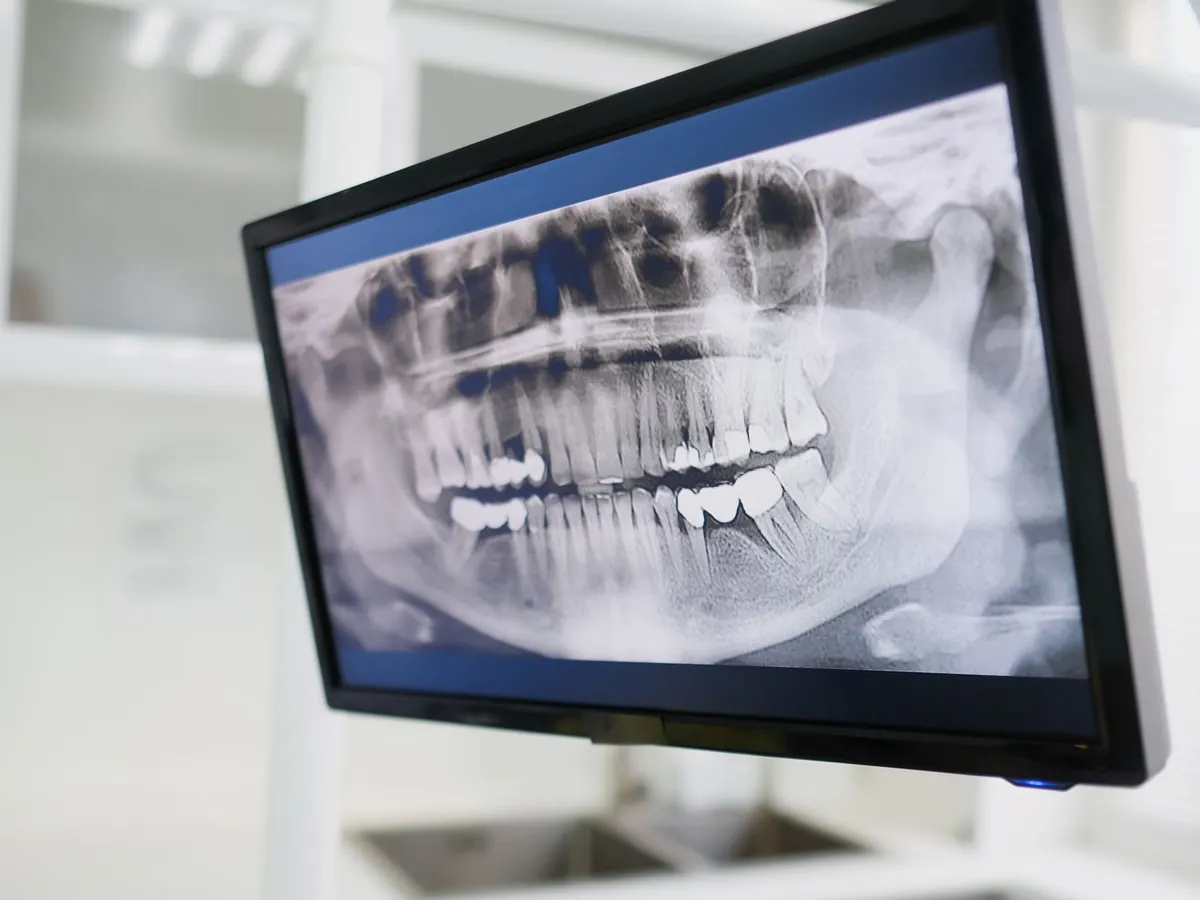
X-rays and usually a cone beam CT scan, which shows the bone, the nerves and the sinuses [1]. The implant positions are planned from it.
-
Surgery
Extractions and implant placement
Teeth that cannot be saved are removed and six implants are placed, usually under local anaesthesia [1].
-
Final stage
Final bridge
Scans or impressions are taken, fit and bite are checked with you, and the final bridge is fixed to the implants.
This is the usual course of full-arch treatment. Timelines vary with your bone, extractions, grafts and loading plan; your surgeon confirms them after examining you.
Find out whether All-on-6 suits you
Send a recent X-ray or a few photos. A dentist reviews them and replies with a personalised plan and a written quote, free of charge.
Compare your options
All-on-6 vs All-on-4 vs an implant overdenture
Bridges on four and on six implants have shown similar survival in systematic reviews [2][3]; in the upper jaw, six came with less bone loss in one review [3]. An overdenture clips onto implants and comes out for cleaning [1]. The choice depends on your bone and on whether you want fixed or removable teeth.
| All-on-6 | All-on-4 | Implant overdenture | |
|---|---|---|---|
| Type of teeth | Fixed bridge | Fixed bridge | Removable denture |
| Implants in the jaw | 6 | 4 | Varies with the plan |
| Can you take it out? | No | No | Yes, to clean and at night |
| Survival in reviews | Similar to four implants | Similar to six implants | Not covered by these reviews |
| Bone loss, upper jaw | 0.46 mm on average | 1.02 mm on average | Not covered by these reviews |
| Parts that wear | Bridge material and screws | Bridge material and screws | Clips and attachments |
Survival: reviews of 93 studies (fewer than five vs five or more implants, median follow-up 8 years) [2] and 53 upper-jaw studies (four vs six, mean follow-up 3.8 years) [3]. Bone loss: [3]. Removal and wear: [1][5].
Before you decide
Risks and complications of All-on-6
Full-arch implant bridges have a long track record [4], but they mean surgery followed by lifelong maintenance. Before you decide, weigh these:
- Implant not bondingIn rare cases an implant never knits to the bone (early failure) [1].
- Inflammation and bone lossOver time, gum inflammation (peri-implant mucositis) and bone loss (peri-implantitis) can develop around an implant and may lead to losing it [1].
- Higher-risk groupsSmoking, poor oral hygiene, past gum disease, radiotherapy to the jaws, poorly controlled diabetes and medicines such as bisphosphonates raise that risk [1].
- Repairs over timeIn long-term studies of fixed full-arch bridges, chipped tooth material and broken screws were the most common technical problems, and an estimated 8.6% of bridges had no complication at all after 10 years [5]. Such problems need not mean the implants have failed, but they do mean repairs [5].
- Nerves and sinusesImplants are planned around the nerves of the lower jaw and the sinuses of the upper jaw, which a 3D scan shows [1].
- Hard to undoRemoved teeth cannot be put back, so make sure every alternative has been explained to you first.
From our surgeon
“Six implants are worth placing when the bone along the whole arch can take them; the bridge then rests on more supports and the load is shared. When the bone is not there, I would rather show you the alternatives than force six implants in. Whatever the plan, I check on the scan where the nerves and sinuses lie before I decide, and after surgery I ask you to clean under the bridge every day and keep your check-ups.”
Treatment abroad
Choosing a clinic in Turkey for All-on-6
Six implants mean more surgery than four, so the first thing to understand is why your jaw needs them. Before you book, ask:
- Who will place my implants, and who will fit the bridge?
- Is a 3D scan (cone beam CT) part of the planning [1]?
- Why six implants for my jaw, and not four?
- Which implant system is used, and can a dentist at home get parts for it?
- How many trips will I need, and what will I wear before the final bridge?
- What happens if an implant fails or the bridge chips, and who checks the implants once I am home?
Some answers we can give now: Dr. Saffet Ekinci, our oral and maxillofacial surgeon, plans implant surgery and reviewed this page, and we work with the Ires and Medigma implant systems. The rest depends on your scan, so ask us in a free online consultation or meet our dentists first.
Questions
All-on-6 dental implants: frequently asked questions
Can't find your answer? Our coordinators are happy to help on WhatsApp.
Ask on WhatsAppHow much do All-on-6 implants cost in Turkey?
It depends on the implant system, the bridge material, any extractions or bone grafts, and whether one or both jaws are treated. A free online assessment gives you a personalised plan and a written quote. See full-arch implant prices and packages.
Are All-on-6 implants worth it?
For many people who have lost all the teeth in one jaw, a fixed bridge is a long-lasting alternative to a denture: in the lower jaw, implant and bridge survival stayed above 96% after 10 years [4]. It is a commitment, though: daily cleaning, check-ups and repairs over time [5].
Which is better, All-on-4 or All-on-6?
Neither is better for everyone. Reviews found no significant difference in implant or bridge survival [2][3], though one measured less bone loss around six implants in the upper jaw [3]. When bone is limited, All-on-4 may fit better; your surgeon decides from your 3D scan.
How long do All-on-6 implants last?
Research on full-arch fixed bridges is encouraging: in the lower jaw, a review of 17 studies found implant and bridge survival above 96% after 10 years [4]. The bridge often needs repairs over that time [5], and not smoking and good daily cleaning lower the risk of problems [1].
Is it worth going to Turkey for implants?
For many patients, yes, provided you are examined and scanned before surgery at a licensed clinic and you know who will look after your implants at home. The final bridge usually follows healing [1], which often means a second trip.
What are 3-on-6 implants, and what do they cost?
3-on-6 also uses six implants, but the teeth are made as three separate bridges, each on two implants, instead of one piece. The cost depends on your plan; you receive a written quote after a free online assessment.
Can I have fixed teeth on the day of surgery?
Sometimes. When the implants are firm enough in the bone, a temporary fixed bridge can be attached soon after surgery. In carefully selected cases, a systematic review found similar implant and bridge survival with immediate and later loading [6]. Your surgeon decides during surgery.
What our patients say
Read what our patients say about us on Google and Trustpilot.
Free consultation
Free initial consultation
Leave your details and a treatment coordinator will contact you to arrange your free online consultation.
- We get in touchWe reply to you on WhatsApp.
- You share photos or an X-rayA dentist reviews them before your consultation.
- You receive your plan & quoteItemised and free, with no obligation to book.
Sources
Studies and patient guides this page is based on.
- [1] Dental implants — Leeds Dental Institute, Leeds Teaching Hospitals NHS Trust · leedsth.nhs.uk
- [2] Daudt Polido W, Aghaloo T, Emmett TW, Taylor TD, Morton D. Number of implants placed for complete-arch fixed prostheses: A systematic review and meta-analysis. Clinical Oral Implants Research, 2018 · doi.org
- [3] Sharaf MA, Wang S, Mashrah MA, Xu Y, Haider O, He F. Outcomes that may affect implant and prosthesis survival and complications in maxillary fixed prosthesis supported by four or six implants: A systematic review and meta-analysis. Heliyon, 2024 · pmc.ncbi.nlm.nih.gov
- [4] Papaspyridakos P, Mokti M, Chen CJ, Benic GI, Gallucci GO, Chronopoulos V. Implant and prosthodontic survival rates with implant fixed complete dental prostheses in the edentulous mandible after at least 5 years: a systematic review. Clinical Implant Dentistry and Related Research, 2014 · doi.org
- [5] Papaspyridakos P, Chen CJ, Chuang SK, Weber HP, Gallucci GO. A systematic review of biologic and technical complications with fixed implant rehabilitations for edentulous patients. International Journal of Oral & Maxillofacial Implants, 2012 · pubmed.ncbi.nlm.nih.gov
- [6] Papaspyridakos P, Chen CJ, Chuang SK, Weber HP. Implant loading protocols for edentulous patients with fixed prostheses: a systematic review and meta-analysis. International Journal of Oral & Maxillofacial Implants, 2014 · doi.org