
I visited Vita Smile Dental Clinic for implants and a smile makeover, and I couldn’t be happier with the outcome. Dr. Vildan and her team were warm, knowledgeable, and extremely detail-oriented. The clinic itself is spotless and modern, and they made sure I was comfortable every step of the way. They even helped with transportation and accommodation, which made the whole experience stress-free. My new smile looks amazing — I feel more confident than ever. If you're thinking about dental treatment in Turkey, Vita Smile is a fantastic choice. Thank you for everything!
Cosmetic dentistry
E-max Veneers
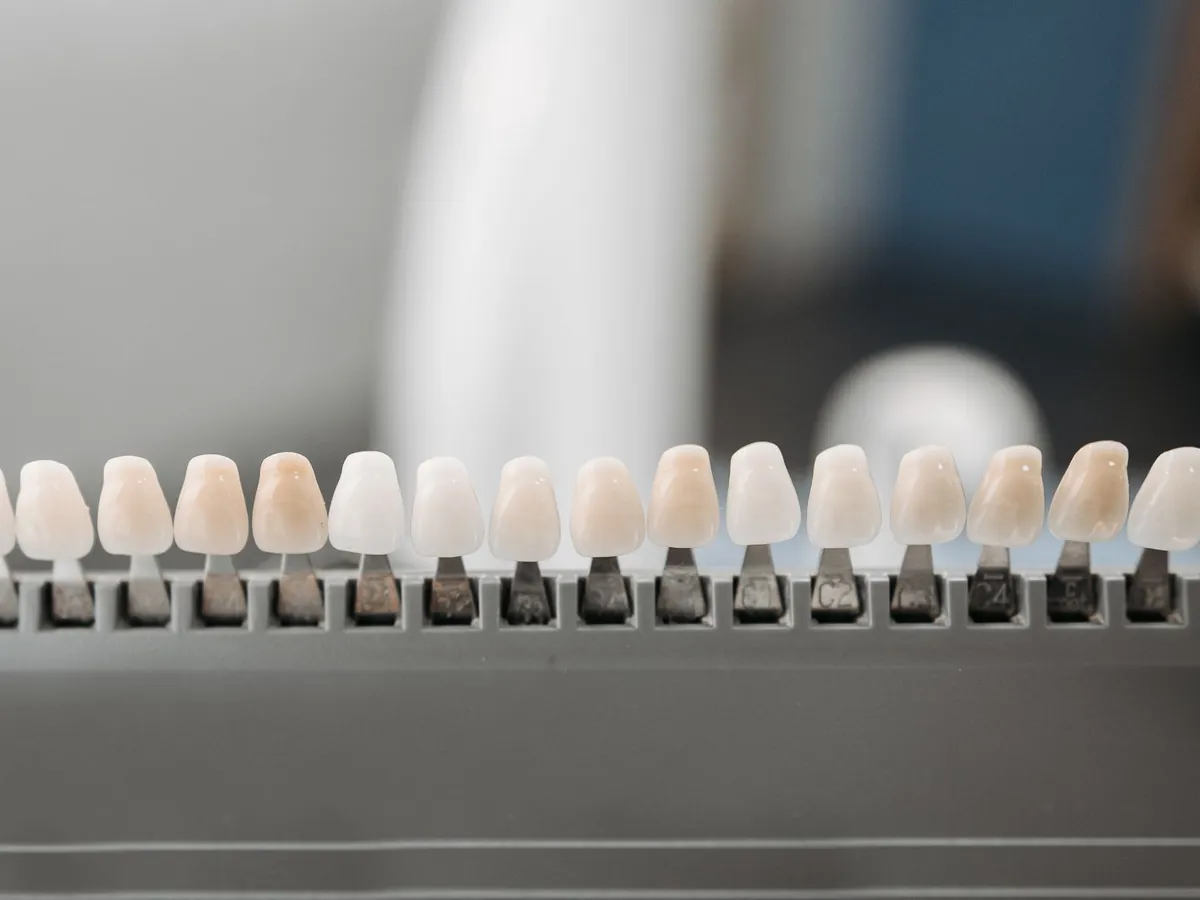
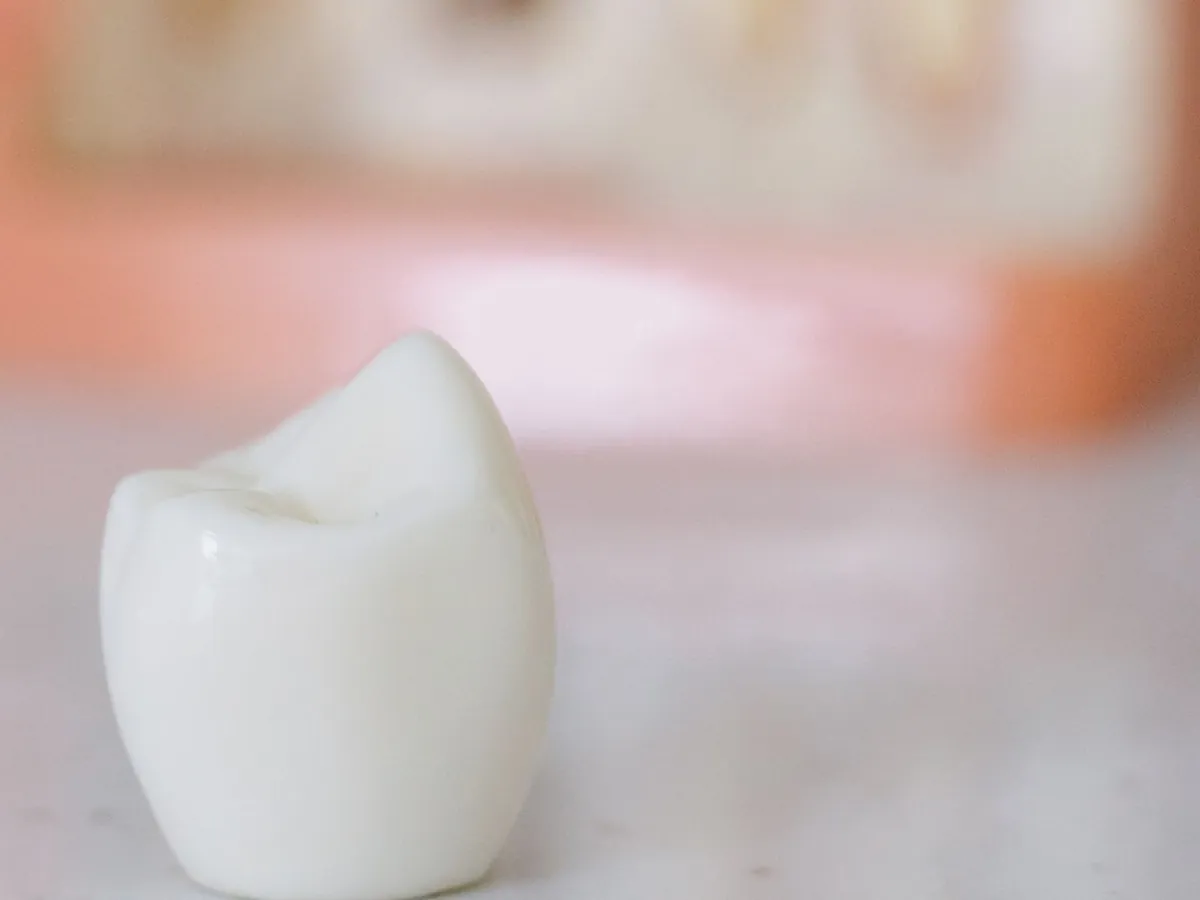
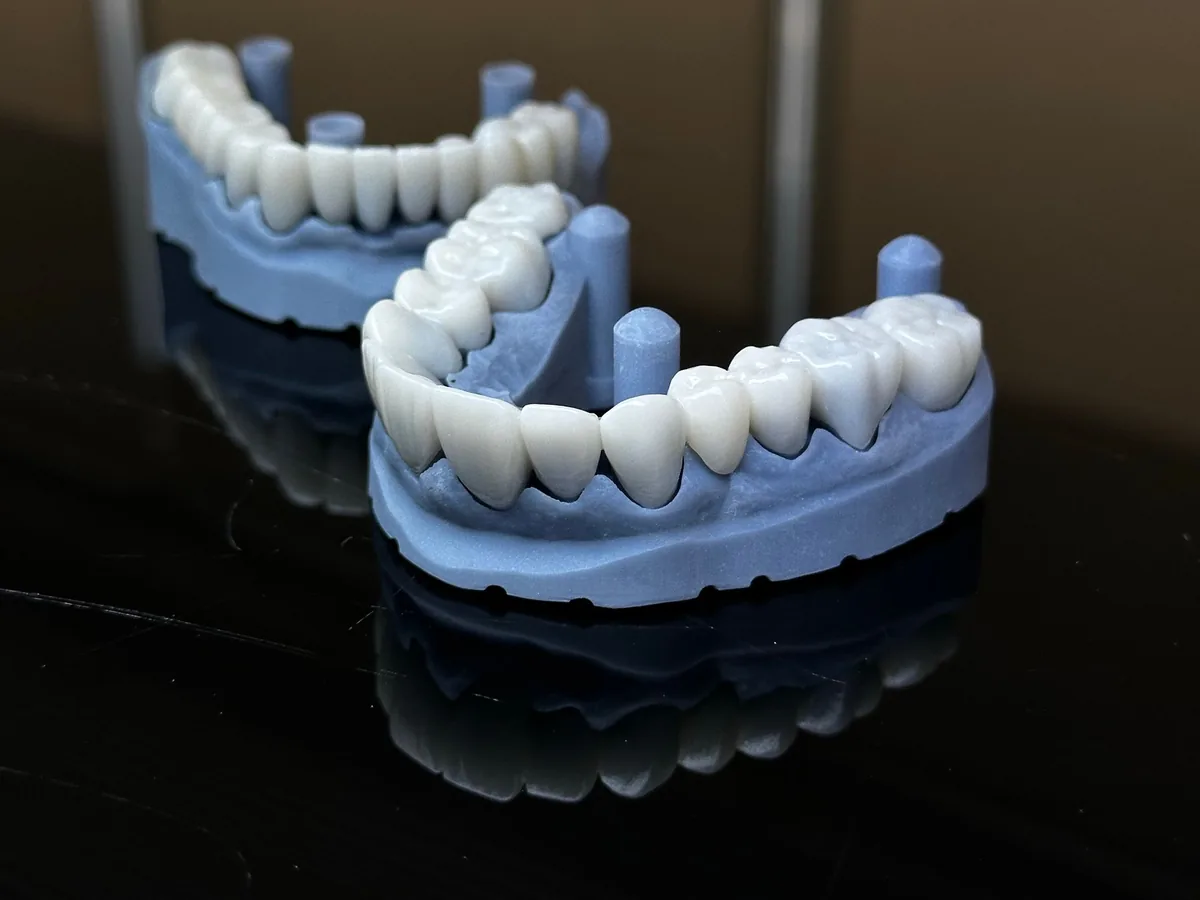
E-max veneers (also written emax veneers) are thin porcelain veneers made from IPS e.max, a lithium disilicate glass-ceramic produced by Ivoclar. They are bonded to the front of healthy teeth to change their colour, shape or length. The material is stronger than traditional feldspathic porcelain but still translucent, and it can be pressed or milled.
Published by Vita Smile Dental Clinic Sources (6)
Key takeaways
- Lithium disilicate is a glass-ceramic that is stronger than feldspathic porcelain yet still translucent [1][2].
- In a 2025 review of 29 studies, 96.8% of lithium disilicate veneers were still in place after a mean of 10.4 years, with fewer complications than feldspathic veneers [1].
- Pressed e-max veneers can be from 0.3 mm thick, milled ones from 0.4 mm, according to the manufacturer [3][4].
- When enamel is removed for a veneer, the treatment cannot be reversed [5].
- Zirconia is stronger but more opaque, and there are no long-term studies of zirconia veneers yet [1][2].
At a glance
- Material
- Lithium disilicate glass-ceramic
- Made by
- Pressing or milling
- Thinnest pressed veneer
- 0.3 mm (manufacturer)
- Fixed with
- Adhesive resin cement
- At Vita Smile
- Genuine IPS e.max (Ivoclar)
- At about 10 years
- 96.8% still in place
- Time in Istanbul
- Usually 5–7 days, 2 visits
Clinically reviewed by
Prosthodontics & Aesthetic Dentistry · Restorative Dental Care
The material
What are E-max veneers?
Our dental veneers page explains veneers in general; this page is about one porcelain material.
"E-max" is the everyday name for IPS e.max, a range of lithium disilicate glass-ceramics made by the dental manufacturer Ivoclar [3]. Lithium disilicate consists of small needle-shaped crystals embedded in a glass [2]. Reviews describe it as a balance of good looks and strength that goes beyond feldspathic porcelain [1].
There are two ways to make an e-max veneer:
- Pressed (IPS e.max Press): the veneer is modelled in wax, then the ceramic is heat-pressed into its mould, like the classic lost-wax technique [2][3]. Veneers can be from 0.3 mm thick [3].
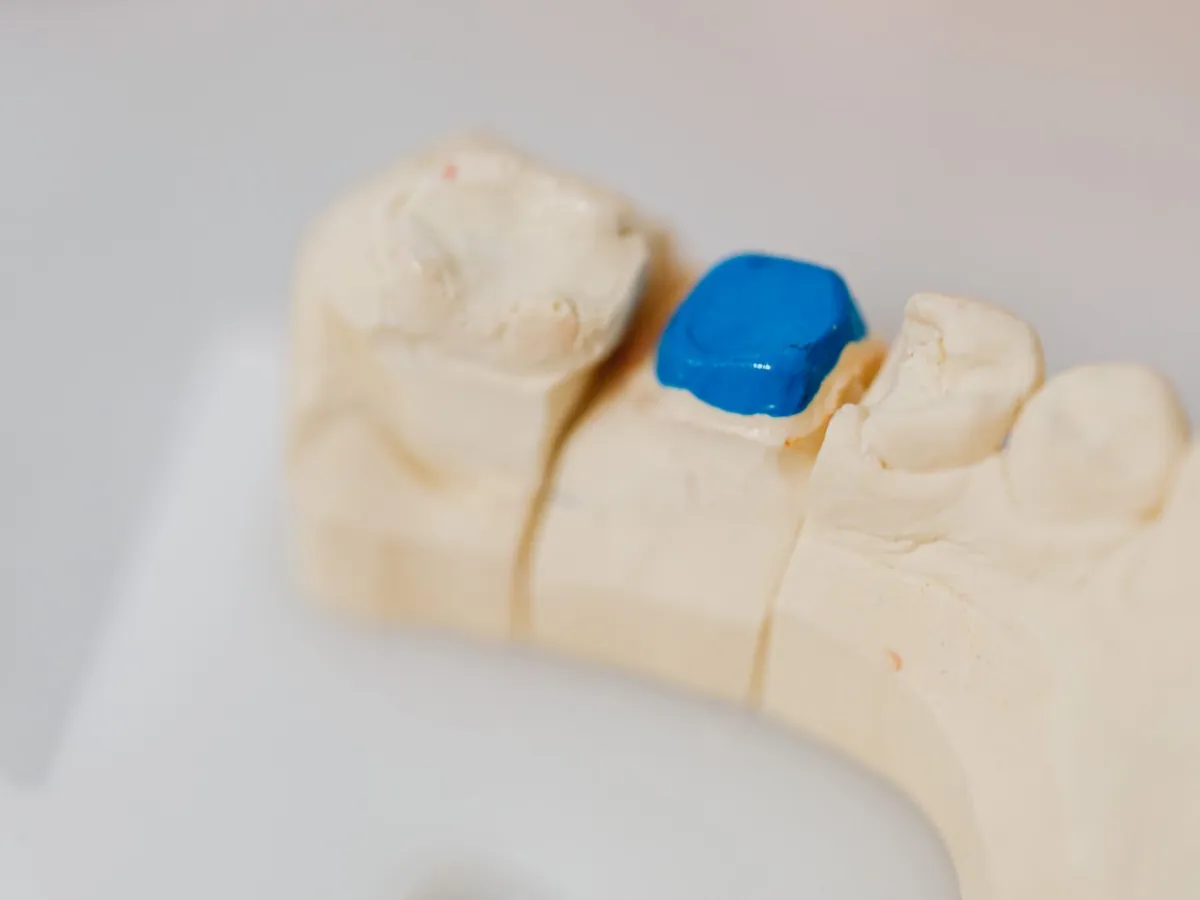
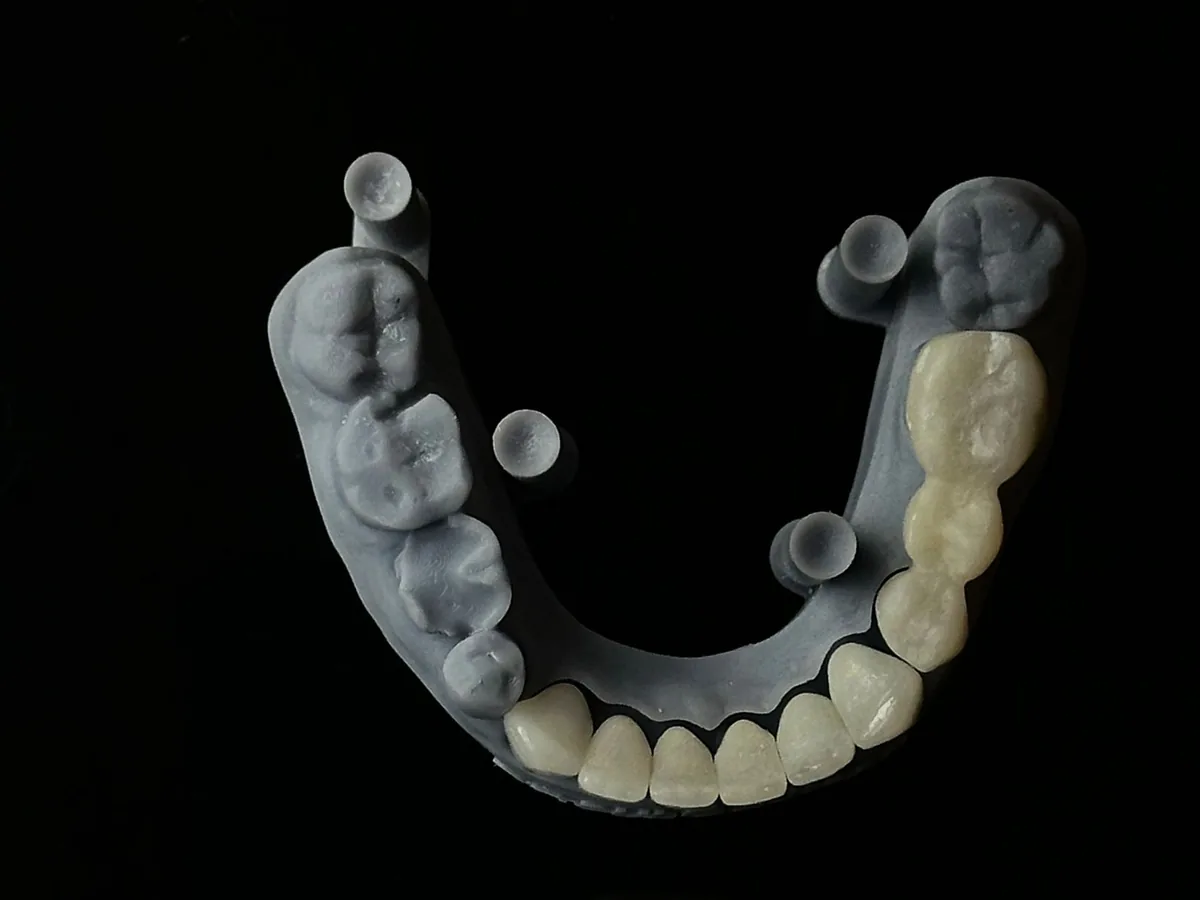
- Milled (IPS e.max CAD): the veneer is designed on a computer, milled from a block in a blue, pre-crystallised state, then crystallised in a furnace [4]. Veneers can be from 0.4 mm thick [4].
Both come in several levels of translucency, chosen for each case [3][4]. A 2025 review of eight studies found a better fit at the edges for pressed veneers and a better internal fit and faster workflow for milled ones, with acceptable colour matching for both; the certainty of this evidence was low or very low [6].
Lifespan: in a 2025 review, 96.8% of lithium disilicate veneers were still in place after a mean of 10.4 years [1]. Our guide on how long veneers last covers the research and risk factors.
IPS e.max is a trademark of Ivoclar, named here only to describe the material; no endorsement is implied.
Is it right for you?
Who are E-max veneers for?
E-max veneers suit adults whose front teeth are healthy but stained, chipped, misshapen or slightly gapped [5]. Long-term success depends on a minimal, mostly enamel-based preparation and a strong bond [1]. Veneers placed over unhealthy teeth can make existing problems worse [5], so decay and gum disease are treated first.
E-max veneers are a good fit if
- Your front teeth are stained or discoloured and whitening has not helped
- You have chips, worn edges or teeth of uneven size or shape
- There are small gaps between your front teeth [5]
- Your teeth and gums are otherwise healthy
Ask us about alternatives if
- Only one or two teeth need a small fix: composite bonding may be enough
- A tooth is heavily filled, root-treated or broken: a crown covers and protects the whole tooth
- You grind or clench: grinding raised the risk of veneer fracture in one study [1], so plan a night guard
- You have active decay or gum disease: it is treated before any cosmetic work [5]
Step by step
How E-max veneers are made and fitted
The steps match other porcelain veneers; what differs is how the veneer is made and bonded.
-
Before you travel
Online consultation
Send photos of your smile or a recent X-ray; a dentist replies with a personalised plan and a written quote.
-
First visit
Examination and smile design
Your teeth, gums and bite are checked, and the shape and shade are planned with you, often with a digital smile design.
-
First visit
Preparation and scan
If space is needed, a thin layer is removed, ideally staying within the enamel [1]. The teeth are then scanned or an impression is taken.
-
At home
Aftercare
Brush twice a day with fluoride toothpaste, clean between your teeth daily and avoid biting hard objects [5].
The number of visits and the time between them depend on your treatment plan; your dentist confirms them after examining you.
Find out if E-max veneers suit your smile
Send a few photos of your smile. A dentist reviews them and replies with a personalised plan and a written quote, free of charge.
Compare your options
E-max vs feldspathic porcelain vs composite vs zirconia veneers
At about 10 years, lithium disilicate and feldspathic veneers had similar survival, 96.8% and 96.1%, but lithium disilicate had far fewer technical complications [1]. Zirconia is stronger, but lithium disilicate is about 30% more translucent and easier to bond, and zirconia veneers have short-term data only [1][2]. Composite stains and wears more easily but is easier to repair [5].
| E-max (lithium disilicate) | Feldspathic porcelain | Composite | Zirconia | |
|---|---|---|---|---|
| Strength | Higher than feldspathic porcelain | Low | Less wear-resistant than porcelain | Highest of the four |
| Appearance | Translucent, natural-looking | Very natural shade and translucency | Can stain over time | More opaque |
| Bonding to the tooth | Strong bond after etching and silane | Adhesively bonded | Bonded directly to the tooth | More difficult; needs a special protocol |
| Survival in studies | 96.8% at a mean of 10.4 years | 96.1% at a mean of 10.4 years | Not covered by this review | 100% at 2.6 years, one study |
| Technical complications at about 10 years | 6.1% | 41.5% | Not in this review | No long-term data |
Survival and complications: a 2025 review of 29 studies (long-term: 1,135 lithium disilicate and 428 feldspathic veneers; zirconia: one study of 40 veneers) [1]. Strength and translucency: [1][2]. Composite: ADA [5].
Before you decide
Disadvantages and risks of E-max veneers
E-max veneers have strong long-term evidence [1], but they are a permanent decision. Weigh these points honestly:
- Not reversibleWhen enamel is removed to place a veneer, the treatment cannot be undone [5].
- Fracture and chippingBoth were recorded for lithium disilicate veneers [1]; a damaged veneer may need repair or replacement [5].
- DebondingA veneer can come loose over time and need re-bonding [1][5].
- Gaps and staining at the edgeMarginal gaps and discoloration along the edge were recorded in the studies [1].
- GrindingIn one study, people who grind had twice the risk of veneer fracture; among them, those without a night guard had seven times the risk of those who wore one [1].
- Thin has limitsThe manufacturer sets a minimum thickness for each technique [3][4], so your teeth may need shaping to make room.
- CostPorcelain veneers tend to cost more than composite [5]. See veneer prices and packages.
From our dentist
“With e-max, the less I prepare the better, as long as the result is right. When thin veneers can do the job, I keep the preparation within the enamel, because that is where the bond is most reliable. I ask every patient about grinding and look for signs of it; when they are there, a night guard is planned alongside the veneers. The try-in is where we judge shape and colour together, before anything is bonded.”
Treatment abroad
Choosing a clinic in Turkey for E-max veneers
With e-max, the product name and the laboratory matter, because porcelain veneers can be made from very different ceramics. Before you book, ask:
- Which ceramic will be used, by brand and product name, and is it written in my quote?
- Will my veneers be pressed or milled, and which laboratory makes them?
- How much enamel will be removed, and from how many teeth?
- Will I see a smile design or a trial version before any tooth is prepared?
- What aftercare is included, and what happens if a veneer chips or comes loose at home?
Our e-max veneers are made from genuine IPS e.max by Ivoclar. They are planned by Dr. Vildan Aktamış, a general dentist who focuses on aesthetic dentistry and who reviewed this page.
Questions
E-max veneers: frequently asked questions
Can't find your answer? Our coordinators are happy to help on WhatsApp.
Ask on WhatsAppWhat are the disadvantages of E-max veneers?
Removing enamel makes the treatment irreversible [5]. An e-max veneer can chip, fracture or come loose, and grinding raises the risk of fracture [1][5]. Porcelain also tends to cost more than composite [5].
Is E-max or zirconia better for veneers?
For veneers, the evidence currently favours lithium disilicate (e-max): it is more translucent than conventional zirconia [2], easier to bond and backed by about 10 years of clinical data [1]. Zirconia is stronger, at 500 to 1,200 MPa against 370 to 460 MPa for pressed lithium disilicate [2], but zirconia veneers have only short-term data [1]. That strength suits zirconia crowns better.
What's the difference between E-max veneers and crowns?
A veneer covers only the front of a tooth, while a crown covers the whole tooth. For pressed e-max, the manufacturer gives a minimum thickness of 0.3 mm for veneers and 1.0 mm for crowns [3]. Crowns are used when a tooth is broken or weakened; see dental crowns.
Are E-max veneers better than regular porcelain veneers?
E-max is itself a porcelain (a glass-ceramic). Compared with traditional feldspathic porcelain, lithium disilicate veneers had similar survival at about 10 years but far fewer technical complications: 6.1% against 41.5% [1].
Can E-max veneers be placed without shaving the teeth?
Sometimes. Pressed e-max can be made as thin as 0.3 mm [3], and some studies used veneers with no preparation [1]. Your dentist decides after examining you.
How much do E-max veneers cost in Turkey?
It depends on how many teeth are treated and any treatment needed first. A free online assessment gives you a personalised plan and a written quote before you travel. See veneer prices and packages.
What our patients say
Read what our patients say about us on Google and Trustpilot.
Free consultation
Free initial consultation
Leave your details and a treatment coordinator will contact you to arrange your free online consultation.
- We get in touchWe reply to you on WhatsApp.
- You share photos or an X-rayA dentist reviews them before your consultation.
- You receive your plan & quoteItemised and free, with no obligation to book.
Sources
Studies and patient guides this page is based on.
- [1] Klein P, Spitznagel FA, Zembic A, Prott LS, Pieralli S, Bongaerts B, Metzendorf MI, Langner R, Gierthmuehlen PC. Survival and Complication Rates of Feldspathic, Leucite-Reinforced, Lithium Disilicate and Zirconia Ceramic Laminate Veneers: A Systematic Review and Meta-Analysis. Journal of Esthetic and Restorative Dentistry, 2025 · pmc.ncbi.nlm.nih.gov
- [2] Zarone F, Di Mauro MI, Ausiello P, Ruggiero G, Sorrentino R. Current status on lithium disilicate and zirconia: a narrative review. BMC Oral Health, 2019 · pmc.ncbi.nlm.nih.gov
- [3] IPS e.max Press — product information, Ivoclar (manufacturer) · ivoclar.com
- [4] IPS e.max CAD — product information, Ivoclar (manufacturer) · ivoclar.com
- [5] Veneers — MouthHealthy, American Dental Association · mouthhealthy.org
- [6] Sudharson NA, Bali P, Thomas PM, Kurian N, Varghese KG. Clinical Performance and Survival Outcomes of Milled Versus Pressed Lithium Disilicate Veneers: A Systematic Review. Journal of Esthetic and Restorative Dentistry, 2025 · doi.org