
I visited Vita Smile Dental Clinic for implants and a smile makeover, and I couldn’t be happier with the outcome. Dr. Vildan and her team were warm, knowledgeable, and extremely detail-oriented. The clinic itself is spotless and modern, and they made sure I was comfortable every step of the way. They even helped with transportation and accommodation, which made the whole experience stress-free. My new smile looks amazing — I feel more confident than ever. If you're thinking about dental treatment in Turkey, Vita Smile is a fantastic choice. Thank you for everything!
Restorative dentistry
Dental Bridge
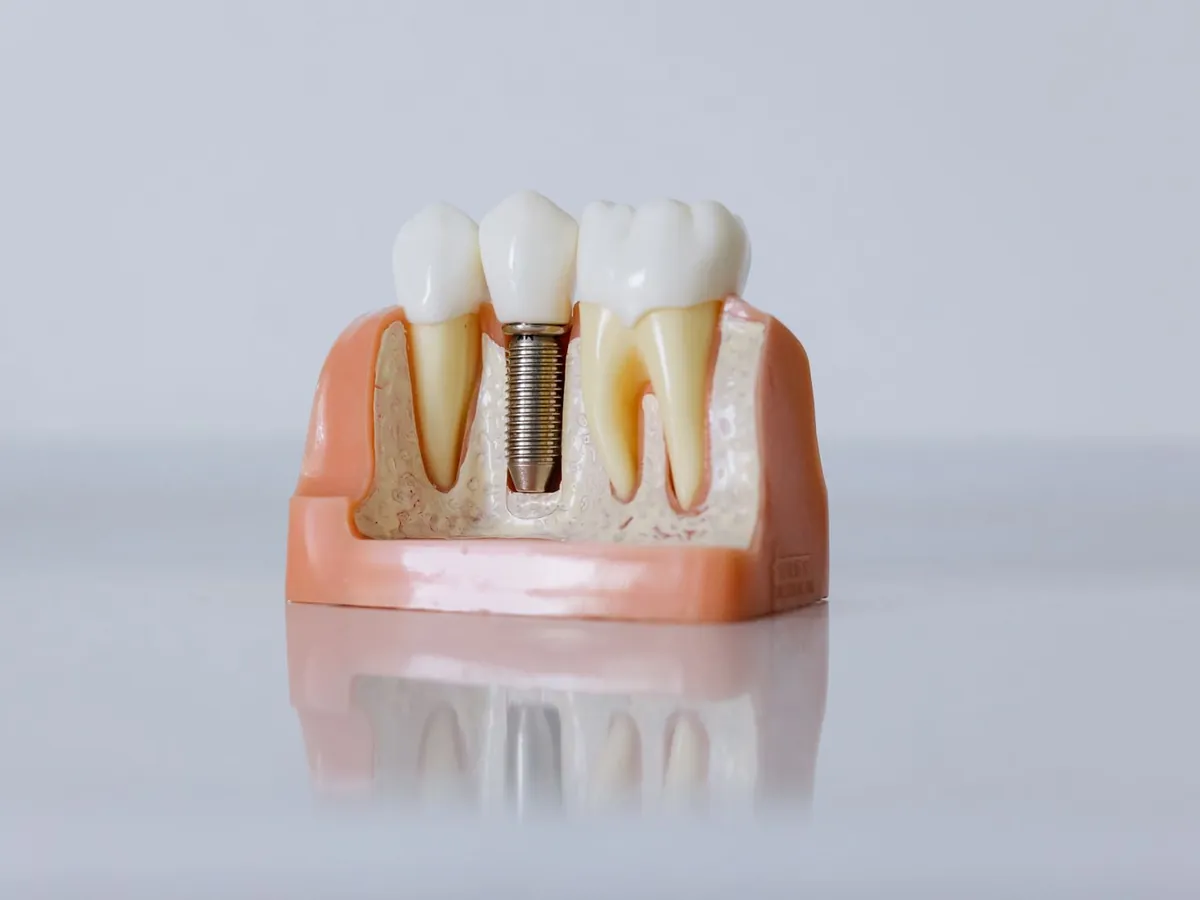
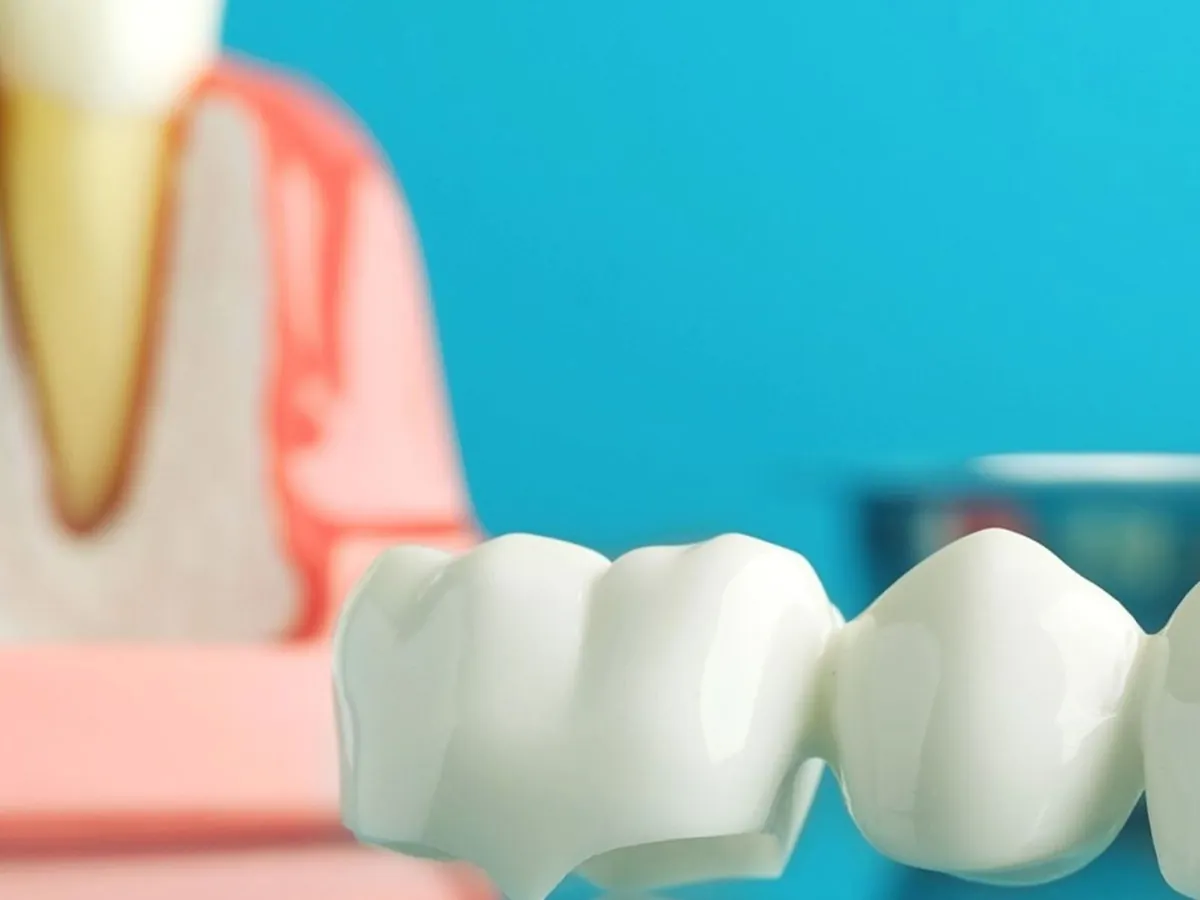
A dental bridge is a fixed false tooth held in place by the teeth or implants on either side of a gap. It replaces one or a few missing teeth. A conventional bridge needs the neighbouring teeth shaped for crowns; a resin-bonded bridge needs little or no drilling. A conventional bridge typically takes two to three visits.
Published by Vita Smile Dental Clinic Sources (6)
Key takeaways
- A bridge anchors a false tooth to the natural teeth or implants beside a gap [1].
- A conventional bridge needs the teeth next to the gap cut down, so it cannot be undone [2]; a resin-bonded bridge needs little or no drilling [1][3].
- In a review of 19 studies, 89.1% of conventional bridges were still in place after 10 years [4].
- 82.9% of resin-bonded bridges were in place at 10 years, but coming unstuck was their most common problem [5].
- Cleaning under the false tooth every day protects the teeth that hold the bridge [1][2].
At a glance
- Replaces
- One or a few missing teeth
- Held by
- Neighbouring teeth or implants
- Removable
- No, fixed in place
- Neighbouring teeth
- Shaped for a conventional bridge; not reversible
- Conventional bridges at 10 years
- 89.1% still in place
- Visits
- At least 2; laboratory 1–2 weeks
Clinically reviewed by
Prosthodontics & Aesthetic Dentistry · Restorative Dental Care
The basics
What is a dental bridge?
A dental bridge replaces one or more missing teeth by anchoring a false tooth, called a pontic, to the teeth or implants on either side of the gap [1]. Unlike a denture, it is fixed in place [2]. It helps you chew and speak and stops nearby teeth drifting into the gap [1]. There are four main designs:
- Conventional bridgeThe teeth next to the gap are shaped and covered with crowns, with the false tooth fixed between them. A dental laboratory makes the bridge, and the dentist then cements it in place [1][2].
- Cantilever bridgeThe false tooth is held from one side only. In long-term studies it failed more often each year than a bridge supported at both ends, 2.20% against 1.14%, so reviews rank it as a second-choice option [6].
- Resin-bonded bridge, also called a Maryland bridge: the false tooth is attached to a neighbouring tooth by a metal wing bonded to its back surface, with little or no drilling [1][3]. It usually replaces a single tooth, often at the front [1][3].
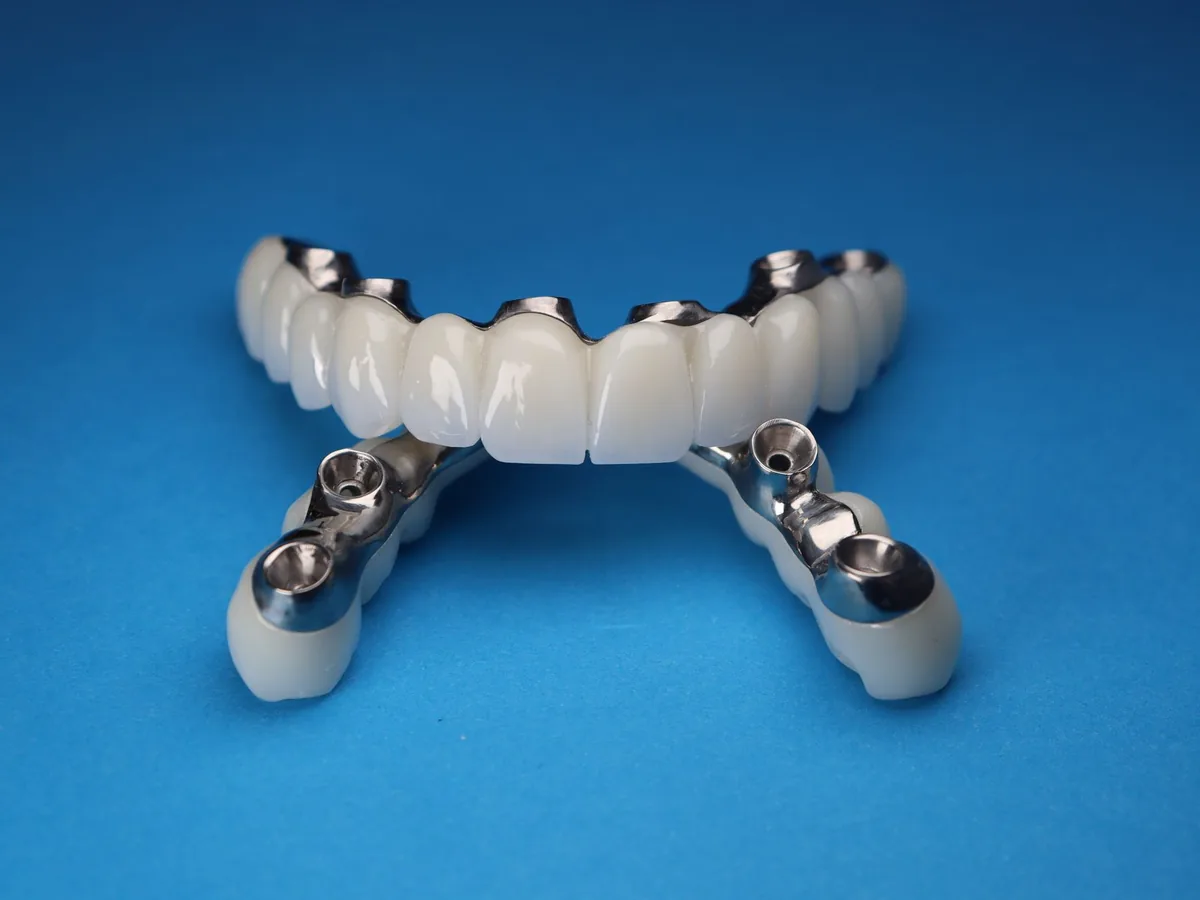
- Implant-supported bridgeThe false teeth are anchored to dental implants instead of natural teeth [1], so no healthy tooth is shaped. When every tooth in a jaw needs replacing, see full-mouth dental implants.
Bridges are made from porcelain bonded to metal or from all-ceramic materials [1][2]; our zirconium crowns page covers zirconia in depth.
Is it right for you?
Who is a dental bridge for?
A bridge suits a gap of one or a few teeth when the teeth beside it are strong and healthy, with good bone and gum support [1][2]. Decay and gum disease are treated first, and teeth that have never had a filling are usually not cut down for a conventional bridge [2].
A bridge is a good fit if
Ask us about alternatives if
- The teeth beside the gap have never been filled: ask about a resin-bonded bridge or a dental implant [2][3]
- You have active decay or gum disease: it is treated first [2]
- A tooth has only just been removed: the gum usually needs around 6 months to heal [1]
- Many teeth are missing: a denture or implants may suit you better [2][3]
Step by step
How a dental bridge is made and fitted
Conventional and resin-bonded bridges both typically take two to three visits [2][3], with X-rays at the start to check the supporting teeth [2].
-
Before you travel
Online consultation
Send photos or a recent X-ray. A dentist reviews them and replies with a personalised plan; the written quote is confirmed after your examination.
-
First visit
Examination and X-rays
X-rays check the teeth that will hold the bridge, and any decay or gum disease is treated first [2]. Your dentist explains which type suits the gap.
-
Second visit
Try-in and fitting
The bridge is tried in for fit and appearance, cemented, and your bite adjusted [2].
The number of visits and the time between them depend on your treatment plan; your dentist confirms them after examining you.
Find out which option suits your gap
Send a few photos or a recent X-ray. A dentist reviews them and replies with a personalised plan, free of charge; the written quote is confirmed after your examination.
Compare your options
Bridge or implant? Four fixed options compared
All four give you a fixed tooth; they differ in what holds it and what happens to the teeth beside the gap. In 10-year studies, resin-bonded bridges failed more often each year than the other three [6].
| Conventional bridge | Resin-bonded bridge | Implant-supported bridge | Single implants | |
|---|---|---|---|---|
| What holds it | Crowns on the teeth either side | A metal wing bonded to a neighbouring tooth | Two or more implants | One implant for each missing tooth |
| Teeth beside the gap | Cut down; not reversible | Little or no drilling; reversible | Left untouched | Left untouched |
| Surgery | No | No | Yes, to place the implants | Yes, to place each implant |
| Typical use | One or a few missing teeth | Usually one missing tooth, often at the front | Several missing teeth in a row | One or more gaps, tooth by tooth |
| Failures per year in 10-year studies | 1.14% | 4.31% | 1.43% | 1.12% |
Yearly failure rates: an analysis of six systematic reviews, studies with 10 years of follow-up [6]. A newer review of resin-bonded bridges found 91.4% in place at 5 years and 82.9% at 10 years, with better results for zirconia frameworks and single-wing designs [5].
Before you decide
Risks, lifespan and care of dental bridges
In a review of 19 studies, 89.1% of conventional bridges were still in place after 10 years [4]. The trade-offs to know before you choose:
- Not reversible: a conventional bridge needs the supporting teeth cut down, so they will always need a covering [2].
- The nerve of a supporting tooth: it can become inflamed and die over time, which then needs root canal treatment or an extraction [2].
- Decay at the supporting teeth: over 10 years, 2.6% of conventional bridges were lost because of decay [4]. Cleaning under the false tooth every day helps protect them [1].
- Coming loose: 6.4% of conventional bridges lost retention within 10 years [4]. Resin-bonded bridges came unstuck more often, 15% within 5 years [5]; if one comes off, keep it, as it can often be re-cemented [3].
- Fractures: porcelain can chip [2]; over 10 years, 3.2% of conventional bridges had a material fracture [4].
- Sensitivity and bite: the teeth may feel sensitive at first, which should settle [2]; a resin-bonded bridge can make the bite feel different for a few weeks [3].
From our dentist
“A gap can be closed well in more than one way, and the neighbouring teeth usually choose for us. Teeth that already carry large fillings or crowns can be restored and joined in one bridge. Untouched teeth make me hesitate before shaping healthy enamel, so we weigh a resin-bonded bridge or an implant. Whatever we choose, I show you how to clean under the false tooth with floss or a small brush, because a bridge is only as healthy as the teeth that hold it.”
Treatment abroad
Choosing a clinic in Turkey for a dental bridge
Whether you have it in Istanbul or at home, a bridge needs X-rays of the supporting teeth, a clear reason for the type chosen, and time for the gum to heal after an extraction [1][2]. Worth asking before you book:
- Why a bridge for my gap, rather than an implant or a resin-bonded bridge?
- Are the teeth on either side healthy enough to carry it, and what do my X-rays show?
- Which material is planned, and is it named in my written quote?
- What happens if the bridge comes loose once I am home?
Bridges at Vita Smile are planned by Dr. Vildan Aktamış, a general dentist who focuses on prosthodontics and who reviewed this page; the material for your case is named in your written quote. For your own plan, start with a free online consultation.
Questions
Dental bridges: frequently asked questions
Can't find your answer? Our coordinators are happy to help on WhatsApp.
Ask on WhatsAppHow much does a dental bridge cost in Turkey?
It depends on the type of bridge, the number of teeth and the materials [1]. After a free online assessment you receive a personalised plan; the written quote is confirmed after your examination. A conventional bridge is built from crowns: see crown prices and packages.
Is a dental bridge better than an implant?
Neither is better for everyone: in 10-year studies, conventional bridges and single implant crowns failed at similar yearly rates, 1.14% and 1.12% [6]. A bridge needs no surgery but means shaping the teeth beside the gap [2]; an implant leaves them untouched but needs enough bone and time to heal.
How long does a dental bridge last?
If looked after well, a conventional bridge can last over 10 years [2]. In reviews, 89.1% of conventional and 82.9% of resin-bonded bridges were still in place at 10 years [4][5].
Is a dental bridge permanent?
Yes, in the sense that you cannot take it out, unlike a denture, and shaping the teeth for a conventional bridge cannot be undone [2]. A resin-bonded bridge is reversible: if it comes off, the tooth underneath is not damaged [3].
How do you clean under a dental bridge?
Brush twice a day with fluoride toothpaste, and clean under the false tooth every day with special floss or interdental brushes [1][2]. Your dentist or hygienist can show you how to clean your bridge [1].
Can a bridge be fitted right after an extraction?
Usually not. The gum needs time to heal after an extraction, which can take around 6 months, and you may be offered a temporary tooth meanwhile [1]. If you are travelling, plan the timing with your dentist.
What our patients say
Read what our patients say about us on Google and Trustpilot.
Free consultation
Free initial consultation
Leave your details and a treatment coordinator will contact you to arrange your free online consultation.
- We get in touchWe reply to you on WhatsApp.
- You share photos or an X-rayA dentist reviews them before your consultation.
- You receive your plan & quoteItemised and free, with no obligation to book.
Sources
Studies and patient guides this page is based on.
- [1] Dental bridges — Oral Health Foundation (updated 17 April 2026) · dentalhealth.org
- [2] Conventional dental bridges — patient information, Bristol Dental School, University of Bristol · bristol.ac.uk
- [3] Resin-bonded bridges — patient information, Bristol Dental School, University of Bristol · bristol.ac.uk
- [4] Tan K, Pjetursson BE, Lang NP, Chan ES. A systematic review of the survival and complication rates of fixed partial dentures (FPDs) after an observation period of at least 5 years. Clinical Oral Implants Research, 2004 · doi.org
- [5] Thoma DS, Sailer I, Ioannidis A, Zwahlen M, Makarov N, Pjetursson BE. A systematic review of the survival and complication rates of resin-bonded fixed dental prostheses after a mean observation period of at least 5 years. Clinical Oral Implants Research, 2017 · doi.org
- [6] Pjetursson BE, Zwahlen M, Lang NP. Quality of reporting of clinical studies to assess and compare performance of implant-supported restorations. Journal of Clinical Periodontology, 2012 (analysis of six systematic reviews of tooth- and implant-supported restorations) · doi.org