
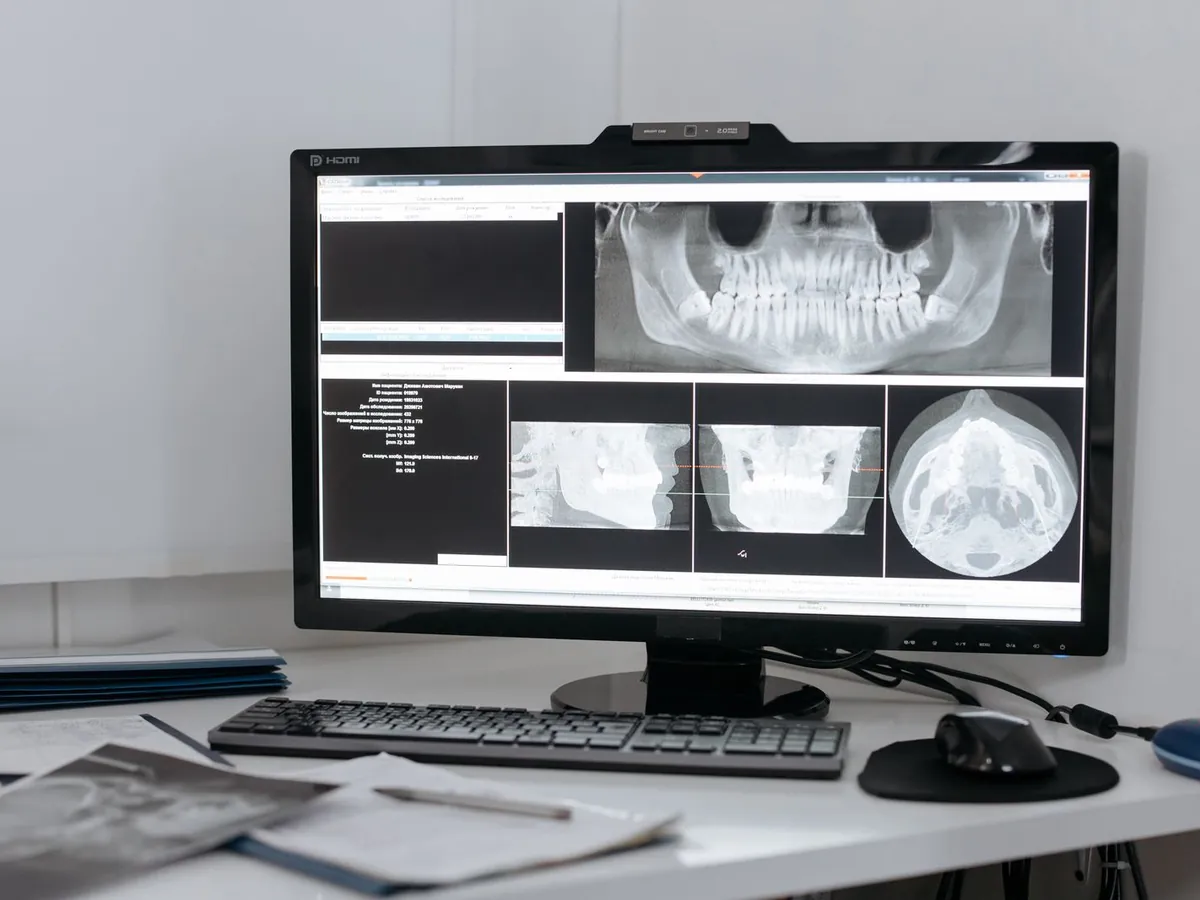
I visited Vita Smile Dental Clinic for implants and a smile makeover, and I couldn’t be happier with the outcome. Dr. Vildan and her team were warm, knowledgeable, and extremely detail-oriented. The clinic itself is spotless and modern, and they made sure I was comfortable every step of the way. They even helped with transportation and accommodation, which made the whole experience stress-free. My new smile looks amazing — I feel more confident than ever. If you're thinking about dental treatment in Turkey, Vita Smile is a fantastic choice. Thank you for everything!
Orthodontics
Invisalign
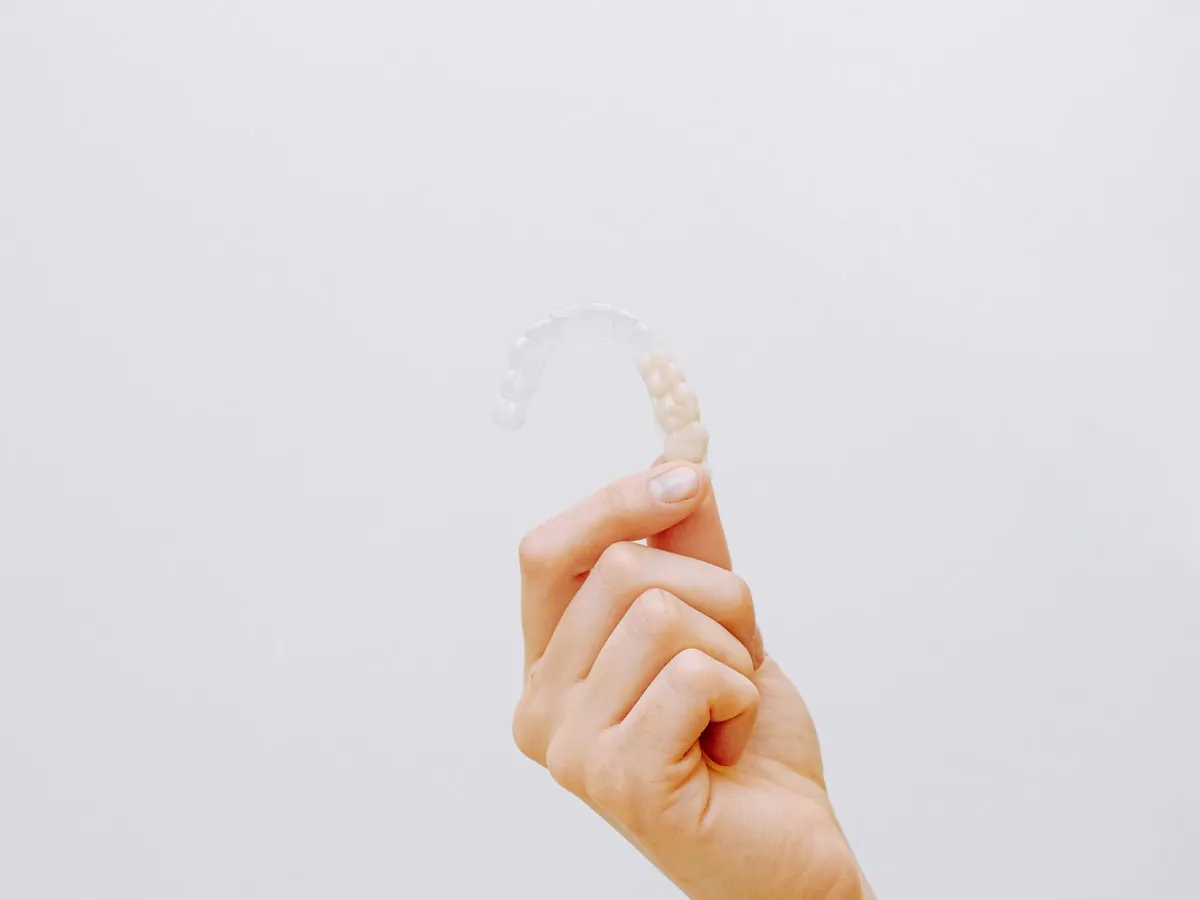
Invisalign is a brand of clear aligner treatment: a series of removable, custom-made plastic trays that move your teeth a little at a time. Each set is worn for 20 to 22 hours a day and changed every one to two weeks. Aligners are mainly used for mild to moderate problems; complex cases may need braces.
Published by Vita Smile Dental Clinic Sources (6)
Key takeaways
- Invisalign aligners are worn 20 to 22 hours a day and changed every one to two weeks, as your dentist directs [2].
- Clear aligners are mainly used for mild to moderate problems; severe crowding, extractions and jaw discrepancies often need other techniques [1].
- In studies that compared them, braces gave better bite results on average [3], while aligners came with slightly healthier gums and less pain in the first days [6].
- Many plans need extra "refinement" aligners, because not every tooth movement is achieved with the first set [5].
- Retainers are needed after any aligner treatment to stop the teeth moving back [1].
At a glance
- Daily wear
- 20–22 hours
- New aligners
- Every 1–2 weeks
- Removable
- To eat and clean
- Mainly for
- Mild to moderate cases
- Afterwards
- Retainers
- At Vita Smile
- Registered Invisalign provider
- Treatment time
- 6 months to 2 years
- Check-ups
- Every 6–8 weeks
Clinically reviewed by
Prosthodontics & Aesthetic Dentistry · Restorative Dental Care
The basics
What is Invisalign?
Invisalign is a clear aligner system: a series of thin, flexible plastic trays that fit closely over your teeth [1]. Each aligner moves the teeth a small distance towards a planned position before you move on to the next [1]. Invisalign is a trademark of Align Technology, the company that makes the aligners; other aligner brands work on the same principle.
The aligners follow a digital plan: your dentist maps out the movement of each tooth, and the aligners are made once you have agreed the plan together [2]. You wear each set for 20 to 22 hours a day and switch to the next every one to two weeks [2].
You take the aligners out to eat and drink, and to brush and floss [2]. That makes cleaning easier than with braces, but the treatment only works while they are in your mouth.
Aligners change the position of your teeth, not their colour or shape. For a brighter smile, ask about teeth whitening when your plan is made. Fixed braces suit a wider range of problems; they are compared below.
Is it right for you?
Who is Invisalign for?
Clear aligners are ideally suited to adults who would find visible braces difficult with their work or lifestyle [1]. They are mostly used for mild to moderate problems, usually without extractions [1]. An orthodontic assessment decides whether aligners alone can reach the result you want [1].
Aligners are a good fit if
Ask us about alternatives if
- Your teeth are severely crowded or need extractions: fixed braces may suit you better [1]
- Your bite problem comes from the size or position of the jaws [1]
- You have a bridge: teeth joined together may not move one by one with aligners [2]
- You have active gum disease: gum treatment comes first
- You also want to change the shape or colour of your front teeth: veneers or composite bonding may follow straightening
Step by step
How Invisalign treatment works
Every aligner treatment follows the same path: an assessment, a digital plan you approve, a series of aligners, often refinements, and retainers at the end [1][2][5].
-
First visit
Assessment
Your teeth, gums and bite are examined, with X-rays where needed. A proper orthodontic assessment is the basis of any aligner plan [1]; decay and gum problems are treated first.
-
First visit
Scan or impression
An accurate scan or impression of your mouth is used to make your customised aligners [1].
-
Before aligners are made
Digital treatment plan
Your dentist maps out how each tooth will move. The aligners are made only once you have both agreed the plan [2].
-
Near the end
Refinements
Not every tooth movement is achieved with the first set [5], so a new scan and a few extra aligners are often used to finish.
Treatment length, visits in Istanbul and check-ups once you are home depend on your plan; your dentist confirms them in writing after examining you.
Find out whether aligners can work for your teeth
Send a few photos of your smile. A dentist reviews them and tells you whether clear aligners fit your case or another option would suit you better, free of charge.
Compare your options
Invisalign vs braces
Both clear aligners and fixed braces can straighten teeth [4]. In studies that compared them, braces achieved better bite results on average [3], while aligners came with slightly healthier gums and less pain in the first days [6]. Your dentist recommends one after examining you.
| Invisalign (clear aligners) | Fixed braces | |
|---|---|---|
| What it is | Removable clear plastic trays | Brackets and wires fixed to the teeth |
| Daily wear | 20–22 hours; out to eat and clean | In place all the time |
| Mainly used for | Mild to moderate problems | A wider range, including complex cases |
| Bite and finishing detail | Less precise on average in studies | More precise on average in studies |
| Treatment time | Similar, or shorter in one review | Similar, or longer in one review |
| Cleaning your teeth | Easier: the aligners come out | Harder around brackets and wires |
| First days of treatment | Less pain on average | More pain on average |
| Depends on you | Yes: works only while worn | Less: always in place |
| Afterwards | Retainers needed | Retainers needed |
Bite results: a review of 11 studies with 887 patients [3]. Treatment time: shorter with aligners in a review of 8 studies [4], no significant difference in the other review [3]. Gum health and pain: a review of 32 studies [6]. Wear time: Invisalign [2]; suitability: British Orthodontic Society [1].
Before you decide
Risks, limits and aftercare
Clear aligners are well studied [3][4], but they are not the right tool for every bite. Where aligners can fall short:
- Results depend on wearAligners only move teeth while they are in your mouth, so they need to be worn 20 to 22 hours a day [2].
- Not every movement is predictableMost tooth movements may not be fully achieved with a single set of aligners, so refinements are common [5].
- Bite detailIn comparative studies, braces did better at producing good contacts between the teeth and at controlling tooth tilt (torque) [4].
- Pressure and speechMany people feel pressure for the first few days of each new set, and some have a slight lisp for a couple of days [2].
- HygieneBrush your teeth after every meal before putting the aligners back, or trapped food can stain them [2].
- RelapseWithout retainers, teeth tend to drift back towards their old position [1][2].
Clean the aligners with a soft toothbrush and a little toothpaste, take them out for meals, snacks and chewing gum, and avoid smoking, which stains them [2]. If you lose or break one, contact your dentist straight away [2].
From our dentist
“When I look at an aligner plan, straight teeth are only half of what I check; the bite has to work too. The gums, the existing fillings and crowns and the way the teeth meet need to be right before aligners are ordered, and the digital plan should be gone through with you movement by movement. Some movements are harder for aligners, and you should hear that before you start, together with what daily wear time and retainers ask of you.”
Treatment abroad
Choosing a clinic for Invisalign in Turkey
Aligner treatment is a course, not a single appointment: someone has to check that your teeth are following the plan. If you live abroad, how that follow-up works matters as much as the first visit.
Before you book, ask:
- Is the clinic a registered Invisalign provider, and is my dentist Invisalign-trained? Not every dentist is, and Invisalign's own doctor locator lists trained doctors [2].
- Who examines me, and what is that dentist's training in orthodontics?
- Will I see and approve my digital treatment plan before the aligners are ordered?
- How many visits do I need in Istanbul, and how are check-ups done once I am home?
- Are refinement aligners and retainers included, or charged separately?
- What happens if an aligner is lost or broken, or my teeth stop following the plan?
Two answers we can give now: Invisalign treatment at Vita Smile is provided by Dr. Saffet Ekinci, a registered Invisalign provider, and the clinic is licensed by the Turkish Ministry of Health. Ask us the rest in a free online consultation; the clinical content of this page is reviewed by Dr. Vildan Aktamış, a dentist with clinical orthodontics training (levels 1–3).
Questions
Invisalign: frequently asked questions
Can't find your answer? Our coordinators are happy to help on WhatsApp.
Ask on WhatsAppHow much does Invisalign cost in Turkey?
The cost depends on how complex your case is and how many aligners you need [2], and on whether refinements and retainers are included. After a free online assessment you receive a personalised plan and a written quote; check what it covers before you travel.
Which country is Invisalign cheapest in?
Prices vary between countries and clinics, so there is no single answer. Compare more than the price: who plans your treatment, what is included, and how check-ups work once you are home.
What is the 30 minute rule for Invisalign?
It is informal advice, not a clinical rule: take your aligners out only for meals and cleaning, and put them back within about 30 minutes. The aim is to keep them in for the 20 to 22 hours a day that Invisalign recommends [2]. Brush your teeth before you put them back [2].
How much is 4 months of Invisalign?
Invisalign is not priced by the month. The cost depends on how complex your case is and how many aligners you need [2]. A short treatment is only possible when the corrections are small; your dentist can judge that after an assessment and a digital plan.
How long does Invisalign treatment take?
It depends on how far your teeth need to move, and your dentist gives you an estimate from your digital plan. Studies disagree on whether aligners are faster than braces: one review found shorter treatment with aligners [4], another found no significant difference [3]. Refinement aligners can add time [5].
What our patients say
Read what our patients say about us on Google and Trustpilot.
Free consultation
Free initial consultation
Leave your details and a treatment coordinator will contact you to arrange your free online consultation.
- We get in touchWe reply to you on WhatsApp.
- You share photos or an X-rayA dentist reviews them before your consultation.
- You receive your plan & quoteItemised and free, with no obligation to book.
Sources
Studies and patient guides this page is based on.
- [1] Clear aligners — patient information, British Orthodontic Society · bos.org.uk
- [2] Invisalign aligners FAQs — Invisalign UK (Align Technology) · invisalign.co.uk
- [3] Papageorgiou SN, Koletsi D, Iliadi A, Peltomaki T, Eliades T. Treatment outcome with orthodontic aligners and fixed appliances: a systematic review with meta-analyses. European Journal of Orthodontics, 2020 · doi.org
- [4] Ke Y, Zhu Y, Zhu M. A comparison of treatment effectiveness between clear aligner and fixed appliance therapies. BMC Oral Health, 2019 · pmc.ncbi.nlm.nih.gov
- [5] Robertson L, Kaur H, Fagundes NCF, Romanyk D, Major P, Flores-Mir C. Effectiveness of clear aligner therapy for orthodontic treatment: A systematic review. Orthodontics & Craniofacial Research, 2020 · doi.org
- [6] Kaur K, Quadri SA, Saini RS, Alarcón-Sánchez MA, Heboyan A. Comparative impact of clear aligners versus fixed orthodontic appliances on periodontal health, pain, and quality of life: a systematic review and meta-analysis. BDJ Open, 2026 · doi.org