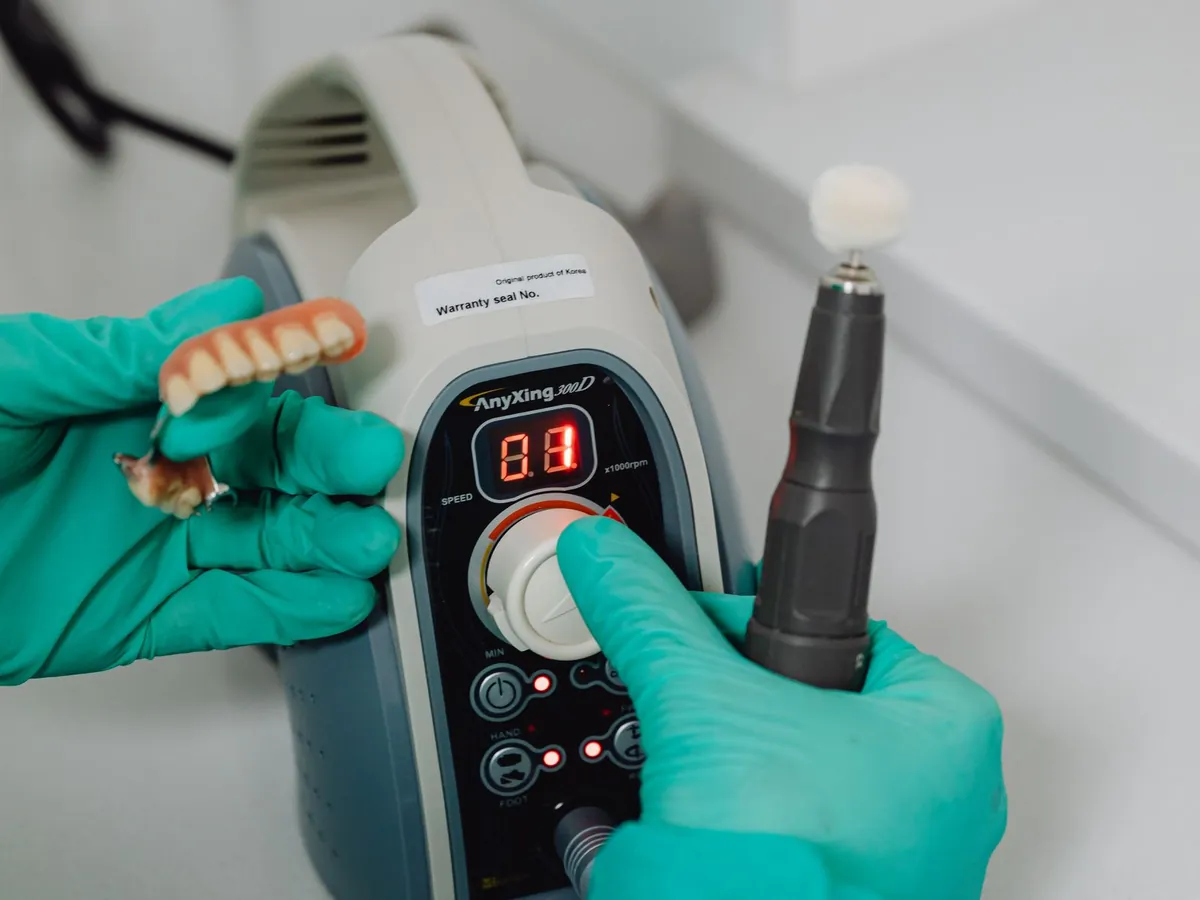

I visited Vita Smile Dental Clinic for implants and a smile makeover, and I couldn’t be happier with the outcome. Dr. Vildan and her team were warm, knowledgeable, and extremely detail-oriented. The clinic itself is spotless and modern, and they made sure I was comfortable every step of the way. They even helped with transportation and accommodation, which made the whole experience stress-free. My new smile looks amazing — I feel more confident than ever. If you're thinking about dental treatment in Turkey, Vita Smile is a fantastic choice. Thank you for everything!
Restorative dentistry
Dental Crowns
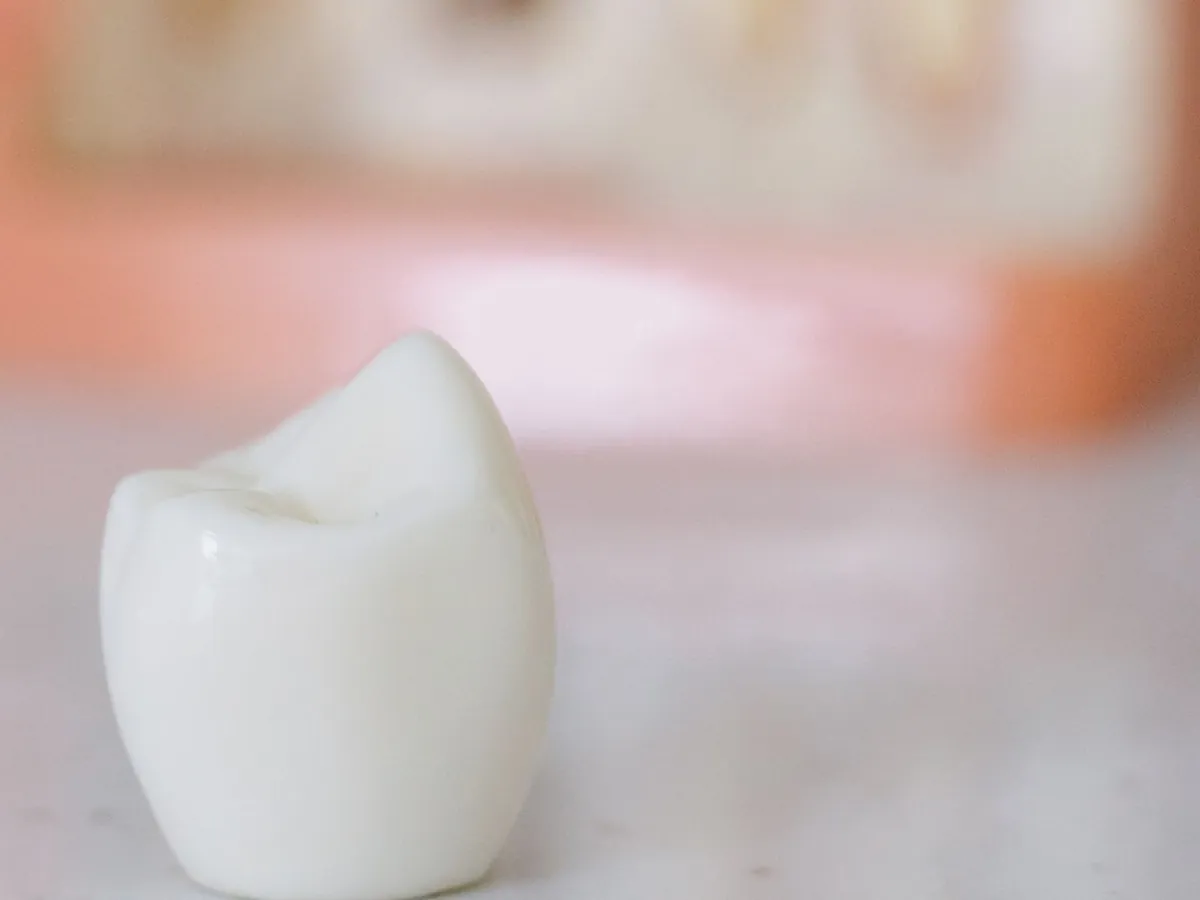
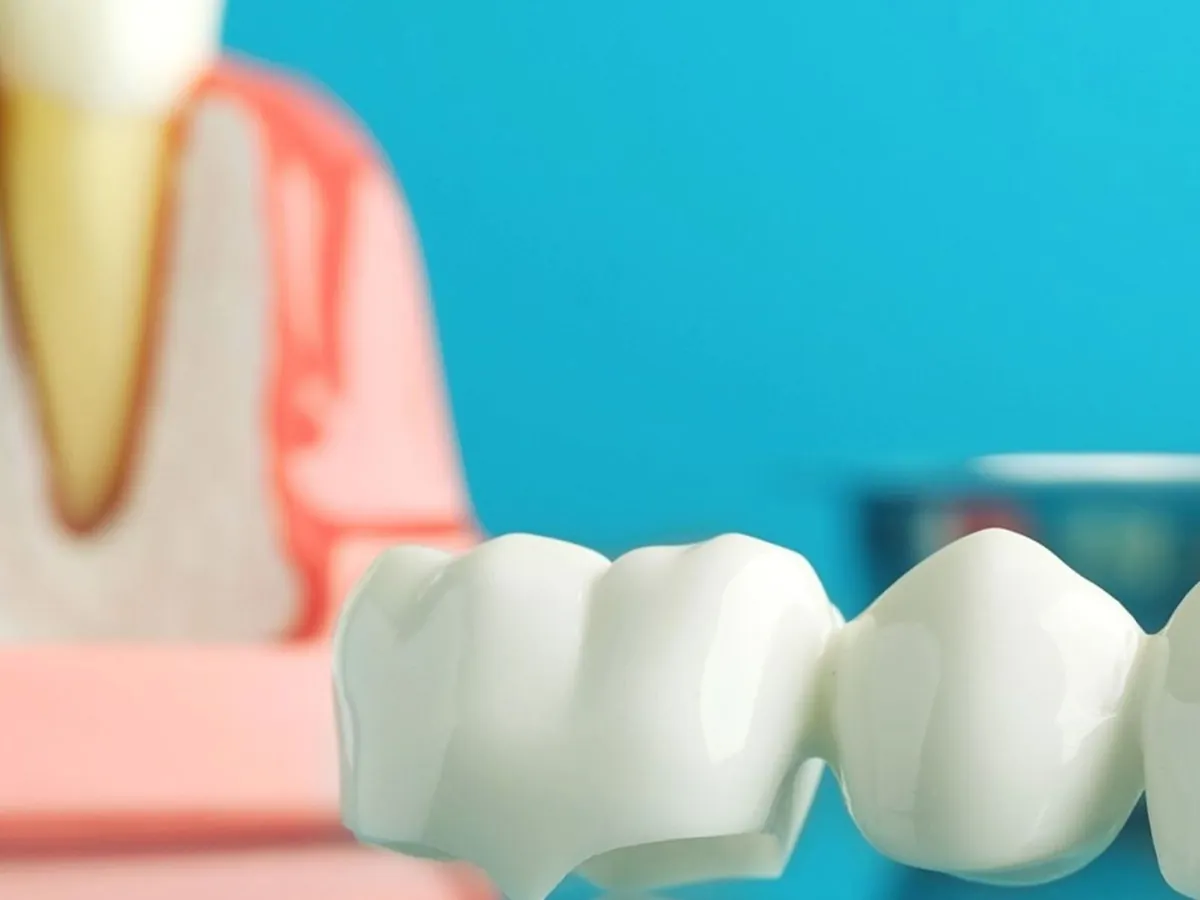
A dental crown is a custom-made cap that fits over a tooth to restore its shape, strength and appearance. Crowns protect teeth that are broken, heavily filled, root-treated, cracked or worn, and they also cover dental implants and hold bridges. In most cases fitting takes two visits, with a temporary crown in between.
Published by Vita Smile Dental Clinic Sources (6)
Key takeaways
- A crown restores a broken, heavily filled, root-treated, cracked or worn tooth, and can cover an implant or hold a bridge [1][2].
- In most cases it takes two visits, with a temporary crown in between [1][3].
- In a 2026 review of 64 studies, 96.8% to 98.5% of monolithic zirconia, metal-ceramic and monolithic lithium disilicate (e-max) crowns were still in place at five years [4].
- Some tooth is always removed, so a crown cannot be undone; a filling or an onlay sometimes keeps more of the tooth [3][5].
- With good care, a crown should normally last around 8 to 10 years, according to an NHS dental hospital [3].
At a glance
- Covers
- The whole visible tooth
- Fitted on
- Natural teeth or implants
- Materials
- Zirconia, e-max, metal-ceramic, gold
- Tooth preparation
- Shaped; not reversible
- Typical lifespan
- 5–10 years or longer, with good care
- Visits
- At least 2; laboratory 1–2 weeks
- At Vita Smile
- VITA zirconia, IPS e.max (Ivoclar)
Clinically reviewed by
Prosthodontics & Aesthetic Dentistry · Restorative Dental Care
The basics
What is a dental crown?
A crown, sometimes called a cap, is a custom-made cover that fits over the remaining part of a tooth and restores its shape, strength and appearance [1]. Once cemented, it works like a natural tooth [1].
The American Dental Association lists the main reasons for a crown: to strengthen a tooth whose large filling has too little tooth left to hold it, to protect a weak tooth or restore a broken one, to attach a bridge, and to cover a dental implant [2]. If a badly broken tooth has a strong root, a small post can hold the crown [1].
How a crown compares with other restorations:
- FillingRepairs part of the tooth; when too little tooth is left to hold one, a crown can strengthen it [2].
- OnlayCovers the biting surface, including the cusps, and keeps more of the tooth. For root-treated back teeth, a 2024 review of 11 studies found onlays favourable compared with crowns in the short to medium term [5].
- VeneerA thin shell on the front surface only, which removes less tooth than a crown [3]. See dental veneers.
After root canal treatment, a tooth may have a large filling and be weakened [3], and a crown is a common way to protect it [1]. The evidence comparing crowns with fillings on root-filled teeth is thin, though: a Cochrane review found one small trial and could not say which is better [6]. Your dentist decides from how much of the tooth is left.
Is it right for you?
When do you need a dental crown?
A crown suits a tooth that needs full coverage: one that is badly damaged, weakened by a large filling, root-treated, worn or cracked [1]. It also covers implants and holds bridges [2]. It may not suit teeth with few fillings, or a mouth with poor oral hygiene, frequent decay or active gum disease [3].
A crown is a good fit if
Ask us about alternatives if
- The tooth has only small fillings: a filling or an onlay may keep more of it [3][5]
- Only the look of a healthy front tooth bothers you: a veneer removes less tooth [3]
- You have active gum disease or a lot of decay: it is treated first [3]
- You clench or grind: tell your dentist, as it changes the plan [3]
- Most of your teeth need crowns: see full mouth porcelain crowns or full mouth zirconia crowns
Step by step
How a dental crown is made and fitted
In most cases a crown takes two visits: one to shape the tooth and take a scan or impression, and one to fit the finished crown [1]. Some ceramic crowns are made and fitted in a single visit [1]; your dentist tells you which applies to you.
-
Before you travel
Online consultation
Send photos or a recent X-ray; a dentist replies with a personalised plan and a written quote.
-
First visit
Examination and plan
Your dentist checks the tooth, gums and bite, treats any decay or gum disease first [3], and discusses whether a crown, onlay or filling suits the tooth.
-
First visit
Shaping and scan
The tooth is shaped to make space for the crown and recorded with a scan or impression [1]. You choose the shade together.
-
Second visit
Fitting
The new crown is checked for fit, comfort and shade, then cemented permanently [1].
The number of visits and the time between them depend on your treatment plan; your dentist confirms them after examining you.
Find out whether your tooth needs a crown
Send a few photos or a recent X-ray. A dentist reviews them and replies with a personalised plan and a written quote, free of charge.
Compare your options
Dental crown materials compared
Crowns are made from ceramic, metal or both [1]. In a 2026 review, zirconia and lithium disilicate (e-max) crowns reached five-year survival comparable to metal-ceramic crowns [4]. Our zirconium crowns page covers zirconia in depth.
| Zirconia | Lithium disilicate (e-max) | Porcelain-fused-to-metal | Gold alloy | |
|---|---|---|---|---|
| Material | Zirconium oxide ceramic | Glass-ceramic | Metal base covered with tooth-coloured porcelain | Gold mixed with other metals |
| Metal-free | Yes | Yes | No | No |
| Colour | Tooth-coloured | Tooth-coloured | Tooth-coloured porcelain over metal | Gold or silver |
| Typical use | Strong enough for all areas of the mouth | Strong enough for all areas of the mouth | Where strength and a natural look are both needed | Usually back teeth that do not show in the smile |
| Design | Monolithic or layered with porcelain | Monolithic or layered with porcelain | Porcelain layered over metal | Solid metal |
| Survival at 5 years | 96.8% monolithic, 97.3% layered | 98.5% monolithic, 95.7% layered | 97.1% | Not assessed in this review |
Survival: a 2026 systematic review of 64 studies of single crowns on natural teeth; monolithic designs had significantly fewer fractures and chips than layered ones [4]. Materials and use: Oral Health Foundation [1] and Leeds Teaching Hospitals NHS Trust [3].
Before you decide
Risks, lifespan and care of dental crowns
Crowns are well studied [4], but every crown is a permanent decision. Points to weigh before any tooth is shaped:
- Not reversible: the tooth is shaped and some tooth structure is removed, more for some designs than others [1][3].
- Chipping and fracture: layered porcelain can chip; monolithic zirconia and lithium disilicate crowns had significantly fewer fractures and chips [4].
- Grinding: clenching or grinding can make a crown unsuitable [3], so tell your dentist before the plan is made.
- Over-treatment: an NHS dental hospital lists teeth with few fillings among the cases where a crown may not be suitable [3].
- The tooth underneath: brushing, cleaning between the teeth and limiting sugar help preserve both the crown and your tooth [3].
How long will a crown last? With good care, a crown can last for many years [1]; Leeds Teaching Hospitals NHS Trust puts it at around 8 to 10 years, depending on check-ups, cleaning and a low-sugar diet [3]. Your dentist can tell you how long yours is likely to last [1].
From our dentist
“A crown always means shaping the tooth, so I choose one only when a filling or an onlay can no longer protect it. When it is the right choice, the gum line, the bite and the neighbouring teeth decide its shape and shade as much as the material does. And because a crown is only as healthy as the tooth underneath, cleaning along its edge every day is part of the treatment.”
Treatment abroad
Choosing a clinic in Turkey for dental crowns
Every crown removes tooth structure for good, so the most important question is whether each one is needed. Before you book, ask:
- Why does each tooth need a crown, and would a filling, onlay or veneer do instead?
- Which material is planned for each tooth, and is it named in my written quote?
- How many appointments do the crowns need, and does my stay leave time for the laboratory work?
- What aftercare is included, and what happens if a crown chips or comes loose at home?
Our answers at Vita Smile: the materials for your case are named in your written quote, and crowns are designed digitally, made by our partner dental laboratory, then fitted and shade-matched in the clinic. Zirconia crowns use VITA zirconia and come with a written 10-year warranty against manufacturing and workmanship defects, provided you attend your check-ups. This page is reviewed by Dr. Vildan Aktamış; the checks that apply to any treatment abroad are in our guide to preparing for dental treatment in Turkey.
Questions
Dental crowns: frequently asked questions
Can't find your answer? Our coordinators are happy to help on WhatsApp.
Ask on WhatsAppHow much do dental crowns cost in Turkey?
It depends on how many teeth need crowns, the material for each and any treatment needed first. After a free online assessment you receive a written quote that names the materials, so you know the expected cost before you travel. The quote is confirmed after your examination at the clinic. See crown prices and packages.
Is it worth getting dental crowns in Turkey?
Turkey can be a good choice when every crown in the plan has a clear reason and you are examined at a licensed clinic before any tooth is shaped. Be wary of plans that crown teeth with few fillings: a crown may not suit them [3], and shaping cannot be undone [1].
How long does it take to get crowns in Turkey?
In most cases a crown takes two visits: one to shape the tooth and take a scan or impression, and one to fit the finished crown [1]. The time between them depends on the laboratory work, the number of teeth and any treatment needed first; your written plan states the length of your stay.
How long do dental crowns last?
Most crowns last 5 to 10 years or longer, depending on the material and how well they are cared for: Leeds Teaching Hospitals NHS Trust gives around 8 to 10 years with good care [3]. Studies mostly report five-year results: in a 2026 review, 96.8% to 98.5% of monolithic zirconia, metal-ceramic and monolithic lithium disilicate crowns were still in place [4].
Which crown material is right for me?
It depends on the tooth. Ceramic crowns such as zirconia and lithium disilicate (e-max) are metal-free and strong enough for all areas of the mouth [1]; gold is very durable and usually used on back teeth [1]. Your dentist recommends one after checking the tooth, your bite and how much it shows.
What our patients say
Read what our patients say about us on Google and Trustpilot.
Free consultation
Free initial consultation
Leave your details and a treatment coordinator will contact you to arrange your free online consultation.
- We get in touchWe reply to you on WhatsApp.
- You share photos or an X-rayA dentist reviews them before your consultation.
- You receive your plan & quoteItemised and free, with no obligation to book.
Sources
Studies and patient guides this page is based on.
- [1] What are dental crowns? — Oral Health Foundation · dentalhealth.org
- [2] Crowns — MouthHealthy, American Dental Association · mouthhealthy.org
- [3] Crowns — Leeds Dental Institute, Leeds Teaching Hospitals NHS Trust (patient information, reviewed 2025) · leedsth.nhs.uk
- [4] Pjetursson BE, Pitta J, Balet A, Bjarnadottir GR, Sailer I, Romandini P. A Systematic Review and Meta-analysis Evaluating the Survival, Failure, and Complication Rates of Metal-Ceramic, Veneered, and Monolithic All-Ceramic Tooth-Supported Single Crowns — Part 1. International Journal of Prosthodontics, 2026 · doi.org
- [5] Lane J, Sadeghzadeh-Araghi A, Jackson G, Bonsor S. Survival and Success Rates of Endodontically Treated Teeth Restored with Full Veneer Crowns or Full Cuspal Coverage Onlays: A Systematic Review. European Journal of Prosthodontics and Restorative Dentistry, 2024 · pubmed.ncbi.nlm.nih.gov
- [6] Sequeira-Byron P, Fedorowicz Z, Carter B, Nasser M, Alrowaili EF. Single crowns versus conventional fillings for the restoration of root-filled teeth. Cochrane Database of Systematic Reviews, 2015 · doi.org