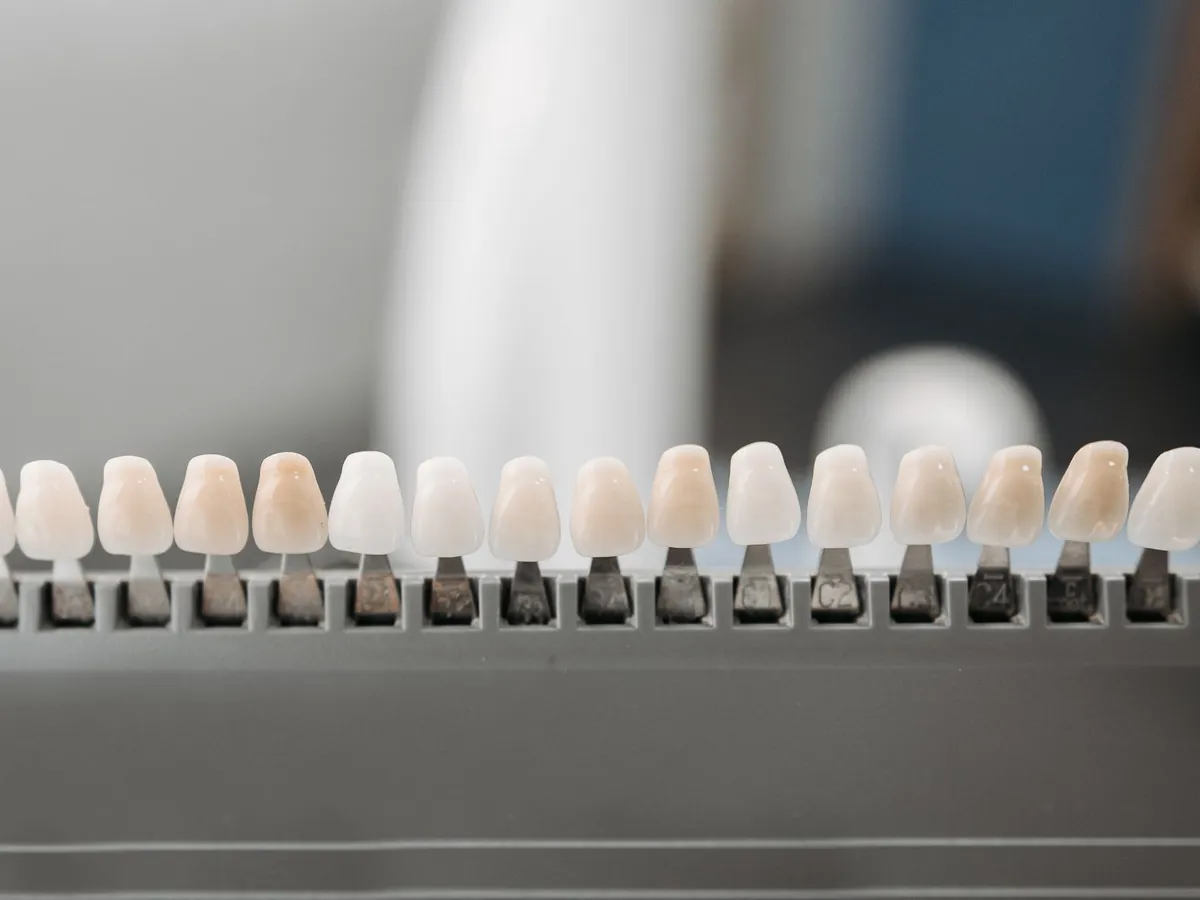

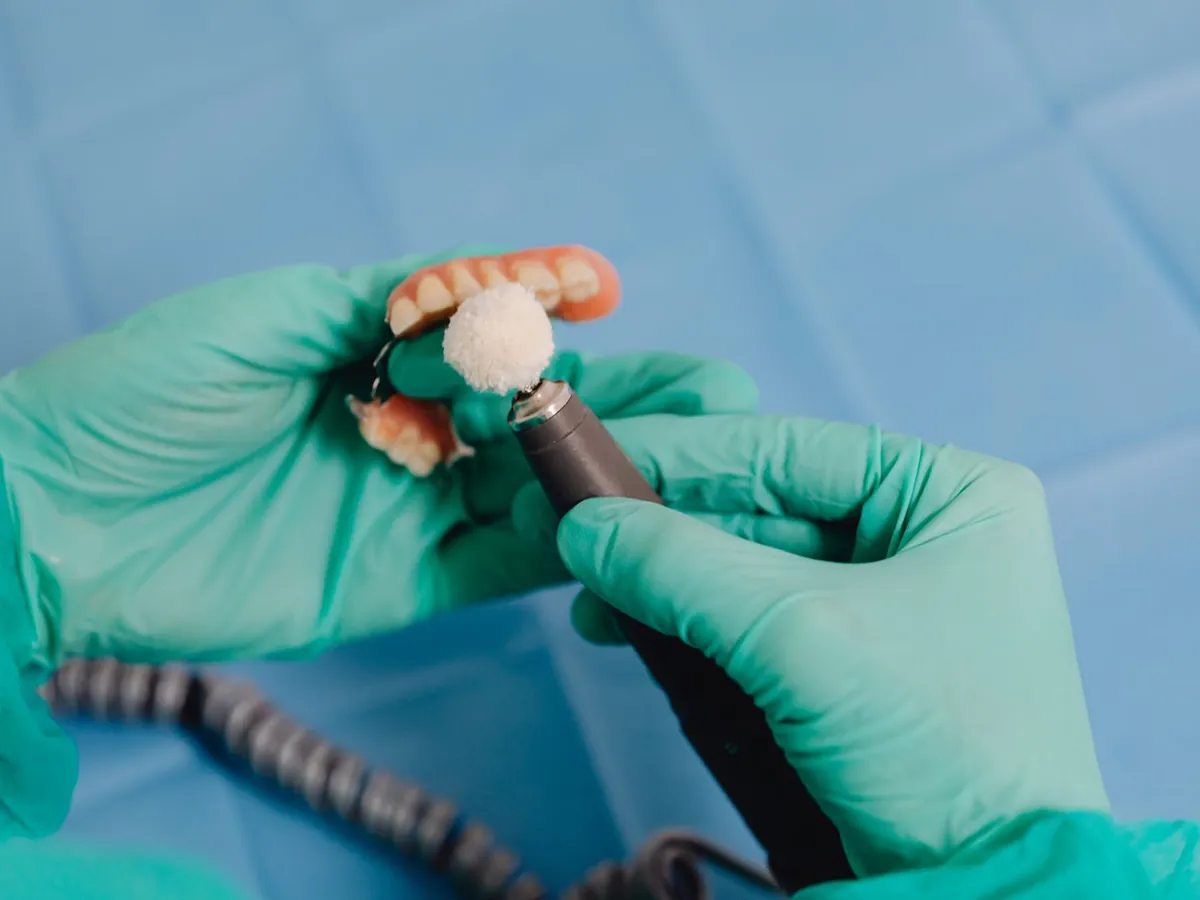
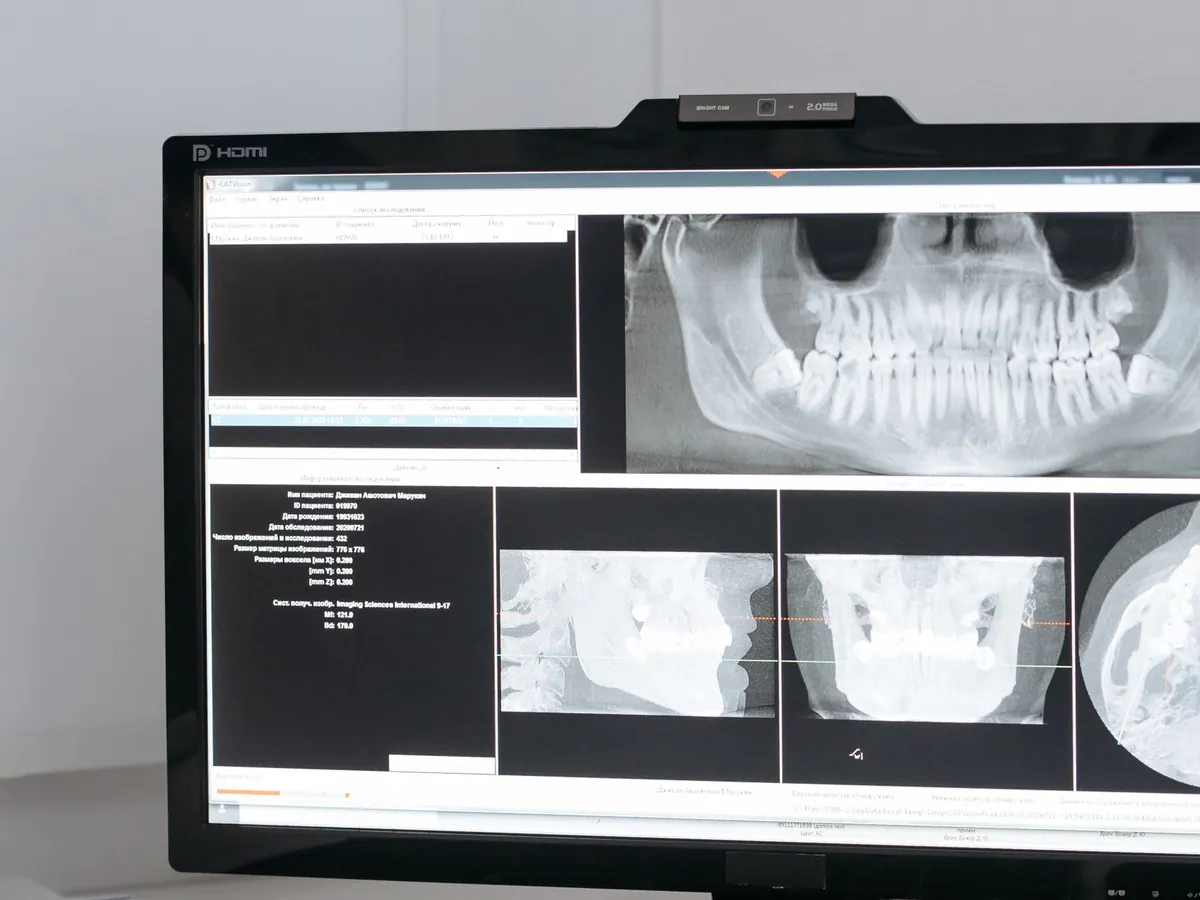
I visited Vita Smile Dental Clinic for implants and a smile makeover, and I couldn’t be happier with the outcome. Dr. Vildan and her team were warm, knowledgeable, and extremely detail-oriented. The clinic itself is spotless and modern, and they made sure I was comfortable every step of the way. They even helped with transportation and accommodation, which made the whole experience stress-free. My new smile looks amazing — I feel more confident than ever. If you're thinking about dental treatment in Turkey, Vita Smile is a fantastic choice. Thank you for everything!
Cosmetic dentistry
Dental Veneers
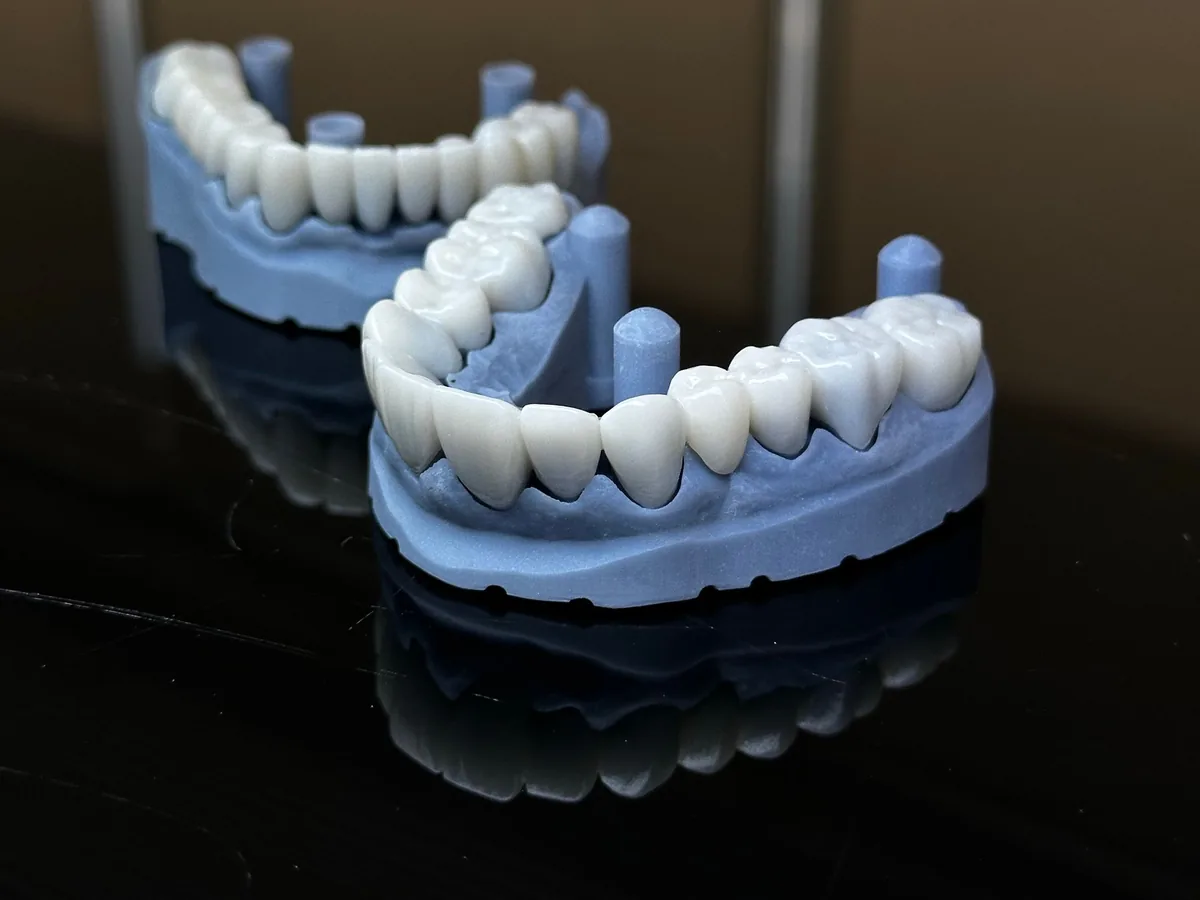
Dental veneers are thin, custom-made shells of porcelain (such as e-max) or composite that are bonded to the front of your teeth to change their colour, shape and length. They suit healthy teeth that are stained, chipped, worn or slightly uneven. Porcelain veneers usually need two appointments about a week apart.
Published by Vita Smile Dental Clinic Sources (5)
Key takeaways
- Veneers change the colour and shape of healthy front teeth; they do not treat decay, gum disease or bite problems [1].
- Porcelain veneers last well: a review of 25 studies estimated that 95.5% were still in place after 10 years [3].
- Porcelain needs a small amount of enamel removed, so the treatment cannot be reversed [1].
- Composite veneers need little or no preparation and are easier to repair, but stain more easily [1][5].
- A proper examination, a digital smile preview and a written plan should come before any tooth is prepared.
At a glance
- Treatment time
- Usually 5–7 days
- Visits
- 2 appointments
- Anaesthesia
- Local, if needed
- Materials
- E-max or composite
- Porcelain at 10 years
- 95.5% still in place
- Back to work
- Same or next day
Clinically reviewed by
Prosthodontics & Aesthetic Dentistry · Restorative Dental Care
The basics
What are dental veneers?
A veneer is a thin covering fixed to the front surface of a tooth, much like a false nail over a natural one [2]. Once it is bonded, it becomes the visible surface of that tooth: it sets the colour, the shape and the length you see when you smile.
The American Dental Association lists the problems veneers are used for: teeth that are chipped or broken, stained, crooked or misshapen [1]. They are a cosmetic treatment. Decay, gum disease and bite problems are treated first, so the veneers sit on a healthy base.
There are two main materials:
- Porcelain veneers, such as e-max veneers, are made in a dental laboratory from a scan or impression. They are strong, look natural and resist staining.
- Composite veneers use tooth-coloured filling material shaped directly on the tooth, often in a single visit. Applied to one or two teeth, the same technique is called composite bonding.
How many veneers you need depends on how many teeth show when you smile. Your dentist plans the number from photos and your smile line, which is why a digital smile design usually comes first.
Is it right for you?
Who are veneers for?
Veneers suit adults whose front teeth are healthy but stained, chipped or misshapen [1], or slightly uneven or gapped, especially when whitening has not helped. They are a cosmetic treatment: decay and gum disease are treated first, crowded teeth or bite problems may need orthodontics, and heavily filled teeth are often better protected by a crown.
Veneers are a good fit if
- Your teeth are discoloured and teeth whitening has not helped
- You have small chips, cracks or worn edges
- There are small gaps between your front teeth
- Your front teeth are slightly uneven or different sizes
- Your gums and teeth are otherwise healthy
Ask us about alternatives if
- Your teeth are heavily crowded or your bite is off: orthodontics may come first
- A tooth is heavily filled or root-treated: a crown protects it better
- You grind or clench at night: plan a night guard with your dentist
- You have active gum disease or decay: it is treated before any cosmetic work
Step by step
How veneer treatment works
Porcelain veneers need at least two visits: one to prepare the teeth and take the impression, one to fit and bond the finished veneers [2].
-
Before you travel
Online consultation
Send photos or a recent X-ray. A dentist reviews them and sends a personalised plan with a written quote, which is confirmed after your examination at the clinic.
-
Day 1
Examination and smile design
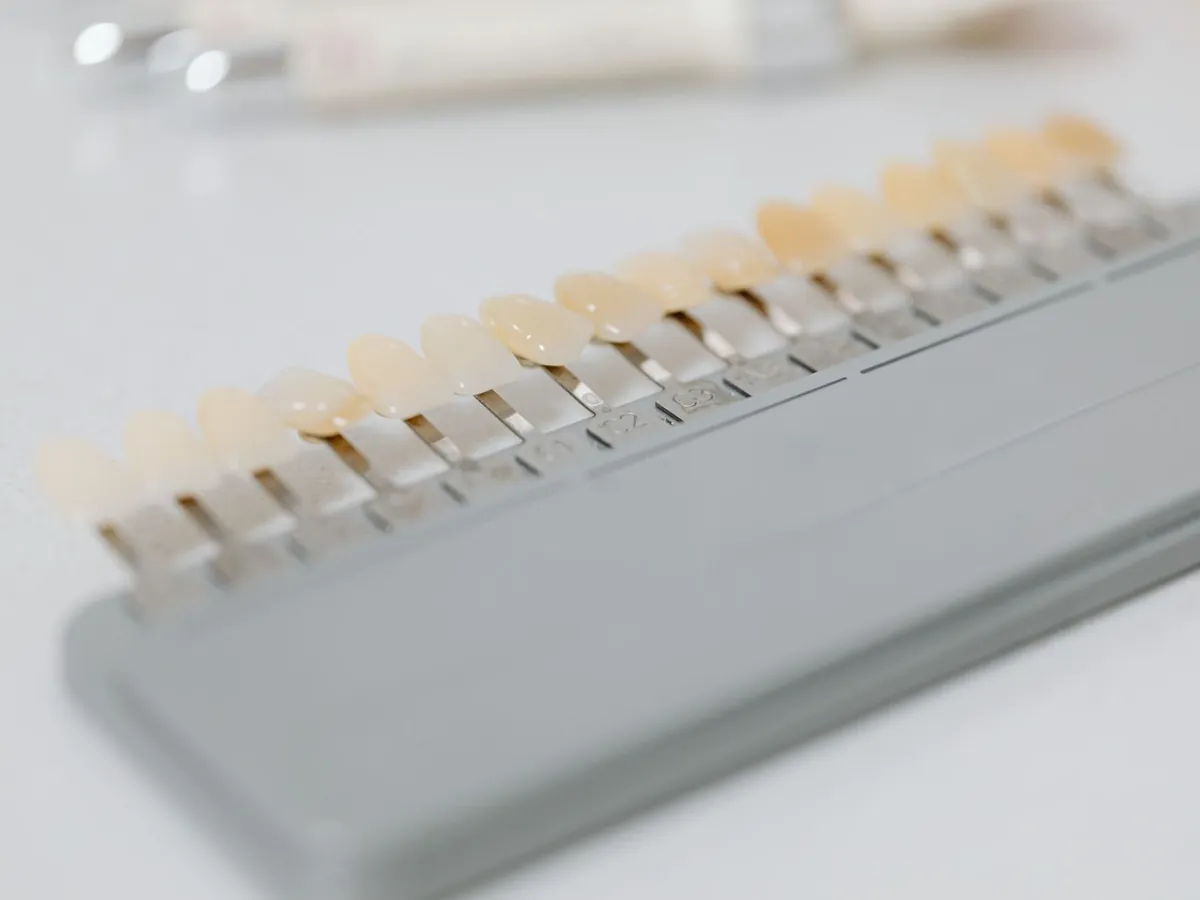
Check-up, X-rays and a digital scan. You see the planned shape and shade before any tooth is prepared.
-
Day 1–2
Preparation and temporaries
A thin layer of enamel is removed from the front surface of the teeth [1], impressions or scans are taken, and temporary veneers are fitted.
-
Day 2–5
Laboratory work
The laboratory makes your porcelain veneers to the approved design while you rest or explore Istanbul.
-
Day 5–7
Try-in and bonding
Fit, colour and bite are checked with you, then the veneers are bonded with dental adhesive and polished [2].
-
At home
Aftercare and follow-up
You leave with written care instructions and stay in contact with your dentist for questions and check-ups.
Timelines vary with your teeth and the treatment plan; your dentist confirms them after examining you.
See your new smile before you decide
Send a few photos of your smile. A dentist reviews them and replies with a personalised plan and a written quote, free of charge. The quote is confirmed after your examination at the clinic.
Compare your options
E-max porcelain vs composite veneers
E-max porcelain resists staining and has the longer evidence base, with 95.5% of porcelain veneers still in place at 10 years [3]. Composite needs little or no enamel removal, often takes one visit and is easier to repair, but stains more easily [1][5]. Both can look natural; your dentist recommends one after examining your teeth.
| E-max porcelain | Composite | |
|---|---|---|
| How it is made | In a dental laboratory | Shaped directly on the tooth |
| Visits | At least 2 | Often 1 |
| Enamel removal | A small amount | Little or none |
| Stain resistance | High | Lower: can discolour over time |
| Evidence on survival | 95.5% estimated at 10 years | 88% in randomised trials |
| If it chips | Usually replaced | Often repaired in one visit |
Survival figures: porcelain from a systematic review of 25 studies [3]; composite from a review of 7 studies (mean follow-up 24–97 months), 88% in its randomised trials [5]. Material properties: ADA [1].
Lifespan and care
How long do veneers last?
Porcelain veneers have strong long-term evidence: in a review of 25 studies, an estimated 95.5% were still in place after 10 years [3]. Glass-ceramics such as e-max did better than feldspathic porcelain, and composite veneers have shorter follow-up [4][5]. Teeth grinding was the clearest risk factor [3].
Care is simple: brush twice a day, clean between your teeth, avoid biting hard objects, wear a night guard if you grind, and keep your check-ups [1][2]. Our guide how long veneers last covers the research, the risk factors and the signs that a veneer needs attention.
From our dentist
“You should see your new smile before I prepare a single tooth. We design the shape and shade digitally, look at it together and refine it until it feels like you; only then are the veneers made. For many patients I recommend e-max porcelain because it keeps its colour, but when the teeth need only small corrections, bonding or whitening can be the gentler route. A good veneer looks like your own tooth, and your bite has to feel right, not only your smile.”
Before you decide
Risks and downsides of veneers
Veneers are well studied [3][4][5], but they are a permanent decision. What to weigh before you commit:
- Not reversiblePorcelain veneers need a small amount of enamel removed from the front and sides of the tooth, so the tooth will always need a covering [1].
- Chipping and debondingVeneers can chip, crack, wear or come loose over time and may need to be re-bonded, repaired or replaced [1][2].
- SensitivitySome patients notice sensitivity to hot and cold for a few days after preparation. Tell your dentist if it lasts.
- Decay can still happenCavities can form at the edges of a veneer, so cleaning between the teeth stays essential [1].
- Colour is fixedPorcelain keeps the shade it was made in. Whiten your natural teeth before the veneer shade is chosen.
If several back teeth are worn or heavily filled, zirconium crowns or a full Hollywood smile plan may suit you better. Your dentist explains the options before anything is prepared.
Treatment abroad
Getting veneers in Turkey: what to check first
Veneers remove a layer of enamel that does not grow back, so the number of teeth and the design deserve more of your questions than the price. Before you book, ask:
- Which material and which laboratory will be used for my veneers?
- How many teeth do you recommend, and why that number?
- Will I see a smile design before any tooth is prepared?
- What aftercare and follow-up are included once I am home?
Veneers at Vita Smile are planned by Dr. Vildan Aktamış, a general dentist who focuses on prosthodontics and aesthetic dentistry; she also reviewed this page. You can meet our dentists or start with a free online consultation, and our guide to preparing for dental treatment in Turkey covers the checks that apply to any trip.
Questions
Dental veneers: frequently asked questions
Can't find your answer? Our coordinators are happy to help on WhatsApp.
Ask on WhatsAppHow much do veneers cost in Turkey?
The cost depends on the material (e-max porcelain or composite) and how many teeth are treated. After a free online assessment you receive a personalised plan with a written quote, so you know the expected cost before you travel. The quote is confirmed after your examination at the clinic. See veneer prices and packages.
Is it a good idea to get veneers in Turkey?
Getting veneers in Turkey can be a good idea if you choose a licensed clinic, are examined before any tooth is prepared, and understand your plan. Ask who your dentist is, which materials and laboratory are used, and what aftercare is included.
What is the 4-8-10 rule for veneers?
The 4-8-10 rule is an informal way to describe how many upper veneers a smile might need: around 4 for a narrow smile, 8 when the premolars show, and 10 for a wide smile. It is not a clinical rule; your dentist decides from your smile line and photos.
What happens to the teeth under veneers?
A small amount of enamel is removed for porcelain veneers, so the treatment is not reversible [1]. The teeth underneath stay alive and can still decay at the edges, so brushing, cleaning between the teeth and check-ups remain important [1].
How long do porcelain veneers last?
Long-term studies are encouraging: a systematic review estimated that 95.5% of porcelain veneers were still in place after 10 years [3]. Care, bite and habits such as grinding affect how long yours last; see our guide on how long veneers last.
Do veneers hurt?
Preparation is done under local anaesthesia when needed, so many patients describe pressure rather than pain. Some people notice sensitivity to hot and cold for a few days afterwards; tell your dentist if it lasts.
Can veneers be whitened later?
No. Porcelain keeps the shade it was made in. If you want your natural teeth whiter, whiten them before the veneer shade is chosen.
What our patients say
Read what our patients say about us on Google and Trustpilot.
Free consultation
Free initial consultation
Leave your details and a treatment coordinator will contact you to arrange your free online consultation.
- We get in touchWe reply to you on WhatsApp.
- You share photos or an X-rayA dentist reviews them before your consultation.
- You receive your plan & quoteItemised and free, with no obligation to book.
Sources
Studies and patient guides this page is based on.
- [1] Veneers — MouthHealthy, American Dental Association · mouthhealthy.org
- [2] Veneers — Oral Health Foundation · dentalhealth.org
- [3] Alenezi A, Alsweed M, Alsidrani S, Chrcanovic BR. Long-Term Survival and Complication Rates of Porcelain Laminate Veneers in Clinical Studies: A Systematic Review. Journal of Clinical Medicine, 2021 · pmc.ncbi.nlm.nih.gov
- [4] Morimoto S, Albanesi RB, Sesma N, Agra CM, Braga MM. Main Clinical Outcomes of Feldspathic Porcelain and Glass-Ceramic Laminate Veneers: A Systematic Review and Meta-Analysis. International Journal of Prosthodontics, 2016 · doi.org
- [5] Lim TW, Tan SK, Li KY, Burrow MF. Survival and Complication Rates of Resin Composite Laminate Veneers: A Systematic Review and Meta-Analysis. Journal of Evidence-Based Dental Practice, 2023 · doi.org