
I visited Vita Smile Dental Clinic for implants and a smile makeover, and I couldn’t be happier with the outcome. Dr. Vildan and her team were warm, knowledgeable, and extremely detail-oriented. The clinic itself is spotless and modern, and they made sure I was comfortable every step of the way. They even helped with transportation and accommodation, which made the whole experience stress-free. My new smile looks amazing — I feel more confident than ever. If you're thinking about dental treatment in Turkey, Vita Smile is a fantastic choice. Thank you for everything!
Implant dentistry
Dental Implants
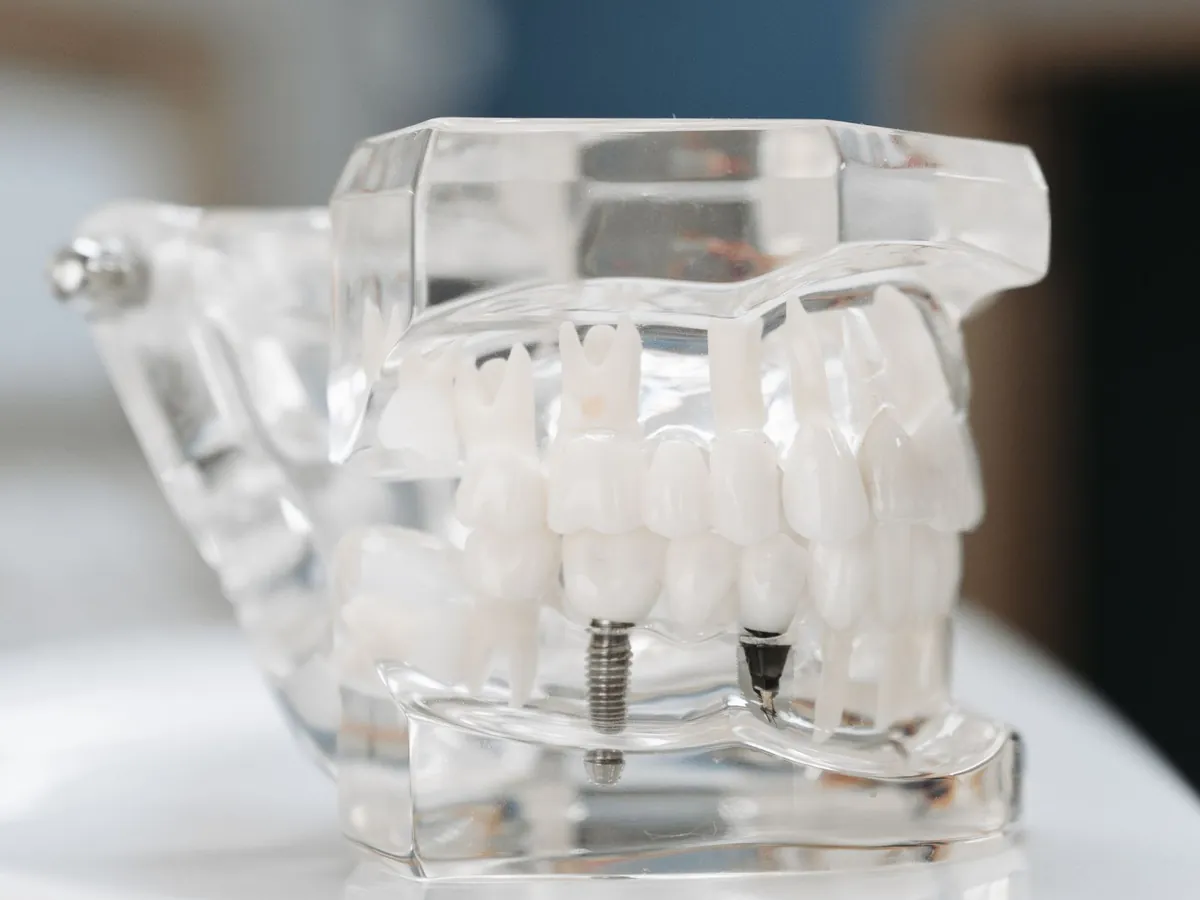
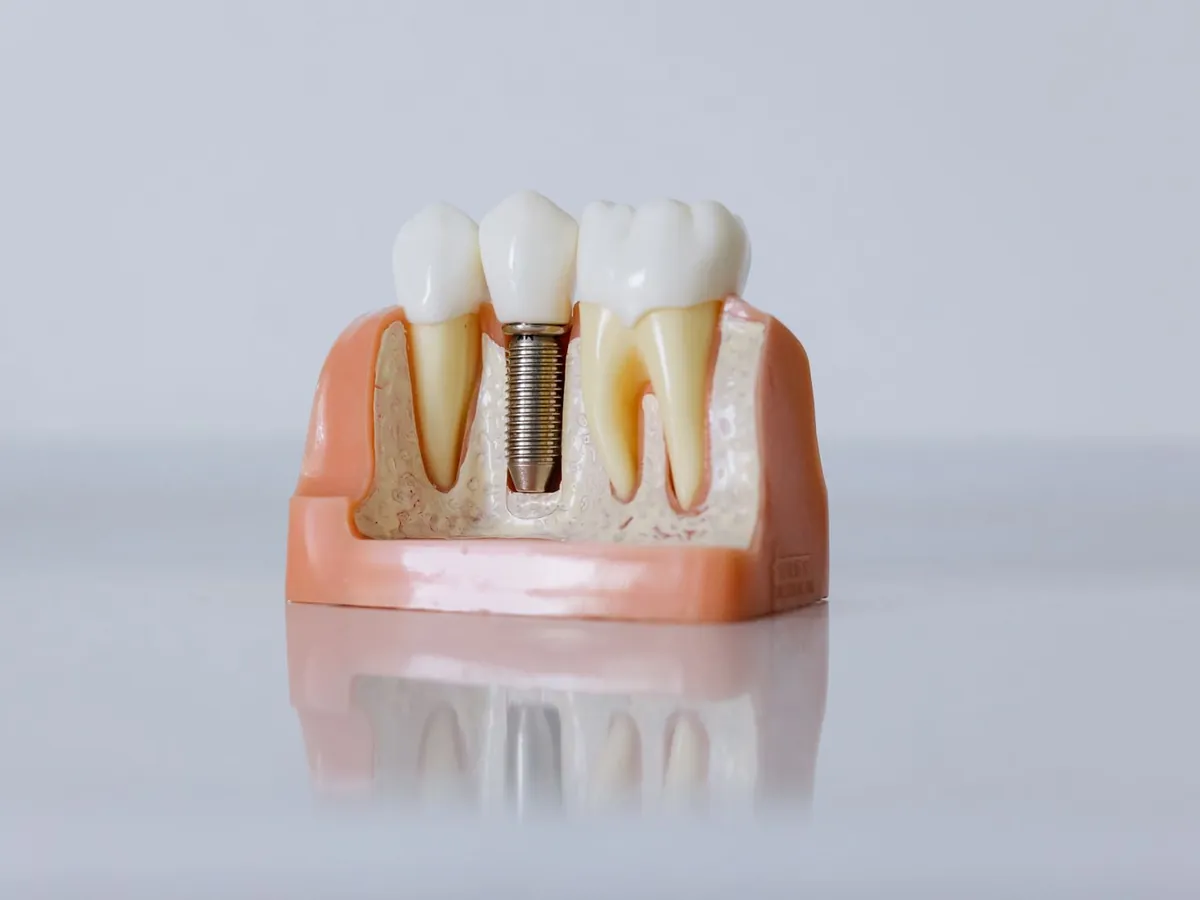
A dental implant is a small titanium screw placed in the jawbone to replace the root of a missing tooth. Once it has bonded with the bone, it holds a crown, bridge or denture. Implants suit adults in good health with healthy gums and enough bone; healing usually takes around four months before the final teeth are fitted.
Published by Vita Smile Dental Clinic Sources (6)
Key takeaways
- An implant replaces the root of a missing tooth and can hold a crown, a bridge or a denture [1].
- Across 18 prospective studies, an estimated 96.4% of implants were still in place after 10 years [4].
- The implant usually heals for around four months before the new tooth is fitted; a bone graft can add 4 to 6 months [1][2].
- You need healthy gums, enough jawbone and good general health; gum disease is treated first [3][6].
- Daily cleaning and check-ups help prevent peri-implantitis, which can destroy the bone around an implant [1][6].
At a glance
- Implant material
- Titanium
- Replaces
- One, several or all teeth
- Anaesthesia
- Usually local
- Healing before new teeth
- Around 4 months
- Back to work
- Usually the next day
- Implants at 10 years
- 96.4% still in place
- First visit in Istanbul
- 3–7 days, without a bone graft
- Surgery time
- 1–3 hours
- Implant systems at Vita Smile
- Ires, Medigma
Clinically reviewed by
Oral and Maxillofacial Surgeon · Implant & Surgical Dentistry Specialist
The basics
What is a dental implant?
A dental implant is an artificial tooth root: a small titanium screw placed in the jawbone. After it has healed and fused with the bone, it can support a crown, a bridge or a denture, fixed in place [1].
An implant tooth has three parts:
- The implant: the titanium screw that takes the place of the root.
- The abutment: a small connector between the implant and the new tooth.
- The new tooth: a crown, bridge or denture made to match your teeth.
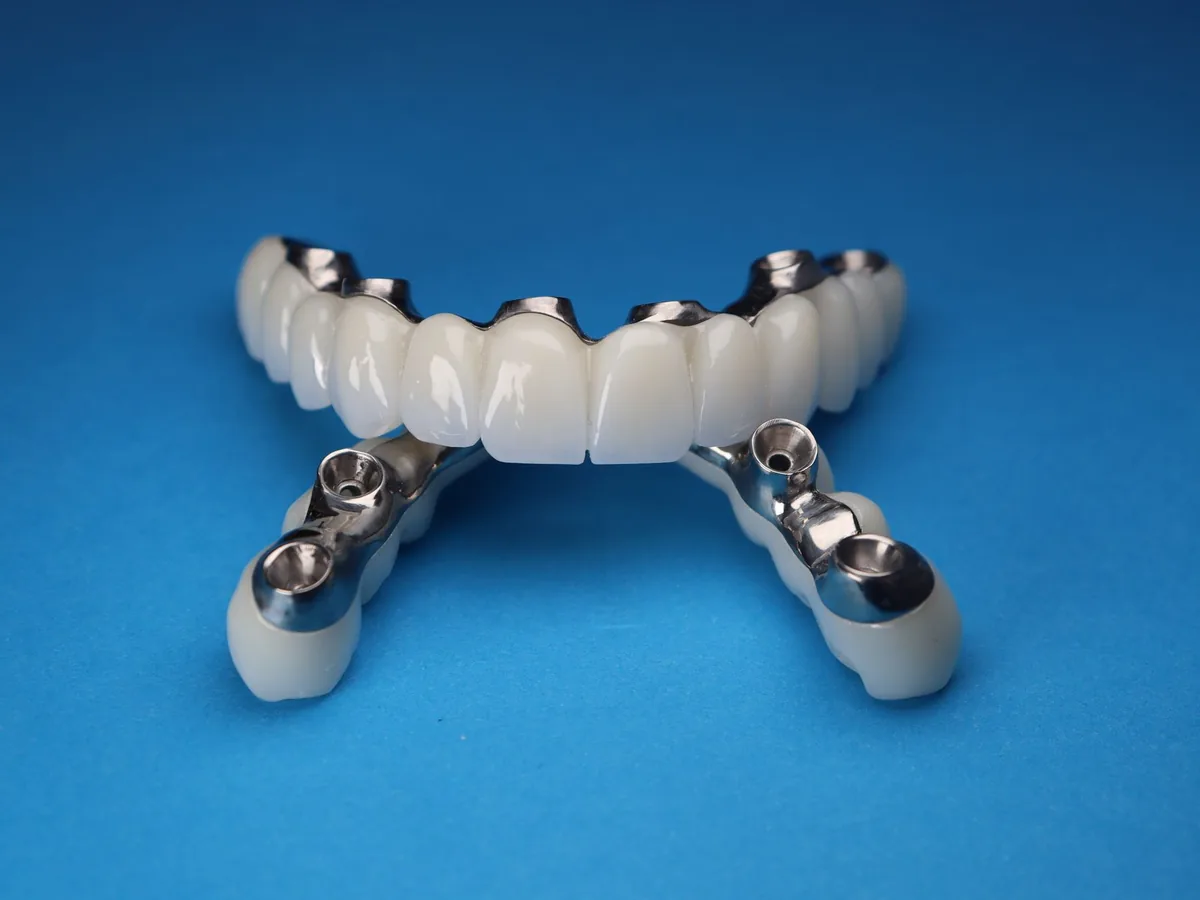
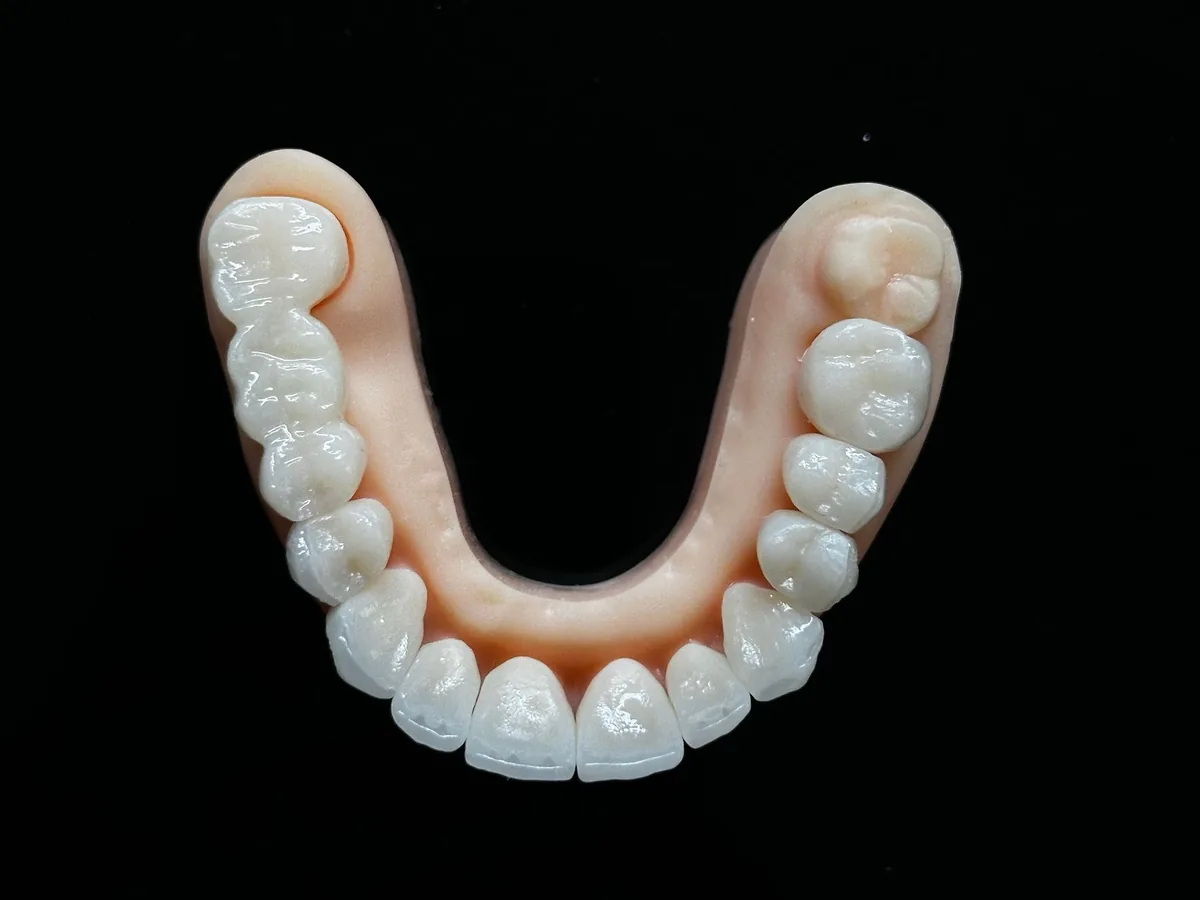
Implants can replace one tooth, several teeth or a full set [1][3]. A single implant with a crown leaves the neighbouring teeth untouched. Where several teeth in a row are missing, a few implants can carry a bridge, so not every missing tooth needs its own implant.
When a whole jaw needs new teeth, a fixed arch can sit on four or six implants. These plans have their own pages: All-on-4, All-on-6 and full-mouth dental implants.
Is it right for you?
Who are dental implants for?
Implants suit adults missing one or more teeth who are in good general and oral health, with enough jawbone and healthy gums free of gum disease [3]. Smoking raises the risk that an implant does not bond with the bone [2], and some medical conditions change the plan [2].
Implants are a good fit if
Ask us about alternatives if
- You have active gum disease: it is treated first, as past gum disease raises the risk of problems around implants [6]
- You smoke: stopping before treatment and for good lowers the risk of some complications [2]
- You have a long-term condition or take regular medicines: tell your dentist, as the plan may change [2]
- The teeth beside the gap already need crowns: a dental bridge may make more sense
- Most teeth in one jaw are missing or failing: ask about a full-arch plan
Step by step
How dental implant treatment works
Treatment happens in stages, with a healing period between placing the implant and fitting the new tooth [1][2].
-
Before you travel
Online consultation
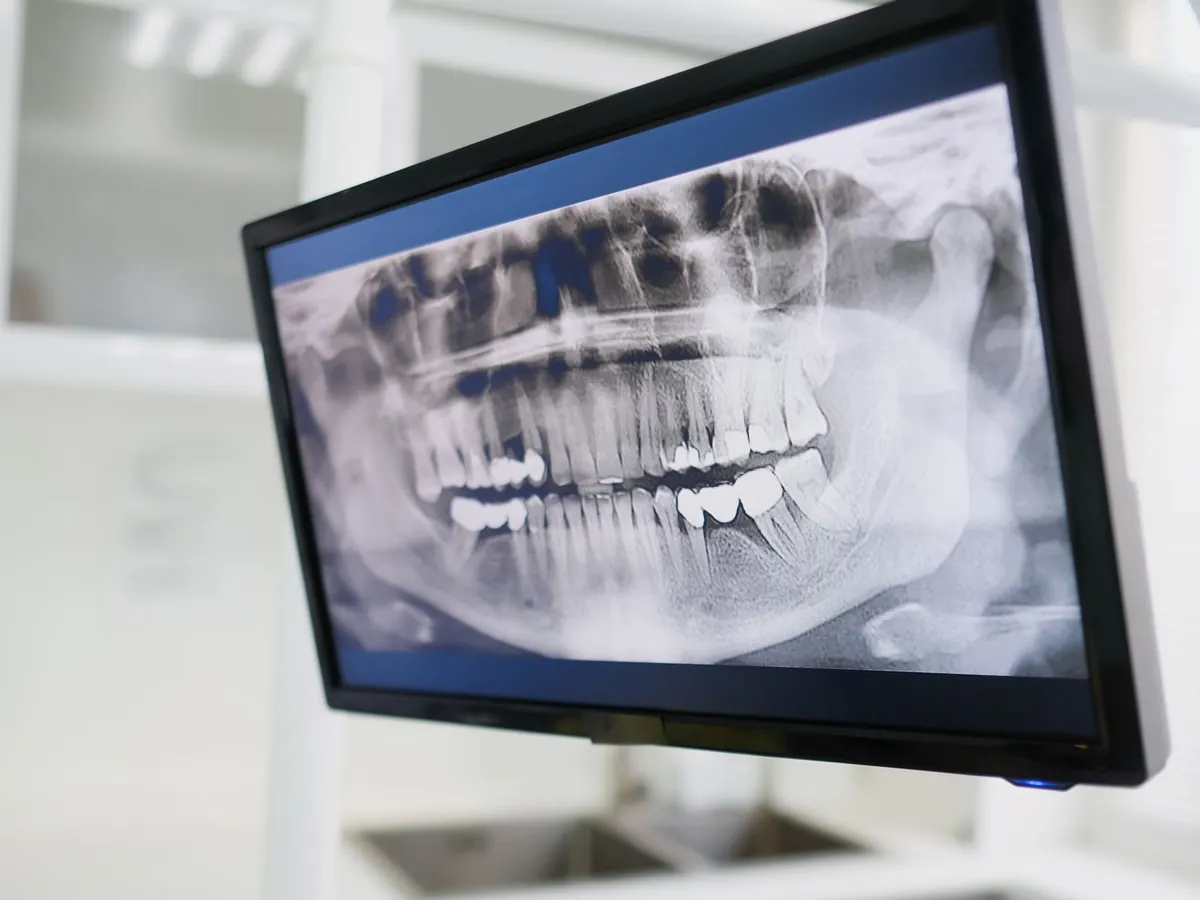
Send a recent X-ray or photos of your teeth. A dentist replies with a personalised plan and a written quote.
-
Stage 1
Examination and planning
Your dentist examines your mouth and checks your jawbone on X-rays. Your plan should explain each stage and its cost [1].
Timelines depend on your bone, your health and your plan; your dentist confirms them after examining you.
Find out if implants are right for you
Send a recent X-ray or a few photos of your teeth. A dentist reviews them and replies with a personalised plan and a written quote, free of charge.
Compare your options
Dental implant vs bridge vs denture
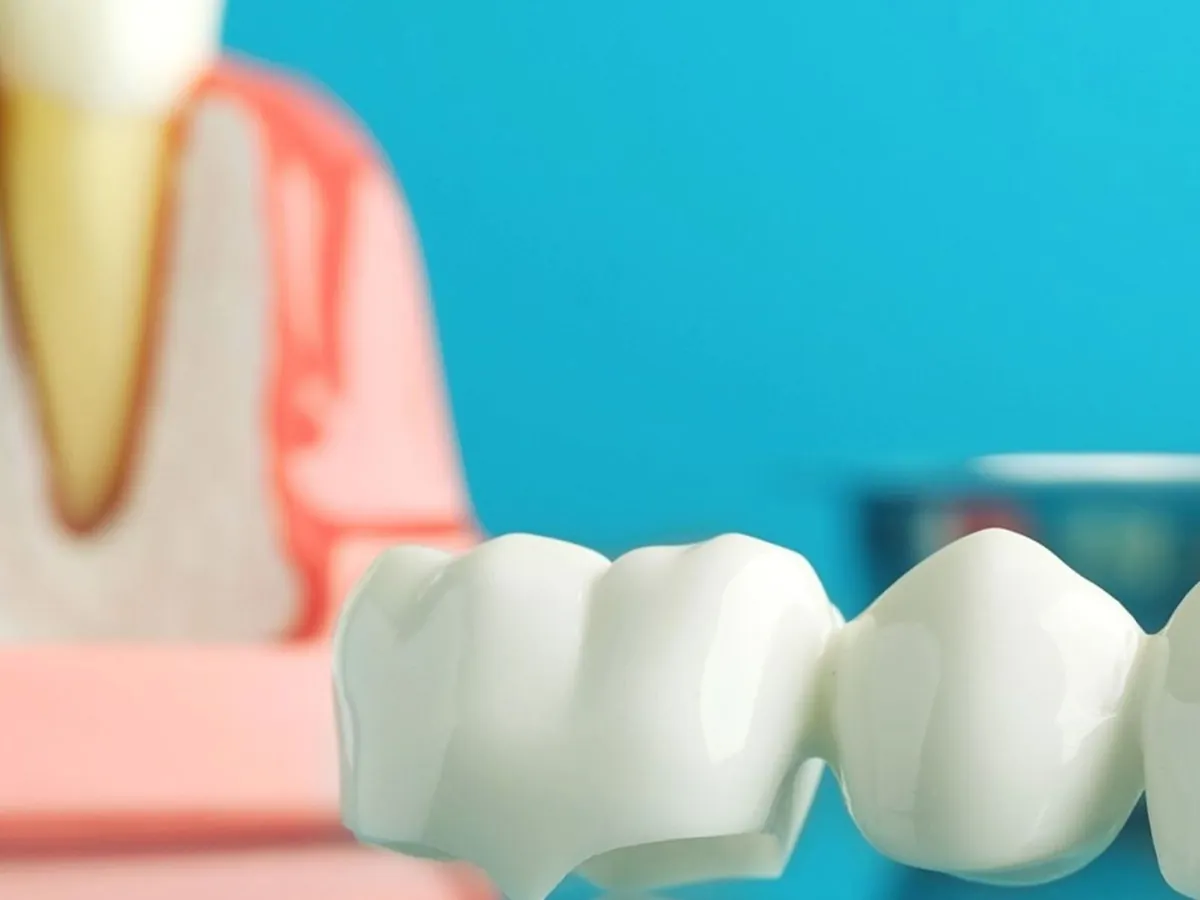
All three replace missing teeth. An implant stands on its own in the jawbone, so the teeth beside the gap are left alone; a bridge is held by crowns on the neighbouring teeth; a denture is removable [1][2]. Your dentist explains which suits your teeth, your bone and your health.
| Dental implant | Bridge | Removable denture | |
|---|---|---|---|
| Fixed or removable | Fixed | Fixed | Removable |
| Teeth beside the gap | Left untouched | Usually crowned to hold the bridge | A partial denture may clip onto them |
| Surgery | Yes, usually under local anaesthetic | No | No |
| Healing into the bone | Yes, usually around 4 months | No | No |
| What it needs | Enough jawbone and healthy gums | Healthy teeth either side of the gap | Healthy gums to rest on |
| Cleaning | Like natural teeth, plus interdental brushes | Daily, including under the bridge | Taken out to clean |
Implant facts: Oral Health Foundation [1] and Guy's and St Thomas' NHS [2]. In a review of 46 studies, 95.2% of implants carrying a single crown were still in place after 10 years [5].
Before you decide
Risks and complications of dental implants
Implants have strong long-term evidence: across 18 prospective studies, an estimated 96.4% were still in place after 10 years, or 93.2% allowing for patients who left the studies [4]. Patients aged 65 and over had a higher risk of losing an implant [4]. It is still surgery, and smaller problems are common enough to plan for [5]:
- Implant not bondingThere is a small risk that the implant does not join with the bone and cannot be used; it is higher in smokers [2].
- After surgerySoreness, swelling, bleeding or bruising. Discomfort is usually managed with painkillers and should last no more than a week [2].
- Peri-implantitisPlaque can inflame the gum and destroy the bone around an implant, which can loosen it [1][6]. Past gum disease, poor plaque control and missed check-ups raise the risk [6].
- Loose or worn partsParts can loosen or wear with time and need prompt repair [2]. Screws came loose on 8.8% of single implant crowns within 5 years [5].
- The crown may need replacing soonerAt 10 years, 95.2% of implants with a single crown were still in place, against 89.4% of the crowns themselves [5].
- Bone graftsA graft can cause extra swelling, bruising and pain [2].
Implants are not guaranteed for life, but with good care they can last a long time [1].
From our surgeon
“Placing the implant is the shorter part of the work; the planning behind it takes longer. On your X-rays I measure the bone and find the nerves and sinuses, and I make sure your gums are healthy before anything is placed. If a bone graft is needed, or a bridge would serve you better, you hear it at the planning stage, not on the day. After that, the most important part is yours: daily cleaning around the implant and regular check-ups.”
Treatment abroad
Getting dental implants in Turkey: what to check first
An implant heals for months before the final tooth is fitted [1], and a dentist at home will look after it for years [2]. That makes these questions worth asking before you book:
- Who will place my implant, and how will the surgery be planned?
- Which implant system is used, and can its parts be found where I live?
- Will I get X-rays and a written plan with each stage and its cost?
- How many trips will I need, and how long is each stay?
- What aftercare is included once I am home?
At Vita Smile, implant treatment is planned by our oral and maxillofacial surgeon, Dr. Saffet Ekinci, and we use the Ires and Medigma implant systems. The clinic is licensed by the Turkish Ministry of Health and holds the health tourism authorisation certificate ST-5176. For your own plan, start with a free online consultation.
Questions
Dental implants: frequently asked questions
Can't find your answer? Our coordinators are happy to help on WhatsApp.
Ask on WhatsAppHow much would a full set of dental implants cost in Turkey?
It depends on how many implants you need, the implant system and what goes on top. A full set is often a fixed arch on four to six implants per jaw; see full-mouth dental implants. After a free online assessment you receive a written, itemised quote. See dental implant prices and packages.
Is it worth getting dental implants in Turkey?
For many patients, yes, as long as you are examined with X-rays before surgery at a licensed clinic and you understand the stages and the healing time between them [1][2]. Ask who will treat you, which implant system is used and how follow-up works, since a dentist at home will care for the implant in the long term [2].
Which country is best for dental implants?
No single country stands out on its own. Implants are well studied: across 18 prospective studies, an estimated 96.4% were still in place after 10 years [4]. What matters is the surgeon, the planning, your health and how well the implant is cared for afterwards [6].
Where is the best place in Turkey to get dental implants?
Look for a clinic licensed by the Turkish Ministry of Health, a named surgeon, X-rays and a written plan before surgery [1], and clear aftercare at home [2]. Vita Smile is a licensed dental clinic in Istanbul; you can start with a free online consultation.
How long do you have to stay in Turkey for dental implants?
It depends on your plan. An implant usually needs around four months to bond with the bone before the final teeth are fitted [1], so treatment abroad often means two trips: one for the implants, one for the teeth. A bone graft can add 4 to 6 months [2]. Your written plan states the number of trips and the length of each stay.
Do dental implants hurt?
The implant is usually placed under local anaesthetic, so you should not feel pain during the procedure [2]. Afterwards, soreness, swelling or bruising are common and should settle within about a week with regular painkillers [2]. You can usually return to work the next day [2].
How long do dental implants last?
With good care, implants can last a long time, though there is no lifetime promise [1]. Across 18 prospective studies, an estimated 96.4% were still in place after 10 years [4]. The crown on top may need replacing sooner: 89.4% of single implant crowns were still in place at 10 years [5].
What our patients say
Read what our patients say about us on Google and Trustpilot.
Free consultation
Free initial consultation
Leave your details and a treatment coordinator will contact you to arrange your free online consultation.
- We get in touchWe reply to you on WhatsApp.
- You share photos or an X-rayA dentist reviews them before your consultation.
- You receive your plan & quoteItemised and free, with no obligation to book.
Sources
Studies and patient guides this page is based on.
- [1] Implants — Oral Health Foundation · dentalhealth.org
- [2] Dental implants: overview, having a dental implant and after having a dental implant — Guy's and St Thomas' NHS Foundation Trust · guysandstthomas.nhs.uk
- [3] Dental Implant Procedures — American Academy of Periodontology · perio.org
- [4] Howe MS, Keys W, Richards D. Long-Term (10-Year) Dental Implant Survival: A Systematic Review and Sensitivity Meta-Analysis. Journal of Dentistry, 2019 · doi.org
- [5] Jung RE, Zembic A, Pjetursson BE, Zwahlen M, Thoma DS. Systematic Review of the Survival Rate and the Incidence of Biological, Technical, and Aesthetic Complications of Single Crowns on Implants Reported in Longitudinal Studies with a Mean Follow-Up of 5 Years. Clinical Oral Implants Research, 2012 · doi.org
- [6] Schwarz F, Derks J, Monje A, Wang HL. Peri-Implantitis. Journal of Clinical Periodontology, 2018 (2017 World Workshop on the Classification of Periodontal and Peri-Implant Diseases) · doi.org