Patient guide
How Long Do Dental Implants Last?
Most dental implants last well beyond ten years. A 2019 review of 18 studies estimated that 96.4% were still in place after 10 years. The crown on top usually needs replacing sooner than the implant itself. Smoking, gum disease around the implant, teeth grinding and poor cleaning are the main things that shorten an implant's life.
Published by Vita Smile Dental Clinic Sources (11)
Key takeaways
- An estimated 96.4% of implants were still in place after 10 years, across 18 prospective studies [4].
- Implant crowns wear faster: 89.4% of single implant crowns were still in place at 10 years [5].
- Implants in smokers failed about twice as often as in non-smokers: 6.35% against 3.18% [8].
- Poor plaque control, past gum disease and missed check-ups raise the risk of peri-implantitis [6].

Clinically reviewed by
Oral and Maxillofacial Surgeon · Implant & Surgical Dentistry Specialist
The evidence
What the research says about implant lifespan
The best evidence comes from systematic reviews, which pool many clinical studies. A 2019 review combined 18 prospective studies of modern implants and estimated that 96.4% were still in place after 10 years [4]. When the authors allowed for patients who dropped out of the studies, the estimate was 93.2% [4]. Patients aged 65 and over had a higher risk of losing an implant [4].
A 2012 review of 46 studies looked at implants carrying a single crown. It estimated that 97.2% of the implants were still in place after 5 years and 95.2% after 10 years [5].
These figures describe groups of patients. They are not a promise for one mouth. Implants are not guaranteed for life, but with good care they can last a long time [1].
Implant and crown
Why the crown may need replacing before the implant
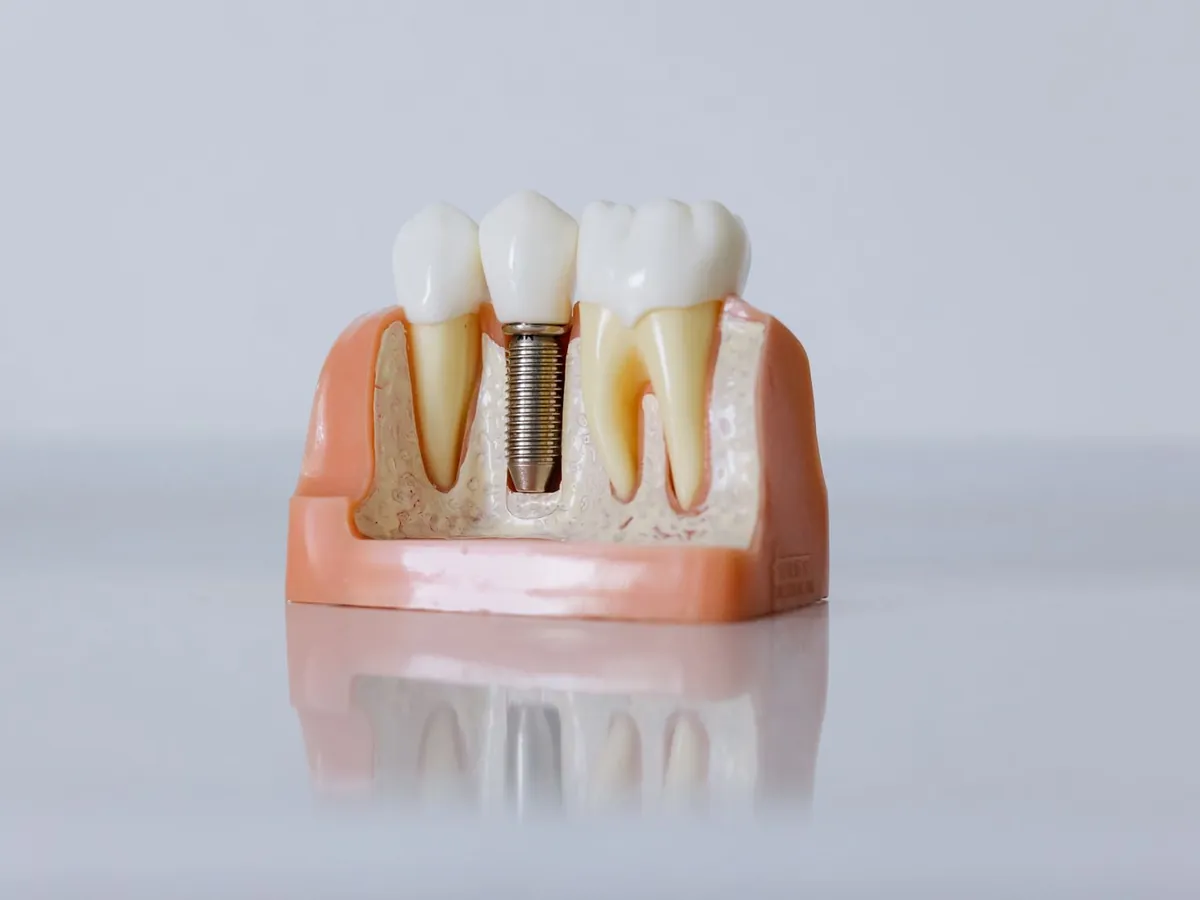
An implant tooth has two main parts: the titanium implant in the bone, and the crown or bridge fixed on top. They do not last the same length of time.
In the 2012 review, 95.2% of implants with a single crown were still in place after 10 years, but only 89.4% of the crowns themselves [5]. Small technical problems were common within 5 years [5]:
- Loose screws8.8% Of single implant crowns.
- Crowns coming loose4.1%.
- Chipping of the crown's outer layer3.5%.
Parts of an implant can loosen or wear out with time, so they need checking and prompt repair [2]. A worn or chipped crown can usually be replaced without removing the implant underneath.
Risk factors
What makes dental implants fail early?
Research points to a few factors that matter most:
- SmokingA 2015 review of 107 studies found that 6.35% of implants failed in smokers, against 3.18% in non-smokers [8]. A larger 2021 review of 292 publications found the odds of failure were about 2.4 times higher in smokers [9]. Stopping smoking, and staying stopped, is strongly recommended [2].
- Peri-implantitisPlaque can inflame the gum and destroy the bone around an implant, which can loosen it [1][6]. It can start early and tends to speed up once it begins [6].
- Past gum diseaseA history of periodontitis is a risk factor for peri-implantitis, so gum disease is treated before implants are placed [3][6]. See our gum treatment page.
- Poor cleaning and missed check-upsPoor plaque control and a lack of regular maintenance raise the risk of peri-implantitis [6].
- Teeth grindingIn one clinic's records of 3,549 implants, 13.0% failed in patients who grind their teeth, against 4.6% in those who did not [11]. This is a single study, so the figure is a guide, not a rule.
- DiabetesA 2014 review of 14 publications found no significant difference in implant failure between patients with and without diabetes, though there was slightly more bone loss in patients with diabetes [10]. Tell your dentist about any health condition and medicines you take [2].
- AgeIn the 2019 review, patients aged 65 and over had a higher risk of losing an implant [4].
The amount and quality of bone also matter. Where there is too little bone in the upper back jaw, a sinus lift can make room for new bone before the implant is placed.
Peri-implantitis
The most common long-term threat
Gum problems around implants are common. In a 2015 review of 11 studies, the average prevalence of peri-implant mucositis, an inflammation of the gum around the implant, was estimated at 43% [7]. The average prevalence of peri-implantitis, which also involves bone loss, was estimated at 22% [7]. Figures varied widely between studies, from 1% to 47% for peri-implantitis, partly because studies defined it differently [7].
Signs to watch for are red, sore or swollen gums, bleeding around the implant, infection, or an implant that feels loose [1]. See your dentist early if you notice any of them.
From our surgeon
“An implant's lifespan is decided twice. The first time is before surgery, when I check the bone, the gums and the bite and treat any gum disease. The second time is every day afterwards, and that part is yours: cleaning around the implant, not smoking and keeping your check-ups, so that small problems are caught while they are still small.”
Aftercare
How to make your dental implants last
If plaque builds up around an implant, it can cause peri-implantitis [1]. These habits protect it:
- Brush twice a dayBrush for two minutes before bed and at one other time in the day [1].
- Clean between your teethClean around the implant every day with interdental brushes [1]. Brushing and flossing are still needed [3].
- Keep your check-upsRegular dental and hygiene visits check that the implant stays healthy [1][3]. A lack of regular maintenance is linked to peri-implantitis [6].
- Stop smokingSmoking raises the risk of implant failure [8][9].
- Tell your dentist if you grindGrinding was linked to more implant failures in one large clinic study [11]. Your dentist can advise on protection such as a night guard.
- Report loose parts earlyA loose crown or screw is easier to fix when it is seen quickly [2].
If you are planning dental implants at Vita Smile, your first visit in Istanbul usually takes 3 to 7 days when no bone graft is needed, and the implant surgery itself takes 1 to 3 hours. Your written quote is confirmed after your examination at the clinic.
Questions
Implant lifespan: frequently asked questions
Can't find your answer? Our coordinators are happy to help on WhatsApp.
Ask on WhatsAppDo dental implants last forever?
Implants are not guaranteed for life, but with good care they can last a long time [1]. Across 18 prospective studies, an estimated 96.4% were still in place after 10 years [4].
Can dental implants last 20 years?
Many can, but the strongest pooled evidence covers 10 years. The 2019 review estimated 96.4% survival at 10 years and did not give a 20-year estimate [4]. Daily cleaning, not smoking and regular check-ups give your implants the best chance.
Does the crown on an implant need replacing?
Sometimes. Crowns wear faster than the implant: in a review of 46 studies, 89.4% of single implant crowns were still in place after 10 years, against 95.2% of the implants [5]. A crown can usually be replaced without removing the implant.
Does smoking make implants fail?
It raises the risk. In a review of 107 studies, 6.35% of implants failed in smokers against 3.18% in non-smokers [8]. Stopping smoking before treatment and for good is strongly recommended [2].
Can I have implants if I have diabetes?
Often, yes. A 2014 review found no significant difference in implant failure between patients with and without diabetes, though bone loss around the implant was slightly greater with diabetes [10]. Tell your dentist about your health and medicines so the plan suits you [2].
What are the signs of a failing implant?
Red, sore or swollen gums, bleeding around the implant, infection, or an implant that feels loose [1]. See your dentist as soon as you notice any of these.
Planning implants? Start with a plan that lasts
Send a recent X-ray or a few photos of your teeth. A dentist reviews them and replies with a personalised plan and a written quote, free of charge. The quote is confirmed after your examination at the clinic.
Next steps
Related treatments
Dental Implants
Who implants suit, each stage of treatment and the risks.
Learn more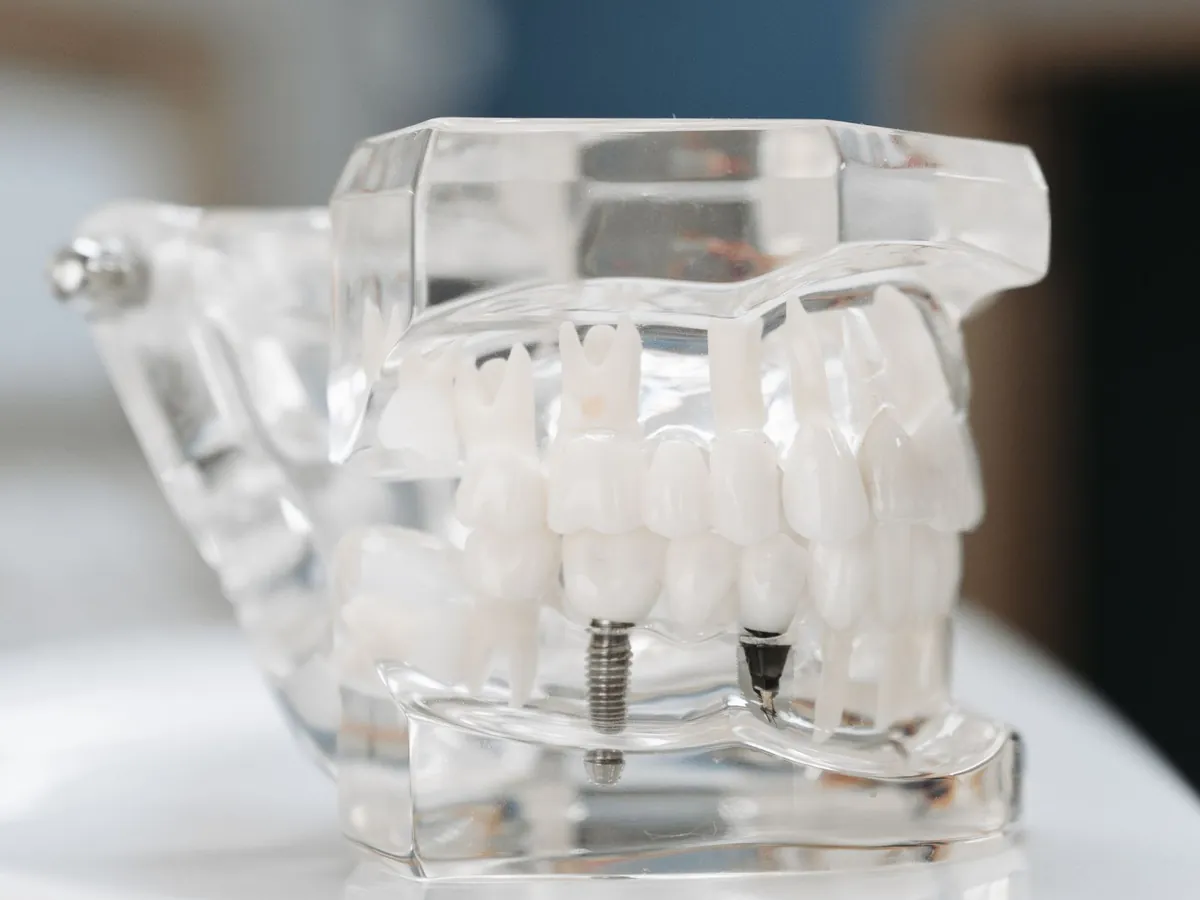
All-on-4 Dental Implants
A full arch of fixed teeth on four implants.
Learn more
Gum Disease Treatment (Periodontics)
Healthy gums first: treating gum disease before implants.
Learn more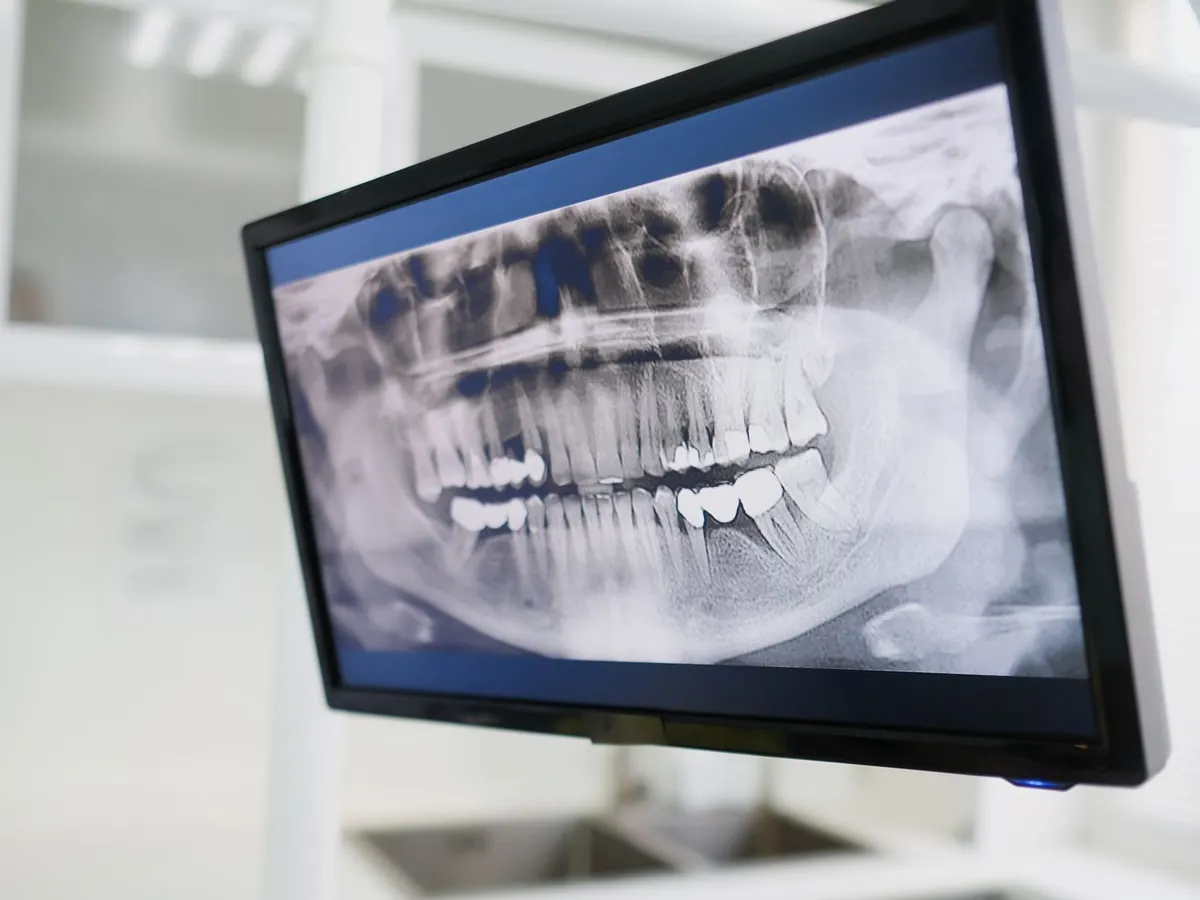
Sinus Lift
Making room for bone in the upper back jaw.
Learn moreSources
Studies and patient guides this page is based on.
- [1] Implants — Oral Health Foundation · dentalhealth.org
- [2] Dental implants: overview, having a dental implant and after having a dental implant — Guy's and St Thomas' NHS Foundation Trust · guysandstthomas.nhs.uk
- [3] Dental Implant Procedures — American Academy of Periodontology · perio.org
- [4] Howe MS, Keys W, Richards D. Long-Term (10-Year) Dental Implant Survival: A Systematic Review and Sensitivity Meta-Analysis. Journal of Dentistry, 2019 · doi.org
- [5] Jung RE, Zembic A, Pjetursson BE, Zwahlen M, Thoma DS. Systematic Review of the Survival Rate and the Incidence of Biological, Technical, and Aesthetic Complications of Single Crowns on Implants Reported in Longitudinal Studies with a Mean Follow-Up of 5 Years. Clinical Oral Implants Research, 2012 · doi.org
- [6] Schwarz F, Derks J, Monje A, Wang HL. Peri-Implantitis. Journal of Clinical Periodontology, 2018 (2017 World Workshop on the Classification of Periodontal and Peri-Implant Diseases) · doi.org
- [7] Derks J, Tomasi C. Peri-implant health and disease. A systematic review of current epidemiology. Journal of Clinical Periodontology, 2015 · doi.org
- [8] Chrcanovic BR, Albrektsson T, Wennerberg A. Smoking and dental implants: A systematic review and meta-analysis. Journal of Dentistry, 2015 · doi.org
- [9] Mustapha AD, Salame Z, Chrcanovic BR. Smoking and Dental Implants: A Systematic Review and Meta-Analysis. Medicina (Kaunas), 2021 · pmc.ncbi.nlm.nih.gov
- [10] Chrcanovic BR, Albrektsson T, Wennerberg A. Diabetes and oral implant failure: a systematic review. Journal of Dental Research, 2014 · doi.org
- [11] Chrcanovic BR, Kisch J, Albrektsson T, Wennerberg A. Bruxism and dental implant failures: a multilevel mixed effects parametric survival analysis approach. Journal of Oral Rehabilitation, 2016 · doi.org