Patient guide
Zirconia vs E-max Crowns: Strength, Looks and Lifespan
Neither material is better for every tooth. Zirconia is the strongest dental ceramic, so it is often chosen for back teeth; e-max (lithium disilicate) is more translucent, so it often suits front teeth. Both last well: in a 2026 review, 96.8% of monolithic zirconia and 98.5% of monolithic lithium disilicate crowns were still in place after five years.
Published by Vita Smile Dental Clinic Sources (6)
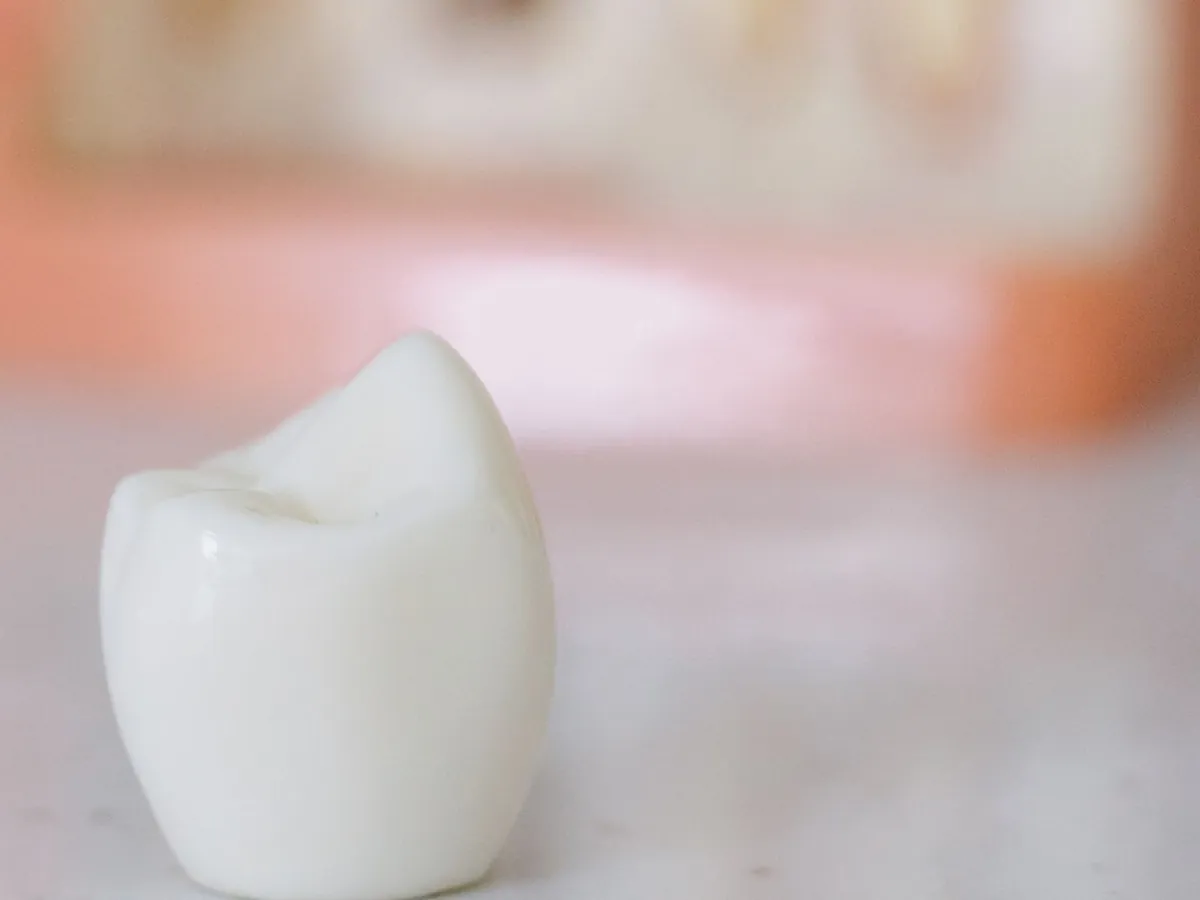
Key takeaways
- Zirconia is the most robust of the dental ceramics; lithium disilicate glass-ceramics such as e-max are more translucent but weaker [4].
- In a 2026 review of 64 studies, five-year survival was 96.8% for monolithic zirconia, 97.3% for layered zirconia, 98.5% for monolithic lithium disilicate and 95.7% for layered glass-ceramic crowns [3].
- Monolithic crowns, made in one piece, had significantly fewer chips and fractures than crowns with a porcelain layer [3].
- Both materials wore the opposing enamel measurably in short-term clinical studies; polished surfaces did better than glazed ones [5].

Clinically reviewed by
Prosthodontics & Aesthetic Dentistry · Restorative Dental Care
The basics
What are zirconia and e-max crowns?
A crown is a cap made to measure for one tooth; it covers the tooth and restores its shape, strength and appearance [2]. It can protect a weak tooth, restore a broken one or cover a dental implant [1]. Both zirconia and e-max are ceramics, so neither crown contains metal [2]. Our dental crowns page explains when a tooth needs a crown at all; this guide compares the two most common metal-free materials.
- Zirconia (zirconium oxide) is a polycrystalline ceramic and the most robust of the restorative ceramics [4]. Our zirconium crowns page covers it in depth.
- E-max is a brand of lithium disilicate, a glass-ceramic. It is more translucent than classic zirconia, but weaker [4]. At Vita Smile, e-max restorations use genuine IPS e.max by Ivoclar.
Both can be made in two ways. A monolithic crown is one solid piece of the material. A layered (veneered) crown has a core covered with porcelain for extra depth of colour, but two-layer crowns are vulnerable to chipping [4].
Strength and lifespan
Which is stronger, and which lasts longer?
Zirconia is the stronger material [4]. In the mouth, though, both perform well. A 2026 systematic review pooled 64 clinical studies of single crowns on natural teeth and estimated five-year survival for each material [3]:
- Monolithic lithium disilicate (e-max type): 98.5% [3]
- Layered zirconia: 97.3% [3]
- Monolithic zirconia: 96.8% [3]
- Layered glass-ceramic (leucite or lithium disilicate): 95.7% [3]
- Metal-ceramic, for comparison: 97.1% [3]
The review found the survival of layered glass-ceramic crowns significantly lower than that of monolithic lithium disilicate crowns [3]. Monolithic crowns, whatever the material, had significantly fewer chips and fractures than layered ones [3].
Most studies report five-year results. Longer-term data on monolithic zirconia are still limited [6], so these figures describe groups of patients over five years, not a promise for one tooth.
Looks
Translucency: which looks more natural?
Natural enamel lets some light through. Lithium disilicate glass-ceramics are more translucent than classic zirconia, which has a more opaque look [4]. That is why e-max is often preferred where a crown sits in the smile.
Zirconia has closed part of the gap. Newer, more translucent zirconias look closer to glass-ceramics, but the extra translucency comes at a cost: they are less strong and less tough than classic zirconia [4]. Layering porcelain over a zirconia core is another way to improve the look, at the price of a layer that can chip [3][4].
On front teeth the neighbouring teeth set the standard, so the shade and translucency are matched to them, whichever material is chosen.
Side by side
Zirconia vs e-max crowns at a glance
Both are metal-free ceramics with strong five-year results [3]. The differences are strength, translucency, chipping and wear.
| Zirconia | Lithium disilicate (e-max) | |
|---|---|---|
| Material | Zirconium oxide ceramic | Glass-ceramic |
| Strength | The most robust of the dental ceramics | Weaker than zirconia |
| Appearance | More opaque; translucent grades look more natural but are weaker | More translucent and lifelike |
| Often chosen for | Back teeth, where strength matters most | Front teeth, where appearance matters most |
| Survival at 5 years | 96.8% monolithic, 97.3% layered | 98.5% monolithic, 95.7% layered |
| Chipping | Fewer chips in monolithic crowns | Fewer chips in monolithic crowns |
| Wear on opposing teeth | Measurable enamel wear; polishing helps | Measurable enamel wear; polishing helps |
Survival and chipping: a 2026 systematic review of 64 clinical studies [3]. Strength and appearance: [4]. Wear: a 2026 review of nine clinical studies with 6 to 24 months of follow-up [5].
Front or back
Which material suits which tooth?
The choice is made tooth by tooth, not once for the whole mouth.
- Back teethZirconia is often chosen, because it is the strongest option [4]. Monolithic zirconia avoids a porcelain layer that could chip [3].
- Front teethE-max, layered zirconia or a translucent zirconia may blend in better [4]. In the 2026 review, zirconia crowns performed similarly on front and back teeth [3], so zirconia is not ruled out at the front.
- Thin or worn teethBecause zirconia is stronger, a zirconia crown does not have to be as thick, which means less tooth needs to be removed [4]. Any crown still needs the tooth to be shaped, and that cannot be undone [2].
- Several or all teethSee full mouth zirconia crowns or full mouth porcelain crowns.
If only the look of healthy front teeth bothers you, a crown may not be needed at all: e-max veneers cover the front surface only.
Before you decide
Chipping, wear and teeth grinding
Every crown has trade-offs. These are the ones that differ between the two materials:
- ChippingThe most common technical problem with zirconia restorations was chipping of the porcelain layer [6]. Monolithic crowns of either material chip significantly less [3].
- Wear on opposing teethA 2026 review of nine clinical studies found that monolithic zirconia and lithium disilicate crowns both caused measurable wear of the opposing enamel, while metal-ceramic did not cause significant wear; follow-up was only 6 to 24 months [5]. Mechanically polished surfaces did better than glazed ones, because glaze can wear away over time [5].
- Teeth grinding (bruxism)People who grind were rarely included in the studies, and the long-term effect of very hard zirconia on the chewing system is still unclear [6]. If you grind or clench, tell your dentist, so a night guard can be planned with the crown.
- The tooth underneathIt can still decay at the crown edge, so brushing and cleaning between the teeth stay essential [2][6].
From our dentist
“Which material is better has no answer until I know the tooth. Four things usually decide it: where it sits, how much of it is left, how the bite meets it and how much it shows when you smile. A back tooth that takes heavy chewing and a front tooth that catches the light often end up in different materials. If you grind your teeth, we plan protection for the crown before it is made.”
At Vita Smile
How crowns are planned at our clinic
Vita Smile is a dental clinic in Istanbul, licensed by the Turkish Ministry of Health and holding a health tourism authorisation certificate. Your dentist examines the tooth, gums and bite before recommending zirconia or e-max for each tooth, and your written quote is confirmed after that examination.
A crown takes at least two visits, with one to two weeks of laboratory work in between. E-max restorations use genuine IPS e.max by Ivoclar, and zirconia crowns made at Vita Smile carry a written 10-year warranty against manufacturing and workmanship defects, provided you attend your check-ups. This guide is reviewed by Dr. Vildan Aktamış.
Questions
Zirconia vs e-max: frequently asked questions
Can't find your answer? Our coordinators are happy to help on WhatsApp.
Ask on WhatsAppIs e-max or zirconia better?
Neither is better for every tooth. Zirconia is stronger, which suits back teeth; e-max is more translucent, which suits front teeth where appearance matters most [4]. In a 2026 review both reached high five-year survival: 96.8% for monolithic zirconia and 98.5% for monolithic lithium disilicate [3].
Is zirconia stronger than e-max?
Yes. Zirconia is the most robust of the restorative ceramics, while lithium disilicate glass-ceramics such as e-max are weaker but more translucent [4].
Does e-max look more natural than zirconia?
Usually, yes. Lithium disilicate is more translucent, while classic zirconia looks more opaque [4]. Translucent zirconia and layered zirconia narrow the gap, but translucent grades are less strong [4].
Can zirconia crowns be used on front teeth?
Yes. In a 2026 review, zirconia crowns performed similarly on front and back teeth [3]. On front teeth, a layered or more translucent zirconia can give a more natural look [4].
Not sure which crown suits your tooth?
Send a few photos or a recent X-ray. A dentist reviews them and replies with a personalised plan and a written quote, free of charge. The quote is confirmed after your examination at the clinic.
Next steps
Related treatments
Zirconium Crowns
Zirconia as a crown material: types, strength and looks.
Learn more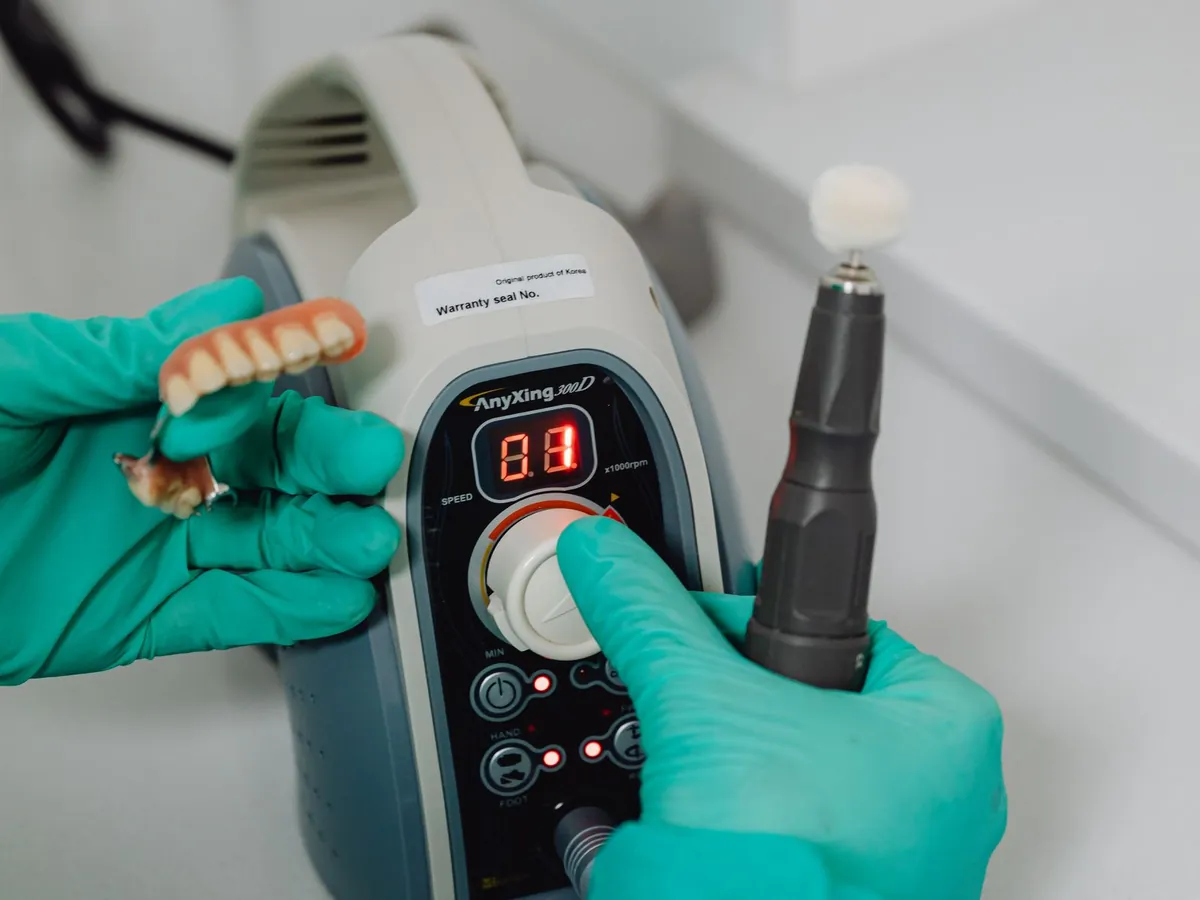
Dental Crowns
When a tooth needs a crown and how all the materials compare.
Learn more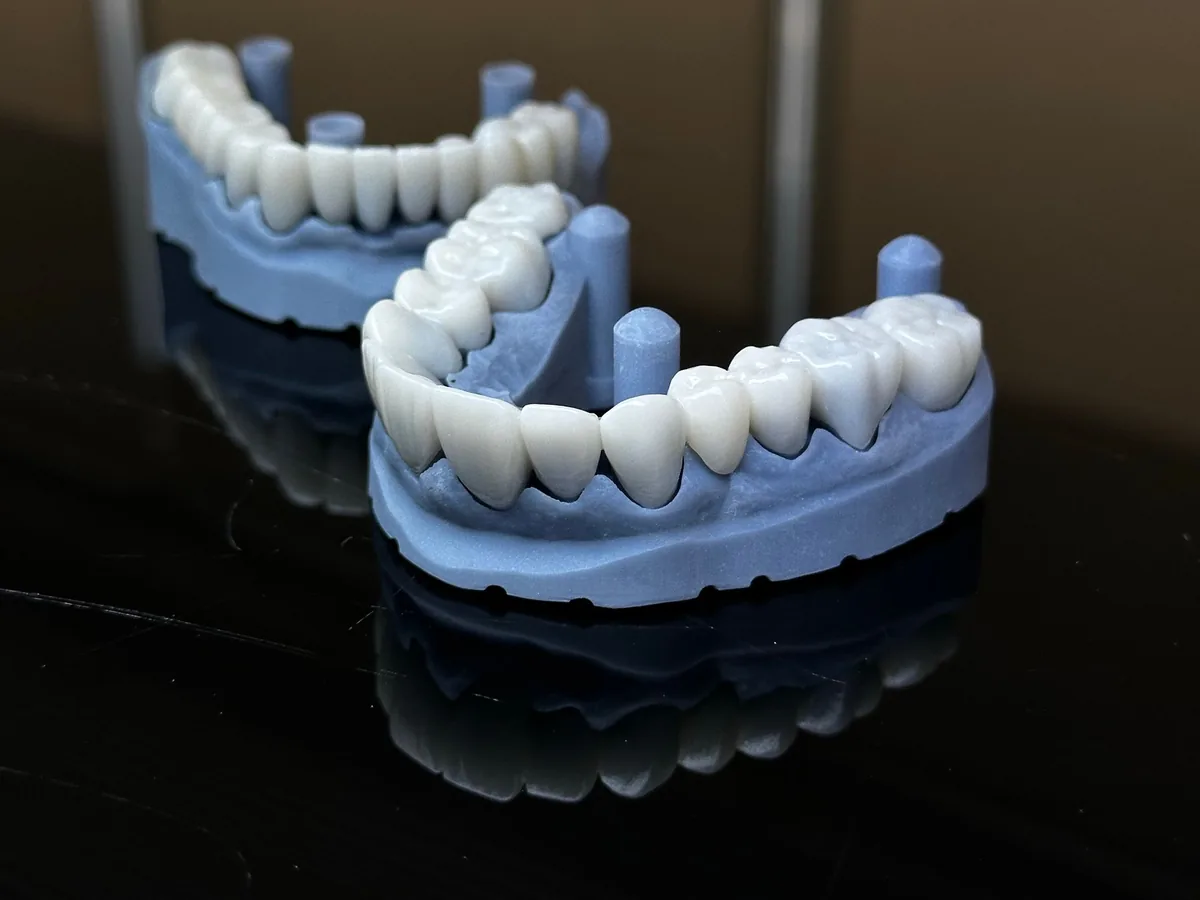
E-max Veneers
The glass-ceramic used where appearance matters most.
Learn more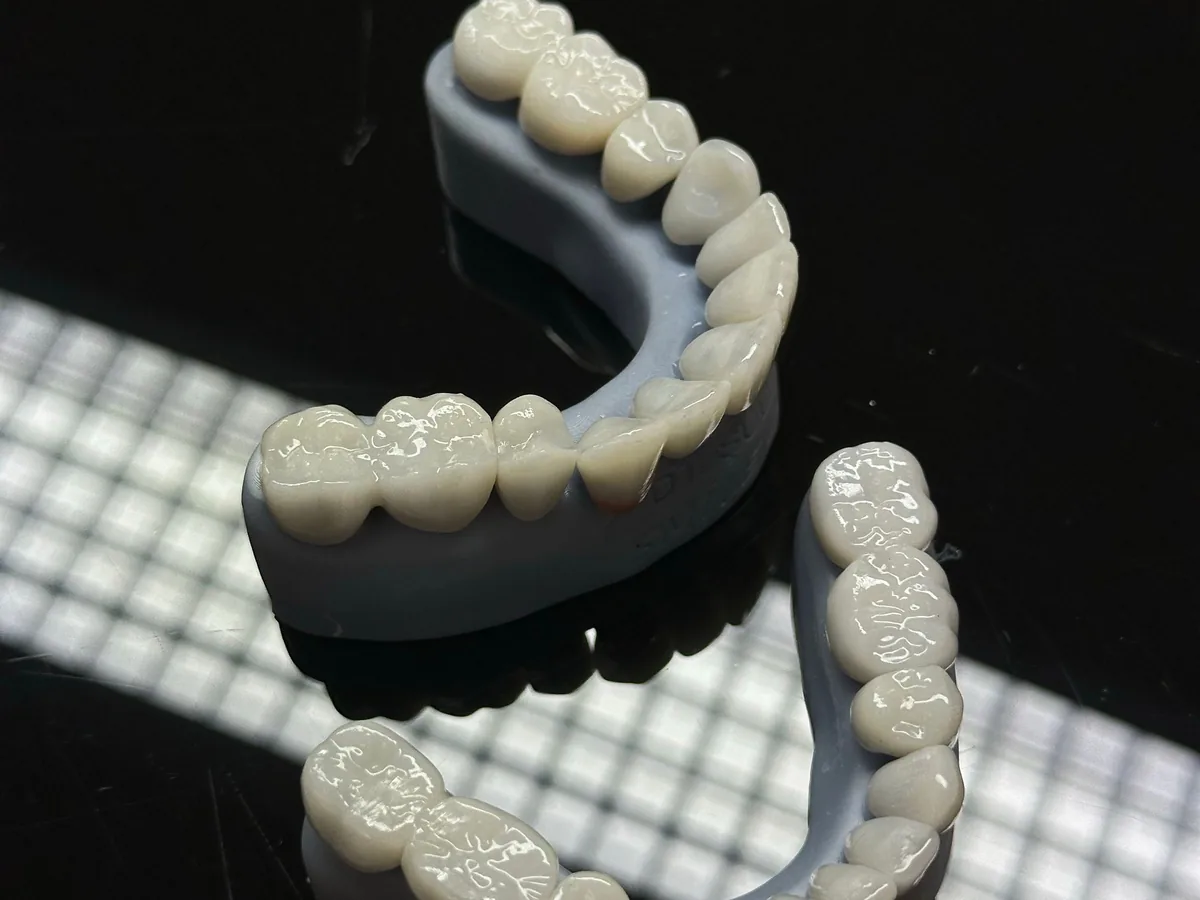
Full Mouth Zirconia Crowns
Planning zirconia crowns for several or all teeth.
Learn moreSources
Studies and patient guides this page is based on.
- [1] Crowns — MouthHealthy, American Dental Association · mouthhealthy.org
- [2] What are dental crowns? — Oral Health Foundation · dentalhealth.org
- [3] Pjetursson BE, Pitta J, Balet A, Bjarnadottir GR, Sailer I, Romandini P. A Systematic Review and Meta-analysis Evaluating the Survival, Failure, and Complication Rates of Metal-Ceramic, Veneered, and Monolithic All-Ceramic Tooth-Supported Single Crowns — Part 1. International Journal of Prosthodontics, 2026 · doi.org
- [4] Zhang Y, Lawn BR. Novel Zirconia Materials in Dentistry. Journal of Dental Research, 2018 · pmc.ncbi.nlm.nih.gov
- [5] Rosa CDDRD, Bento VAA, Duarte ND, et al. Comparative Wear of Opposing Natural Enamel by Different Ceramic Materials in Fixed Dental Protheses: A Systematic Review and Meta-Analysis. Dentistry Journal, 2026 · pmc.ncbi.nlm.nih.gov
- [6] Laumbacher H, Strasser T, Knüttel H, Rosentritt M. Long-term clinical performance and complications of zirconia-based tooth- and implant-supported fixed prosthodontic restorations: A summary of systematic reviews. Journal of Dentistry, 2021 · doi.org